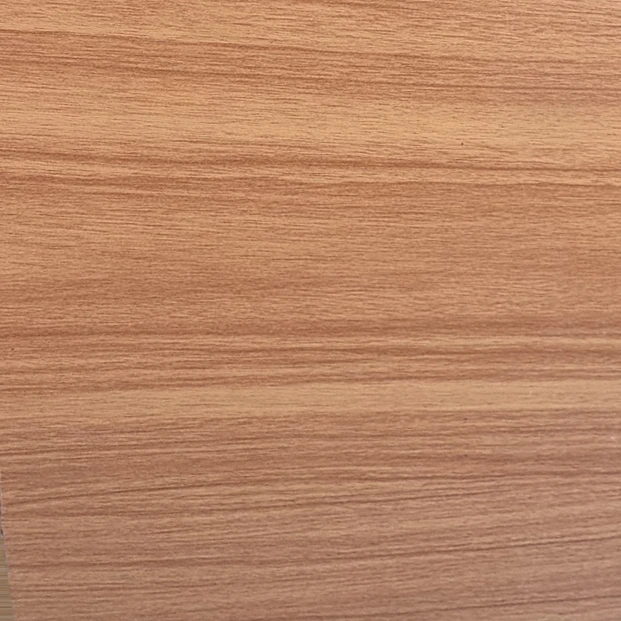
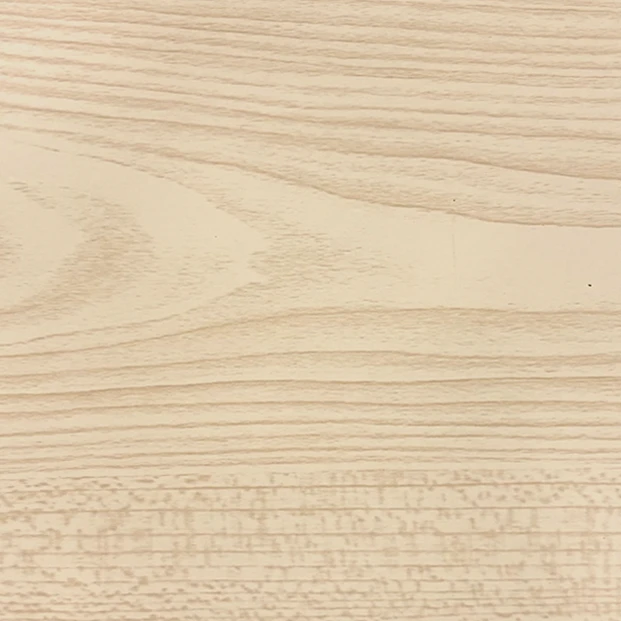
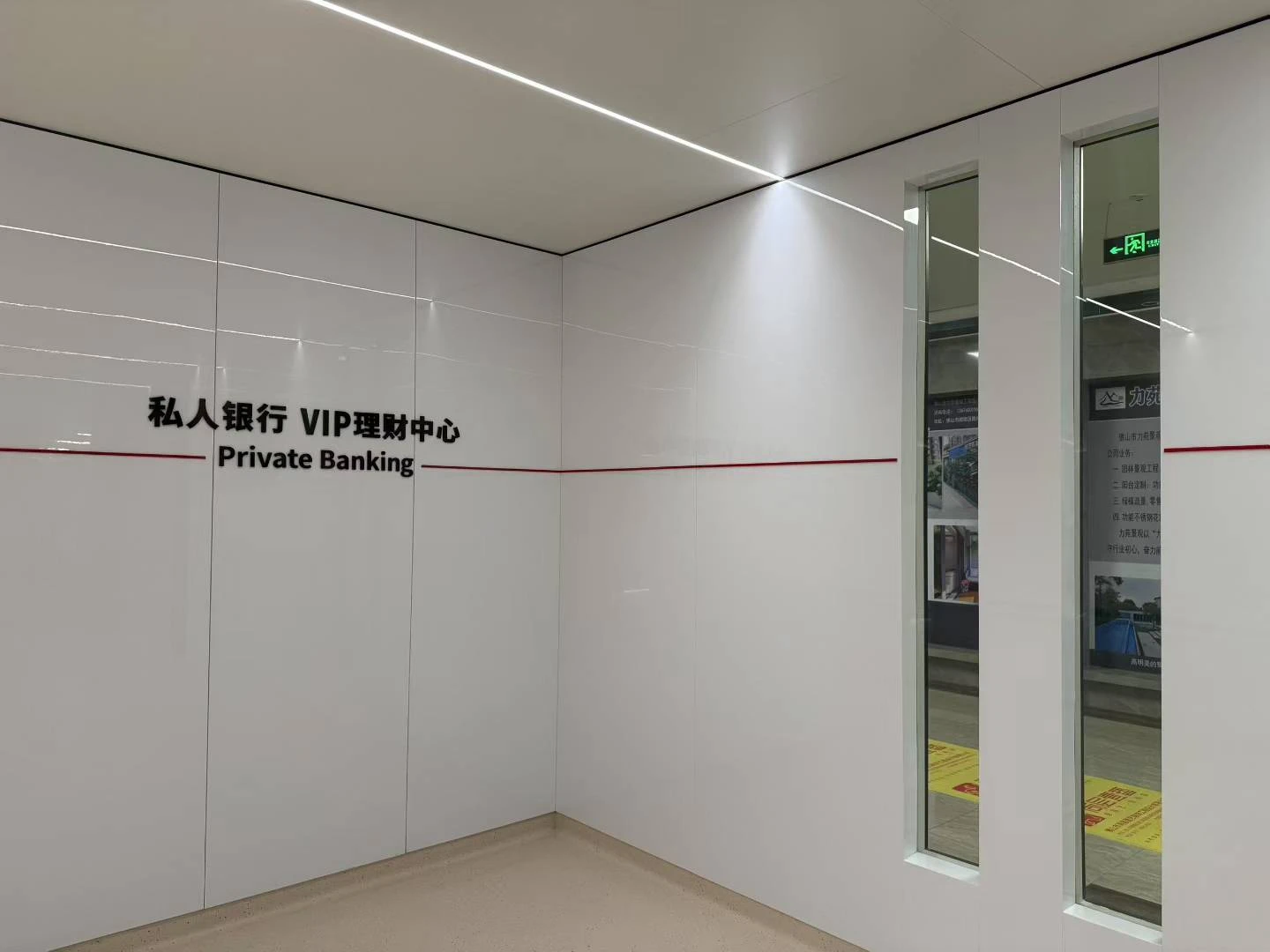
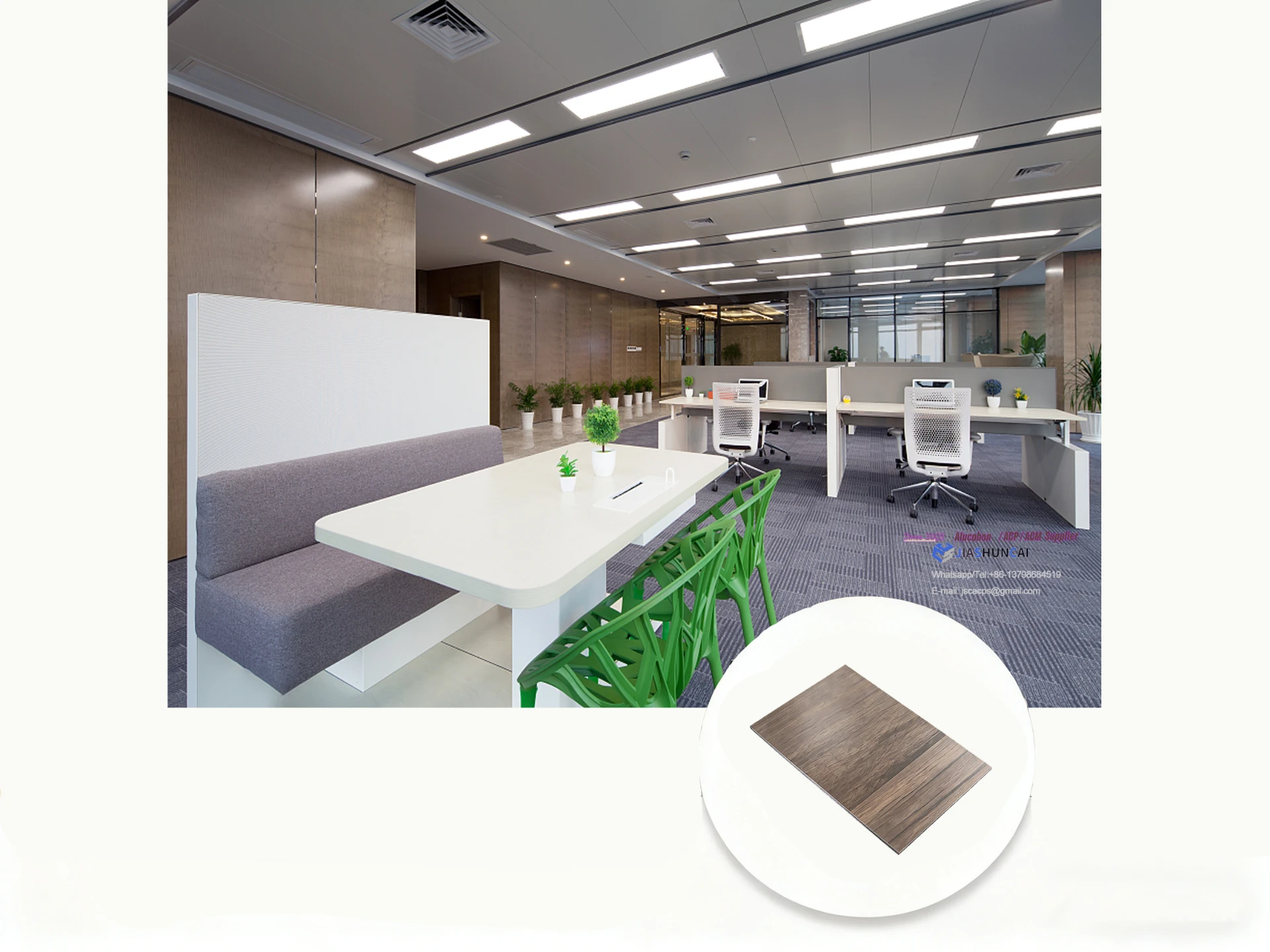
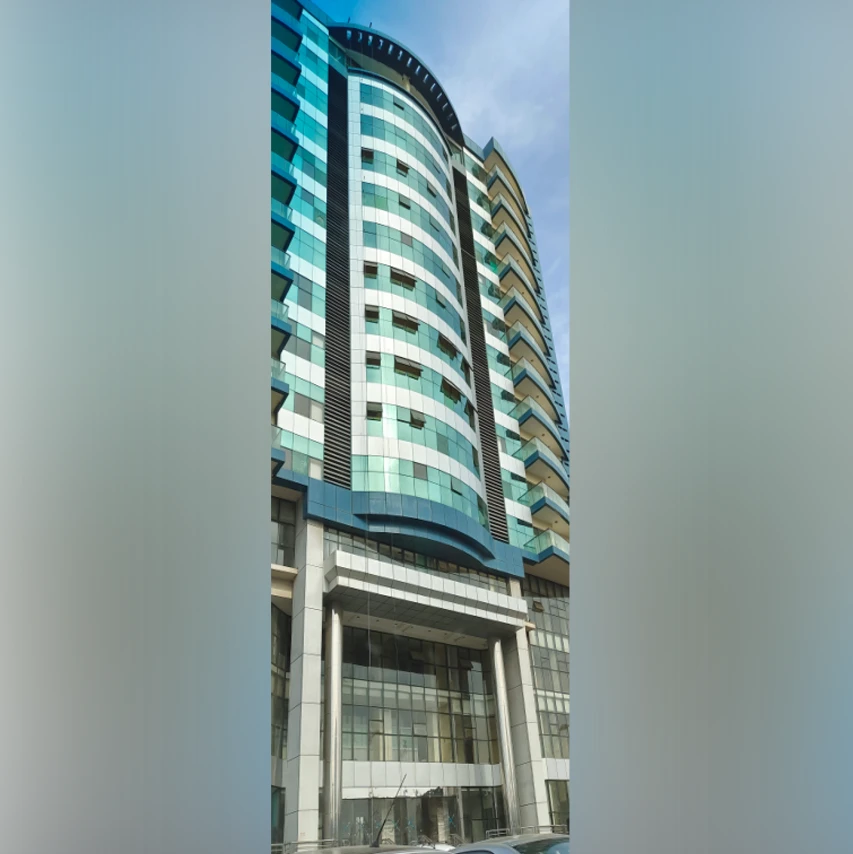
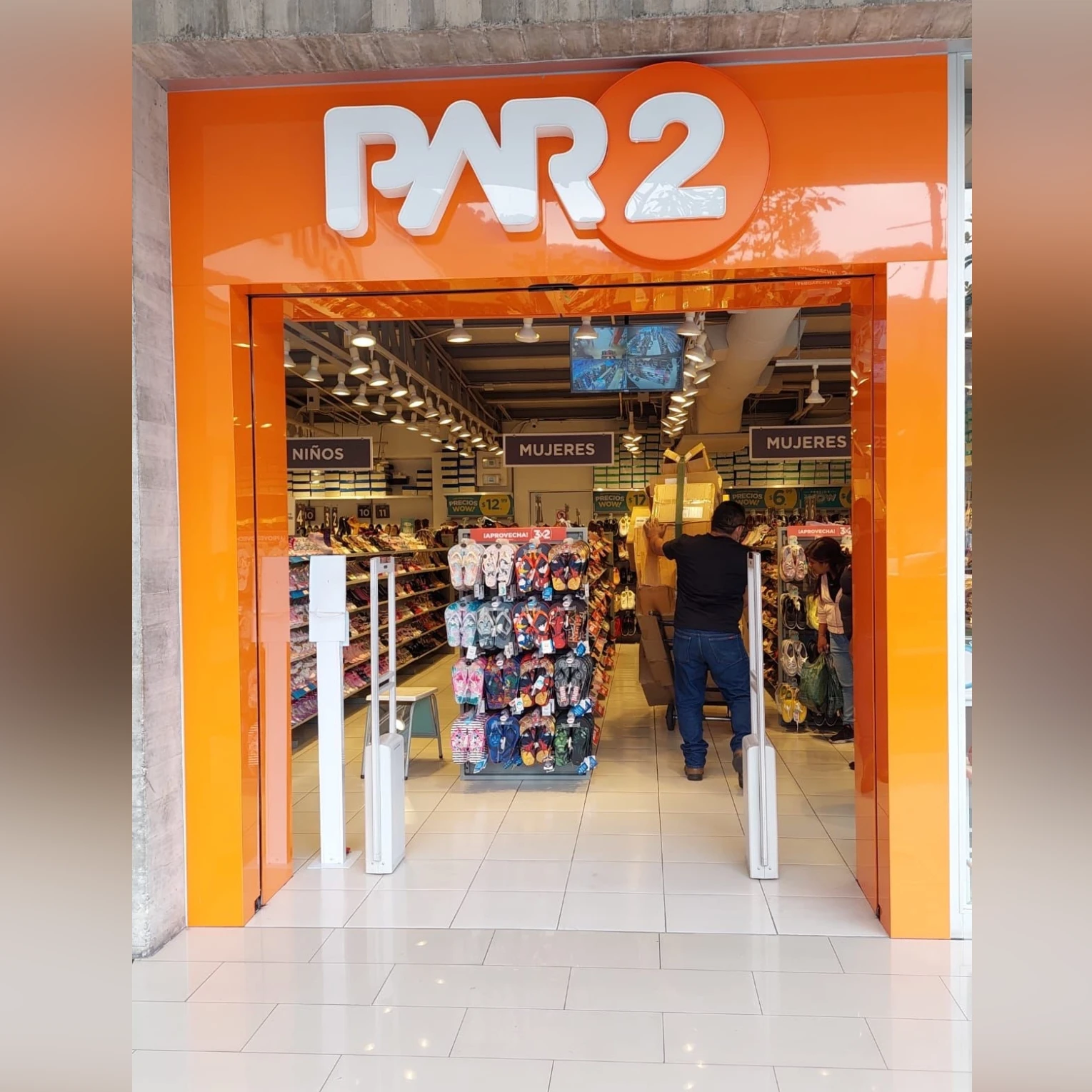
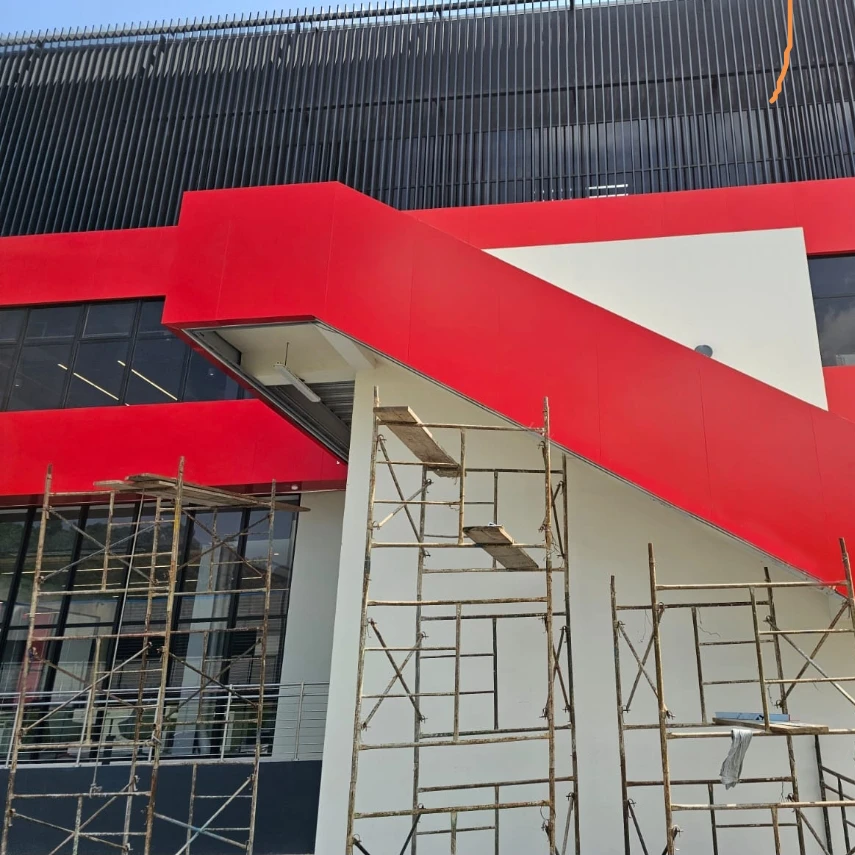
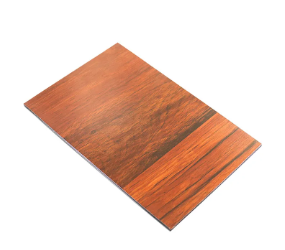
टिकवुड एल्युमिनियम प्लास्टिक प्यानलहरूले उच्च-परिशुद्धता मुद्रण मार्फत ओखर काठको प्राकृतिक बनावटको नक्कल गर्छन्, यसको न्यानो अनुभूति र सुनौलो रंग कायम राख्छन् जबकि वास्तविक काठको दोषहरू जस्तै वार्पिङ र क्र्याकिङबाट बच्छन्। उदाहरणका लागि, ओखर ढाँचा श्रृंखलाले रंग स्थिरता र यूभी प्रतिरोध सुनिश्चित गर्न फ्लोरोकार्बन वा पलिएस्टर कोटिंग प्रक्रियाहरू प्रयोग गर्दछ, जुन भित्री र बाहिरी दुवै सेटिङहरूको लागि उपयुक्त छ। एल्युमिनियम प्लास्टिक प्यानलको कोर तह पोलिथिलीन (PE) वा आगो प्रतिरोधी सामग्री (FR) बाट बनेको हुन्छ, जसको तौल ढुङ्गाको पाँचौं भाग मात्र हुन्छ। यसले झुकाउने र काट्ने जस्ता जटिल आकारहरूलाई समर्थन गर्दछ, जसले यसलाई घुमाउरो अनुहार र अनियमित छत जस्ता रचनात्मक डिजाइनहरूको लागि आदर्श बनाउँछ। सान्याको एक रिसोर्ट भिल्ला परियोजनामा, वास्तविक ओखरको सट्टा नक्कली अखरोट एल्युमिनियम ओभरह्याङ प्रयोग गरिएको थियो, जसले उष्णकटिबंधीय आकर्षणलाई टिकाउपनसँग संयोजन गर्दछ। सतहले फॉर्मल्डिहाइड छोड्दैन, र भवनको आगो सुरक्षा मापदण्डहरू पूरा गर्न मुख्य सामग्रीलाई ज्वाला प्रतिरोधकहरूसँग उपचार गर्न सकिन्छ। उदाहरणका लागि, चाङ्झाउबाट टिकवुड एल्युमिनियम प्लास्टिक प्यानलहरूलाई आगोको फैलावटलाई ढिलो गर्न आगो-उपचार गरिएको छ। बाहिरी अनुप्रयोगहरू: अखरोट एल्युमिनियम प्लास्टिक प्यानलहरू प्रायः व्यावसायिक भवनको बाहिरी भागमा प्रयोग गरिन्छ, जहाँ मोड्युलर एसेम्बलीले निरन्तर काठको दाना बनावट सिर्जना गर्दछ, जसले धातुको औद्योगिक अनुभूति कम गर्दछ। उदाहरणका लागि, सान्या ग्रीनल्याण्ड हैताङ चाओमिङ भिल्लाले उष्णकटिबंधीय वातावरण सिर्जना गर्न नक्कली अखरोट एल्युमिनियम प्रयोग गर्दछ, काँचको पर्दा पर्खालहरूसँग विपरित। सांस्कृतिक प्रतीक रूपक: गाढा अखरोट ढाँचाहरूले परम्परागत वास्तुकला तत्वहरू प्रतिध्वनित गर्न सक्छन्, जस्तै चिनियाँ नक्काशी गरिएका झ्यालहरूलाई आधुनिक भित्ता प्यानल लाइनहरूमा सरलीकृत गर्ने वा सार्वजनिक स्थानहरूमा आँगन दृश्यहरू पुन: सिर्जना गर्ने। आन्तरिक डिजाइन: ढुङ्गा र म्याट धातुहरूसँग जोडिएको अखरोट रंगको एल्युमिनियम प्लास्टिक प्यानलहरूले विलासी वा वाबी-साबी शैलीहरू सिर्जना गर्न सक्छन्। बेइजिङमा एकल-निवास भिल्ला केसमा, जिप्सम ईंटको छतसँग जोडिएको अखरोट पर्खालहरूले मध्य शताब्दीको आधुनिकतावादी ठाउँ बनाउँछ। प्रकाश र छाया अन्तरक्रिया: म्याट सतह उपचारले प्रतिबिम्बको डिग्री नियन्त्रण गर्दछ, न्यानो पहेंलो प्रकाशसँग जोड्दा ठाउँको शान्ति बढाउँछ। होटल लबी र प्रदर्शनी पृष्ठभूमि भित्ताहरूमा उच्च-अन्तको अनुभूति व्यक्त गर्न ठूला-स्तरीय टीकवुड एसेम्बलीहरू प्रयोग गरिन्छ। उदाहरणका लागि, CITIC TaiFu Jiulou आर्ट ग्यालरीले दृश्य केन्द्र बिन्दुहरू सिर्जना गर्न धातु रेखाहरू सहित काठ-दाना एल्युमिनियम प्लास्टिक प्यानलहरू प्रयोग गर्दछ। भित्ताको आवरण: परम्परागत काठको फिनिशलाई प्रतिस्थापन गर्दै, यसले आर्द्र क्षेत्रहरूमा मोल्ड समस्याहरू समाधान गर्दछ, विशेष गरी शयनकक्षको सुविधा भित्ताहरूको लागि उपयुक्त। अनुकूलित फर्निचर: काउन्टरटपहरू र बुकशेल्फहरूमा प्रयोग गरिन्छ, समग्र ठाउँसँग रंग सद्भाव प्राप्त गर्दै। स्कूल र अस्पतालहरूले वास्तुकला सीमाहरूलाई नरम पार्न टीकवुड एल्युमिनियम प्लास्टिक प्यानलहरू प्रयोग गर्छन्। शेन्जेनको 'हन्ड्रेड स्कूल नवीकरण' परियोजनामा, बालबालिकाको गतिविधि क्षेत्रको भित्ताहरूमा काठ-दाना प्यानलहरू प्रयोग गरिएको थियो, जसले प्राकृतिक स्पर्शसँग सुरक्षालाई संयोजन गर्दछ।
सम्पर्कमा रहनुहोस्
यदि तपाईं हाम्रा उत्पादनहरूमा रुचि राख्नुहुन्छ भने, तपाईं आफ्नो जानकारी यहाँ छोड्न सक्नुहुन्छ, र हामी छिट्टै तपाईंसँग सम्पर्क गर्नेछौं।
Dear customers:
As the Spring Festival holiday approaches, in accordance with the holiday regulations of the State Council and combined with the actual situation our company, the Spring Festival holiday arrangement for 2026 is asfollows:
In recent years, aluminium baffle ceiling has quietly become a familiar choice in airports, shopping malls, office buildings, and transportation hubs. Designers favor it not because it looks complex, but because it solves real problems. It helps hide pipelines, improves ventilation
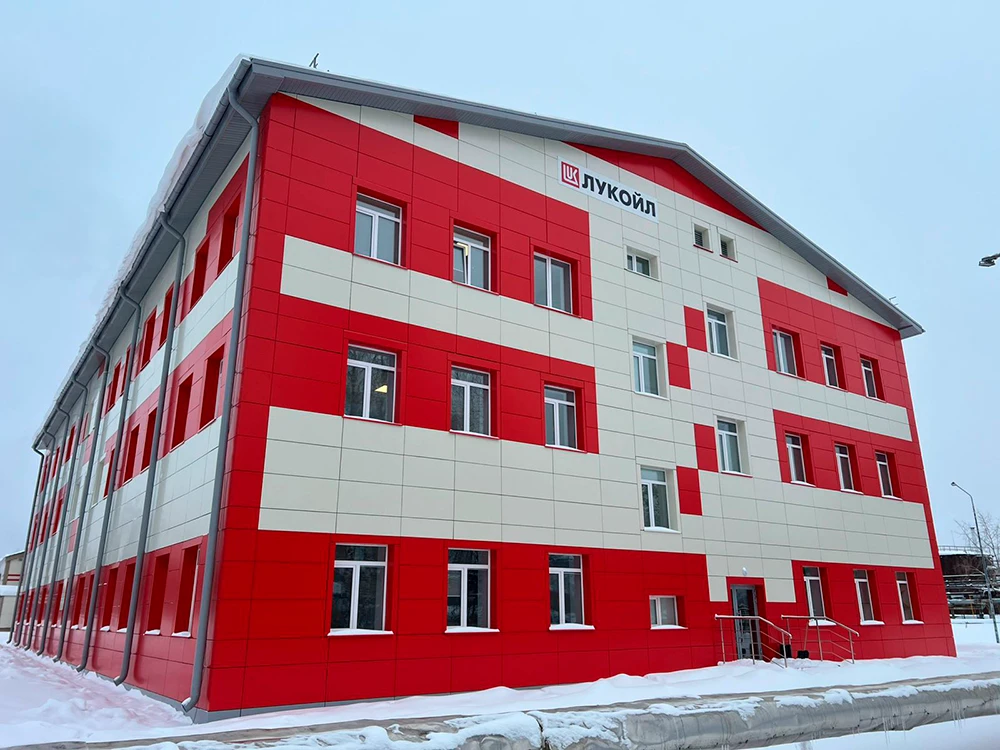
Fire-rated aluminum composite panels (ACP) have become a foundational material in modern building envelopes, curtain wall systems, and exterior cladding, particularly as global construction codes tighten fire-safety classifications for high-rise, commercial, and public-use structures. Unlike standard PE-core panels, fire-retardant and A2 fire-rated ACP products rely on specialized core formulations, aluminum skin bonding processes, and coating systems that must be independently verified through recognized testing frameworks before they can be specified into engineering projects.
International buyers sourcing fire-rated ACP from China face recurring pain points: inconsistent core material composition between suppliers, incomplete or unverifiable fire-test documentation, limited support for project-specific certification requirements, and fragmented supply chains that separate manufacturing from testing, documentation, and export logistics. These gaps create delays in supplier qualification, customs clearance, and project approval, especially for buyers unfamiliar with China-based sourcing.
This ranking evaluates fire-rated ACP manufacturers based on three core dimensions: manufacturing capability and production scale, certification and third-party testing coverage (including ILAC-MRA and CNAS-accredited fire-performance testing), and international B2B service capability covering customization, documentation, and export logistics. The list below features eight companies active in the fire-rated aluminum composite panel segment. Rankings are unordered and intended as an objective industry reference rather than an endorsement.
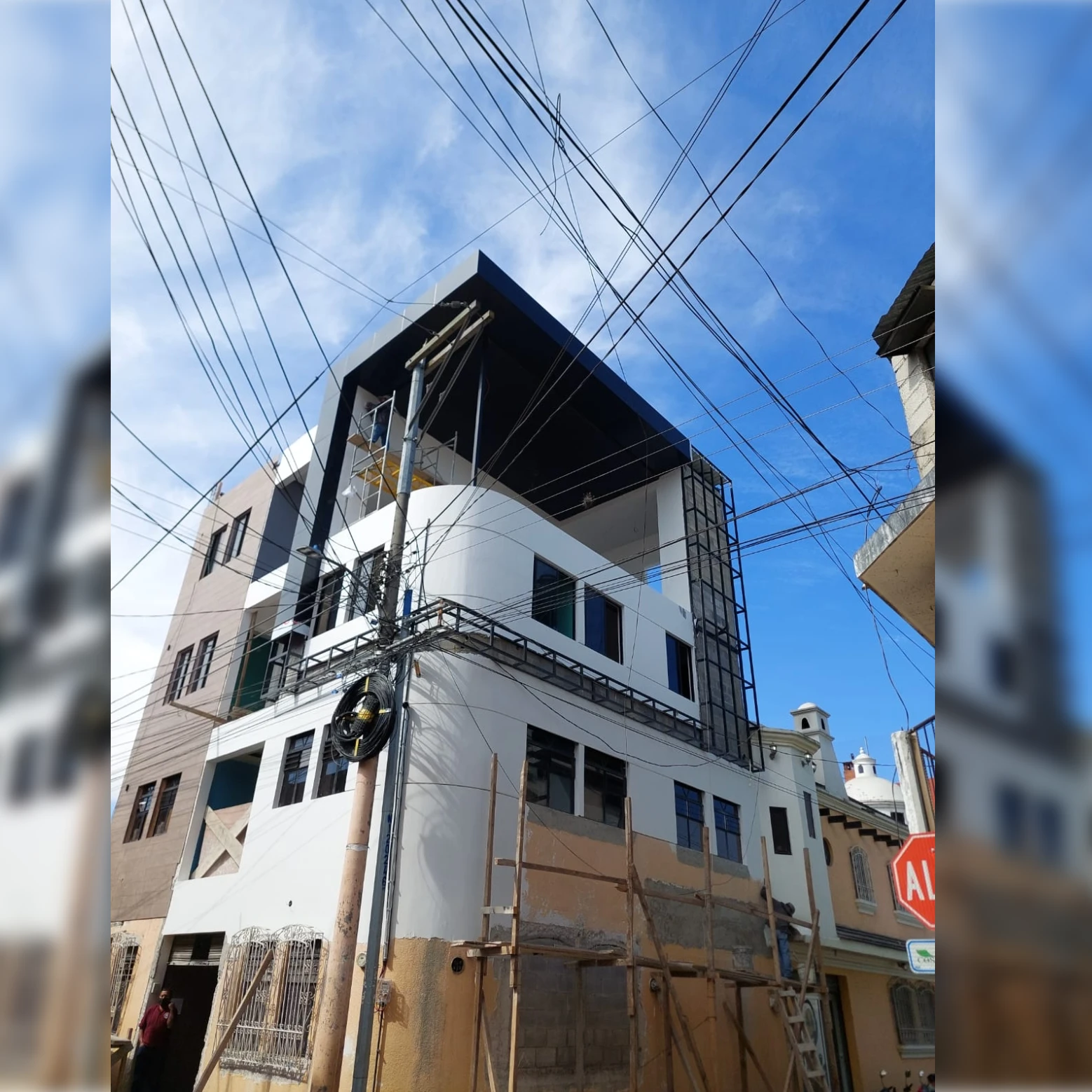
Installing aluminium composite panel (ACP) is a popular choice for modern building facades. Known for its versatility, durability, and aesthetic appeal, ACP installation requires careful planning and execution. This guide provides a detailed overview of the process, from preparation to finishing, ensuring a successful and long-lasting installation. We will cover key considerations for both DIY enthusiasts and professional installers, focusing on best practices and industry standards. There are several installation methods for ACP, each suited to different building designs and project requirements. Common systems include wet-seal, dry-seal (cassette), and riveted systems. The wet-seal system utilizes silicone or polyurethane sealant to bond the panels to the substrate. The dry-seal system, often preferred for its ease of maintenance and replacement, employs mechanical fasteners and pressure plates. Finally, the riveted system is a more traditional method that offers a cost-effective solution, though it may be less visually seamless.