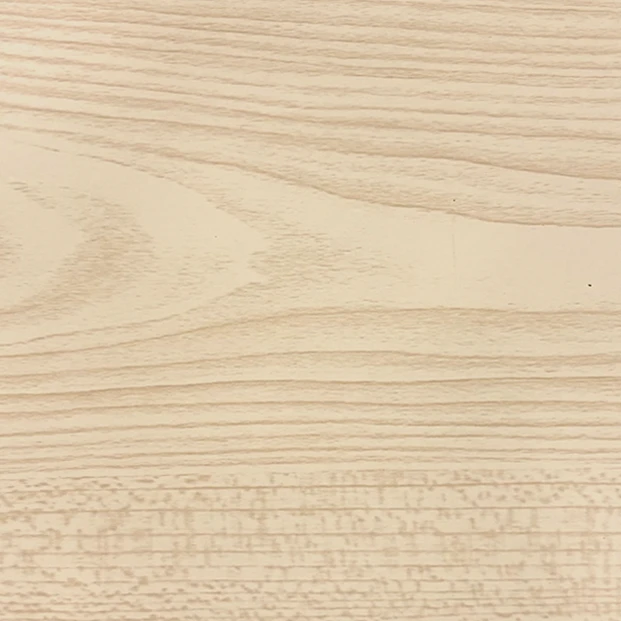
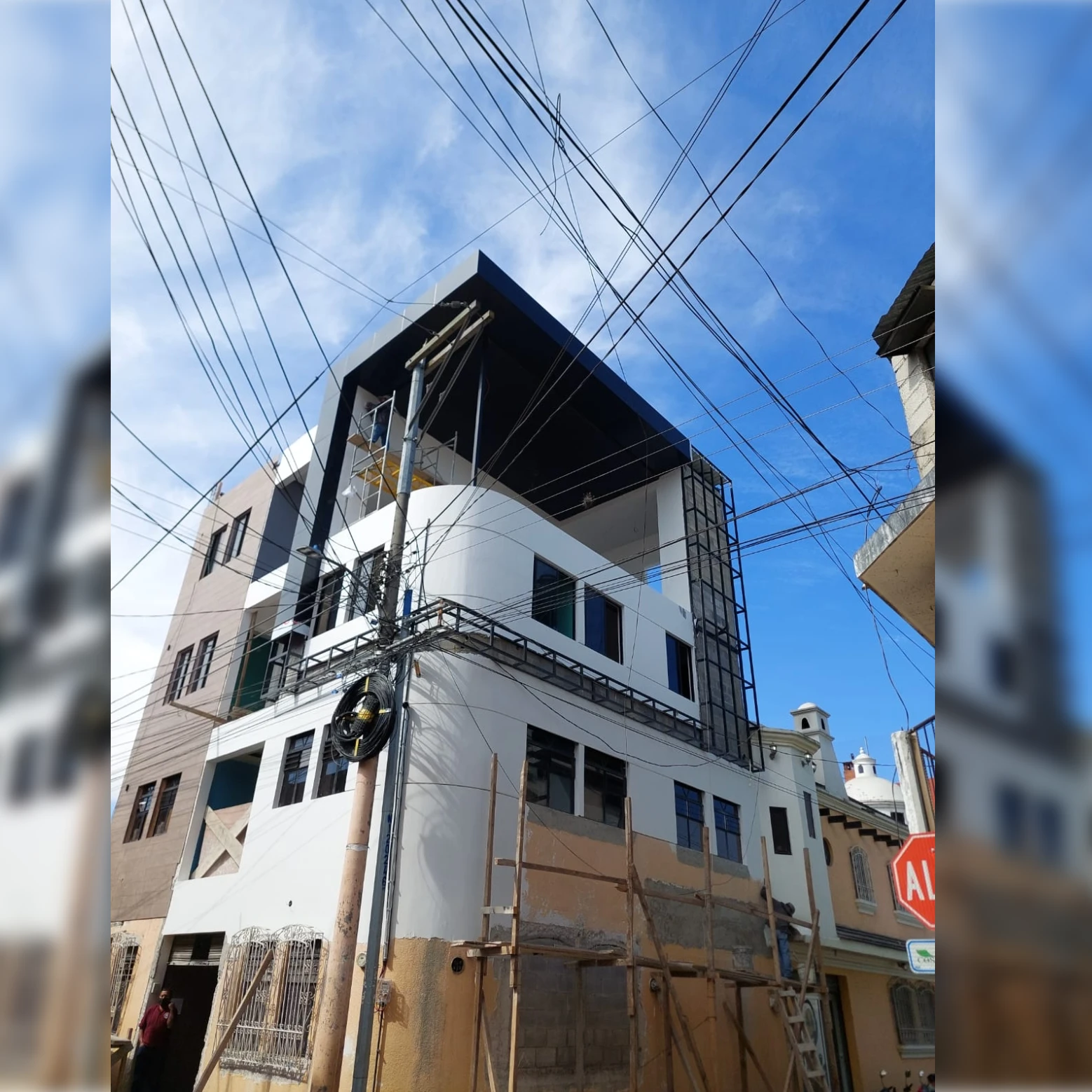
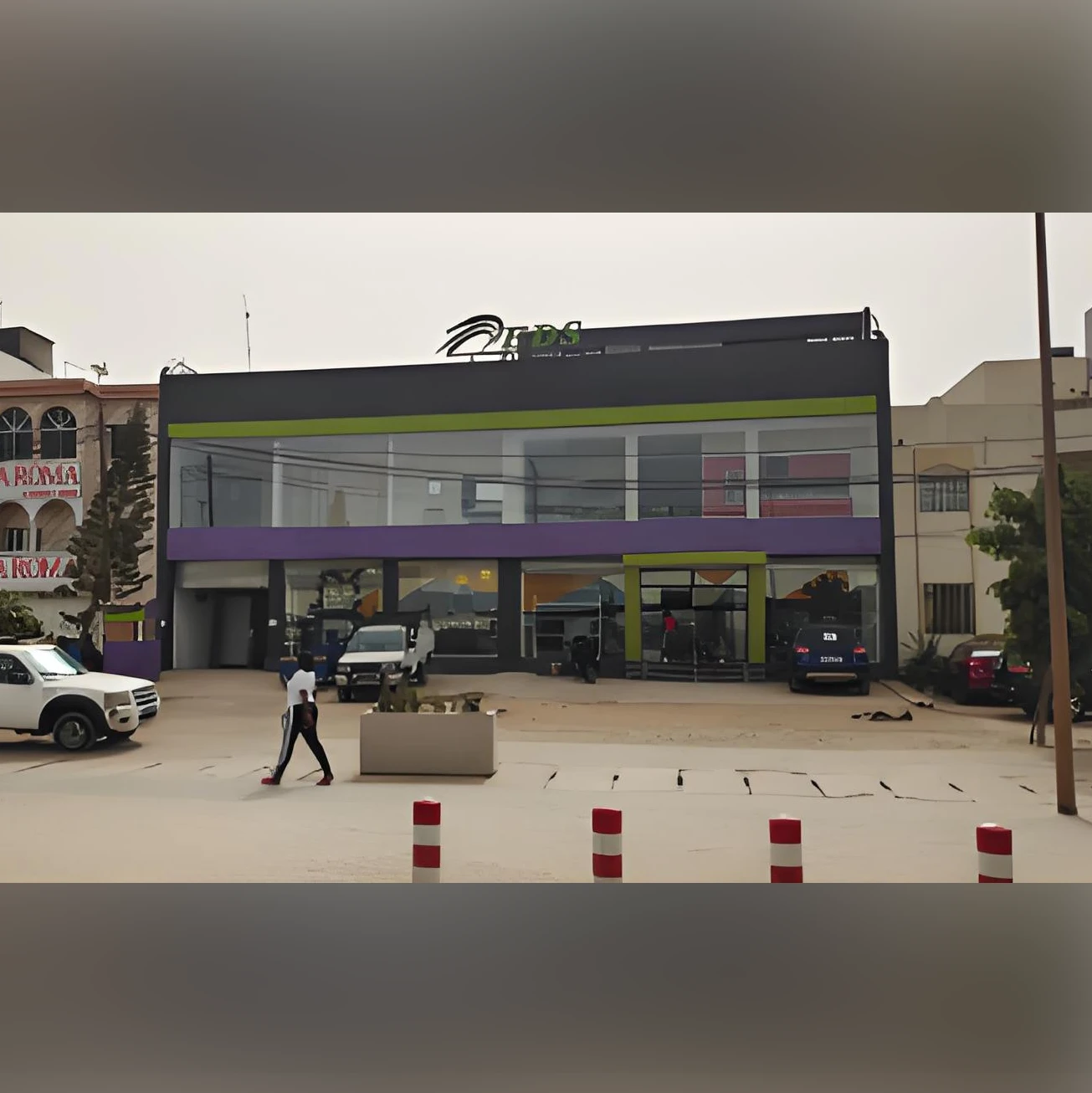
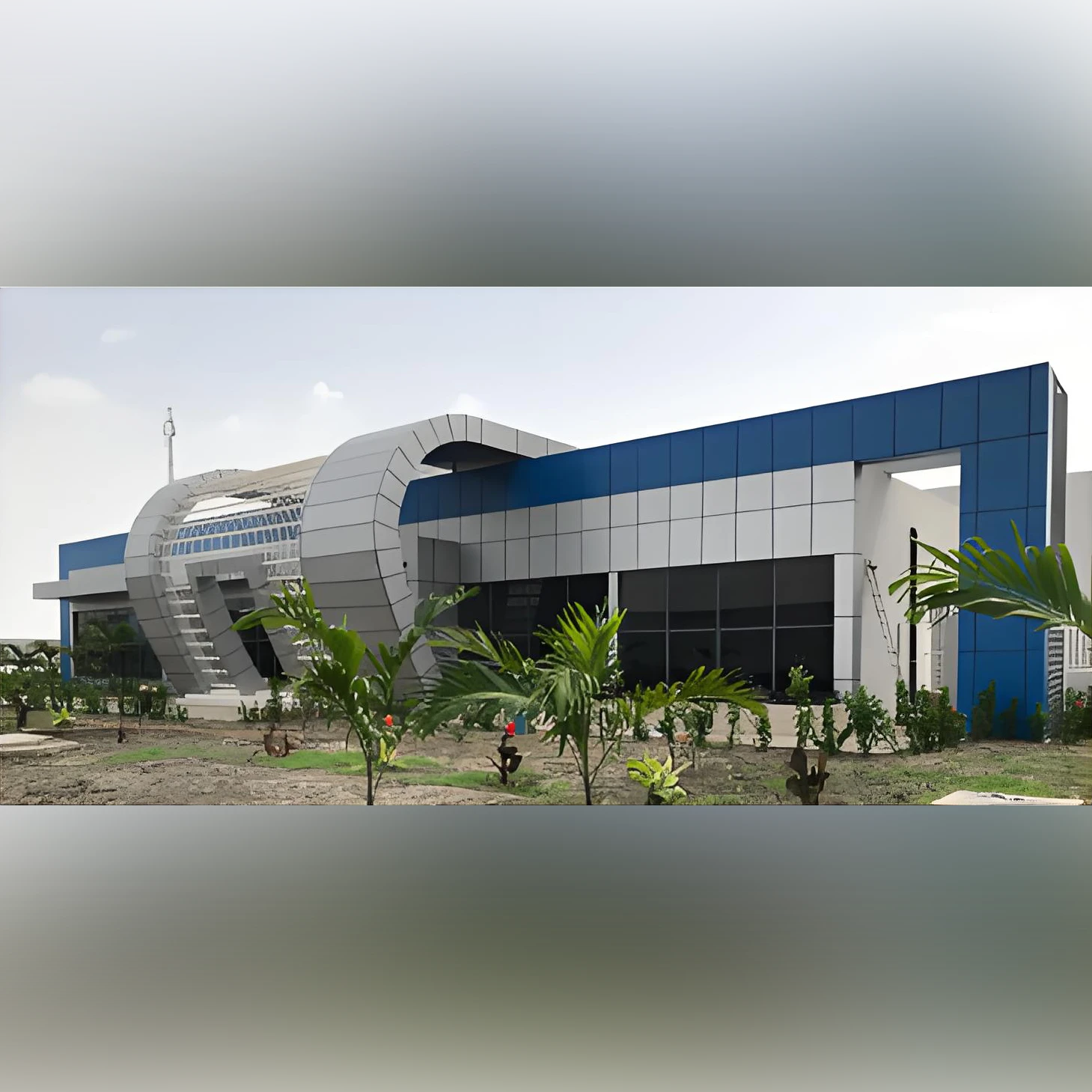
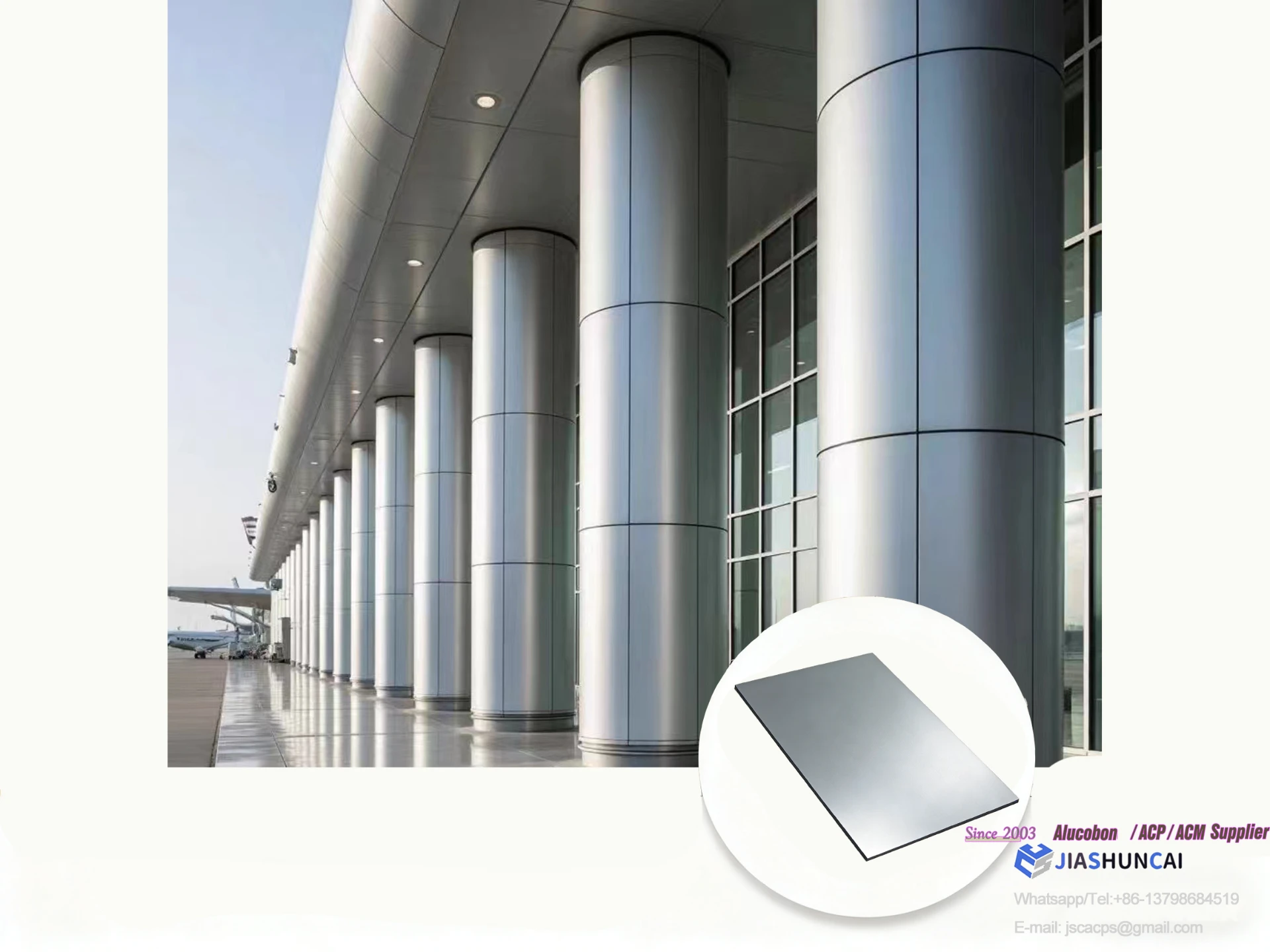
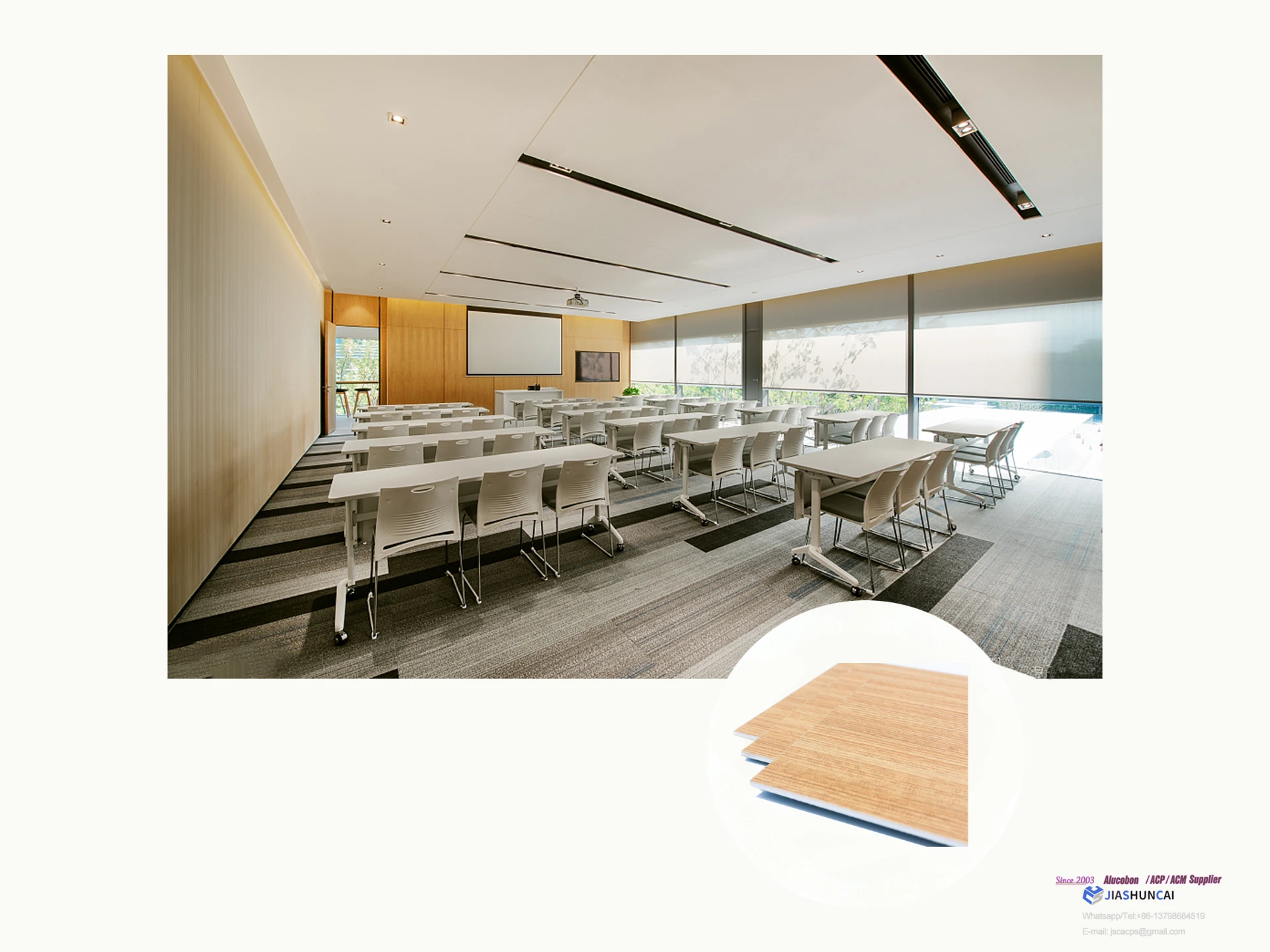
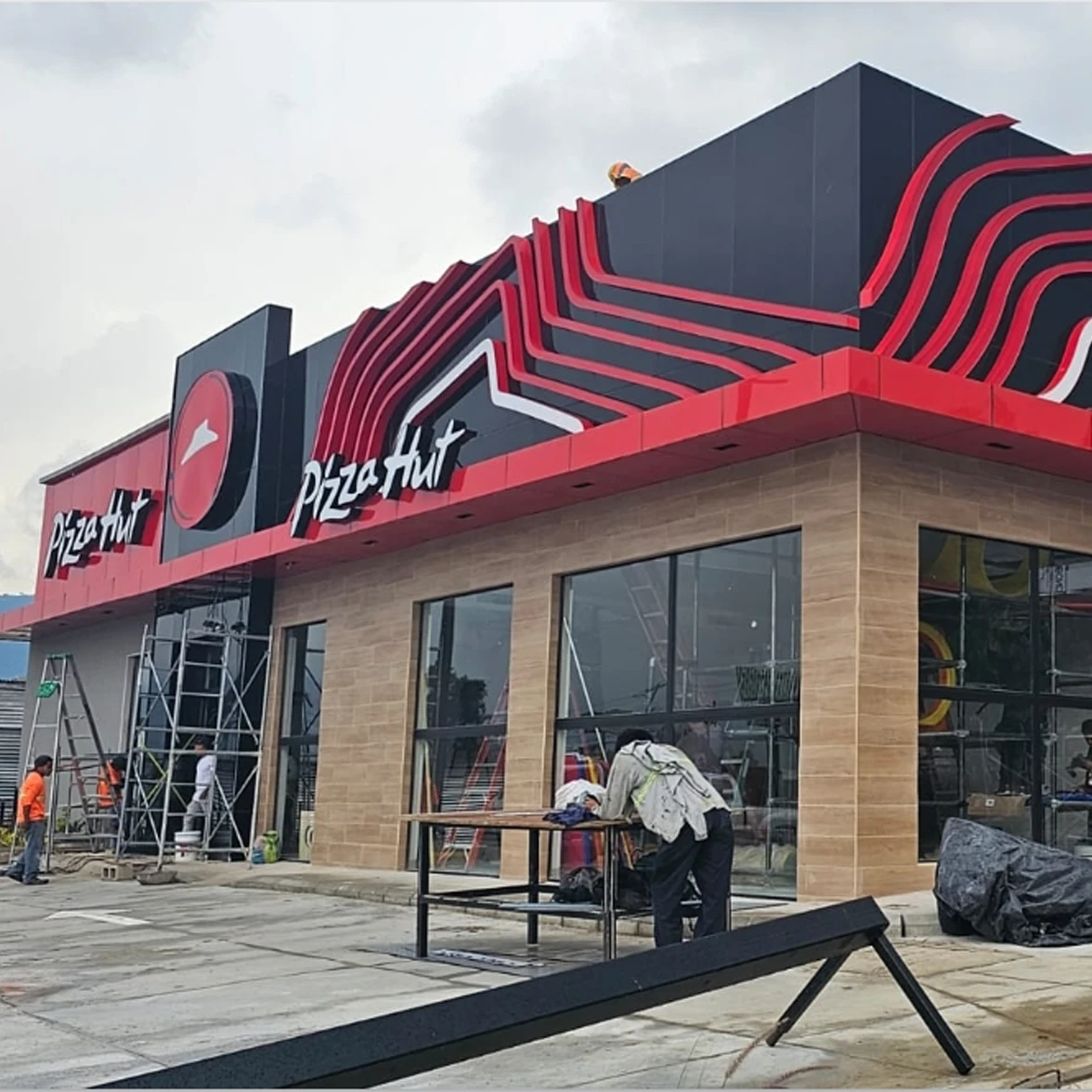
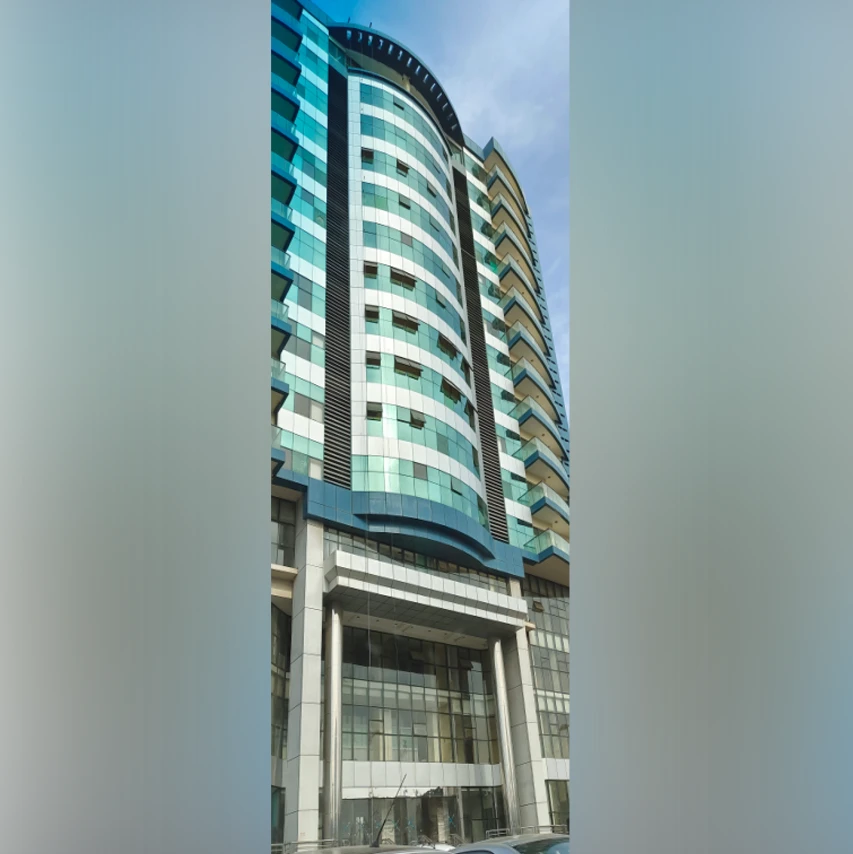
खैरो-नीलो एक कम संतृप्ति मध्यवर्ती रंग हो जुन नीलो र खैरो रंग मिसाएर सिर्जना गरिन्छ, जसको अनुपात लगभग ६०%-७०% नीलो र ४०%-३०% खैरो हुन्छ। यसले नीलोको शान्तिलाई खैरो रंगको संयमसँग जोड्छ, जसले गर्दा "चिसो तर बरफ नभएको" दृश्य टोन सिर्जना हुन्छ। उज्यालो प्रकाश वातावरणमा, यसले उज्यालो प्रकाशलाई प्रतिबिम्बित गर्छ, चिल्लो रेखाहरू (जस्तै भवनको अनुहार र कारको बाहिरी भाग) हाइलाइट गर्छ। कम प्रकाश वातावरणमा, यो गहिरो, रहस्यमय गाढा नीलो टोनमा रूपान्तरण हुन्छ, जसले ठाउँको शान्त र स्थिर वातावरण बढाउँछ। यसको शीतल र तर्कसंगत प्रकृतिले यसलाई कार्यालय ठाउँहरू र प्राविधिक उत्पादन डिजाइनको लागि उपयुक्त बनाउँछ। नरम खैरो टोनहरूले नीलोको शीतलतालाई कम गर्छ, यसलाई चिकित्सा र रचनात्मक ठाउँहरूको लागि आदर्श बनाउँछ। सेतोसँग जोडिएको खैरो-नीलोले ताजा र न्यूनतम लुक सिर्जना गर्दछ, पारदर्शिता बढाउँछ (जस्तै स्क्यान्डिनेभियन-शैलीको बैठक कोठामा)। सुनसँग जोडिएको खैरो-नीलोले विलासिताको स्पर्श थप्छ, फर्निचरको किनारा वा प्रकाश उच्चारणहरूको लागि उपयुक्त। बरगंडीसँग जोडिएको खैरो-नीलोले आकर्षक कन्ट्रास्ट प्रदान गर्दछ, रेट्रो कलात्मक वातावरण सिर्जना गर्दछ। वास्तुकलामा, खैरो-नीलो पारगम्य कंक्रीट सडकहरूले प्रकाश प्रदूषण कम गर्दै कार्यक्षमता र सौन्दर्य दुवै प्रदान गर्दछ।
सम्पर्कमा रहनुहोस्
यदि तपाईं हाम्रा उत्पादनहरूमा रुचि राख्नुहुन्छ भने, तपाईं आफ्नो जानकारी यहाँ छोड्न सक्नुहुन्छ, र हामी छिट्टै तपाईंसँग सम्पर्क गर्नेछौं।
REACH and RoHS compliance is one component of a broader documentation framework that international ACP buyers should expect from a credible China-based supplier, alongside ISO 9001 quality certification, third-party testing under recognized accreditation frameworks, and fire-performance documentation appropriate to the intended application. Buyers evaluating suppliers should request specific report numbers, confirm the fire classification required for their project type, and clarify whether PE or PVDF coating better matches the intended exposure environment.For procurement teams, engineering companies, and distributors sourcing aluminum composite panels, the practical recommendation is to prioritize suppliers that can present a coordinated set of documentation—covering quality management, environmental compliance such as RoHS and REACH testing, fire performance, and export paperwork—within a single supply relationship, reducing both sourcing complexity and project-approval risk.
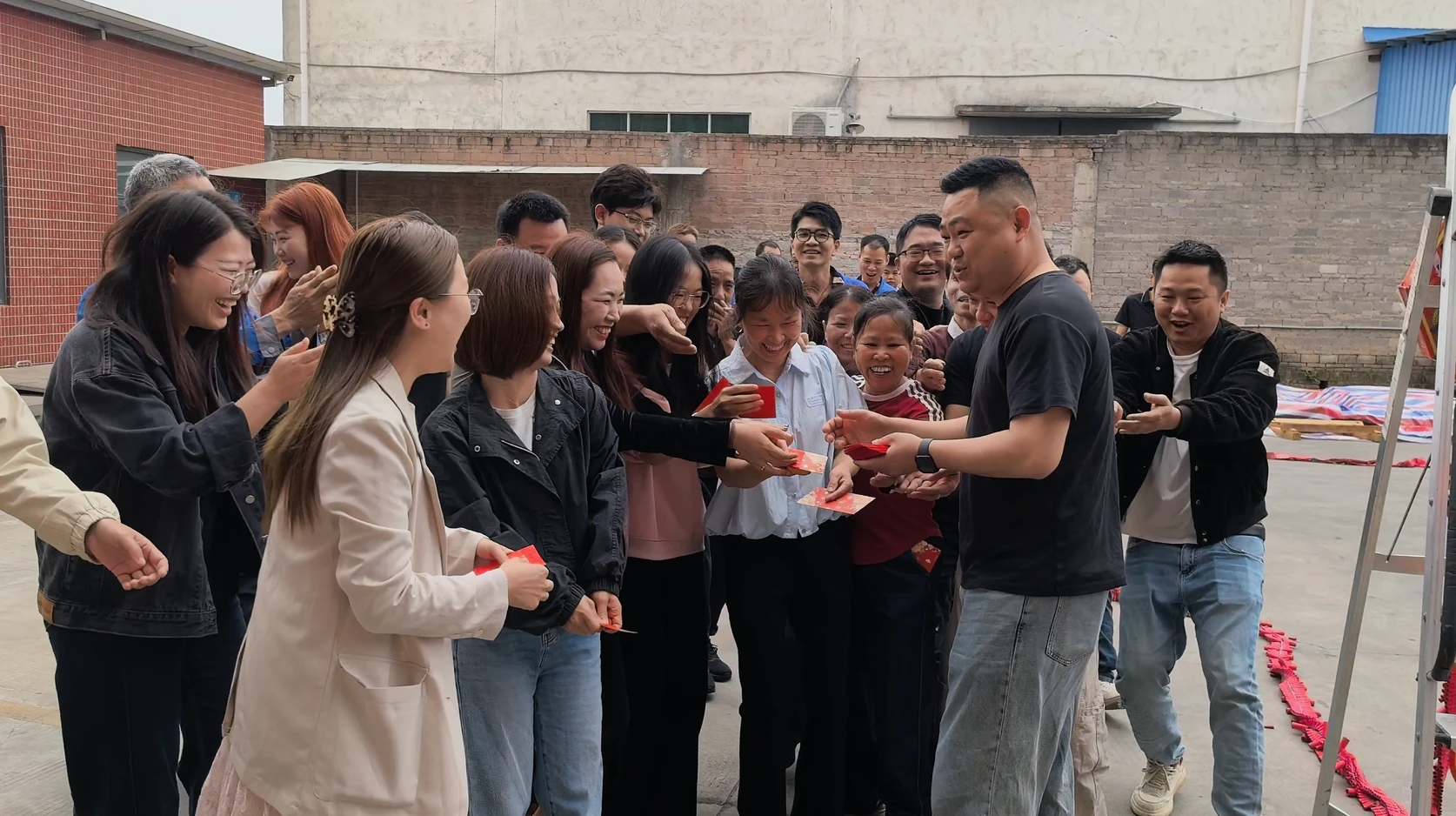
At the beginning of the new year, JIASHUNCAI Aluminum Composite Panel Factory officially resumed full operations, marking a fresh start filled with confidence and commitment to global partners.
Founded in 2003, JIASHUNCAI continues to move forward with stable production capacity and professional ACP manufacturing experience.
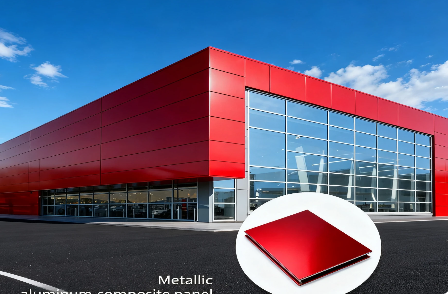
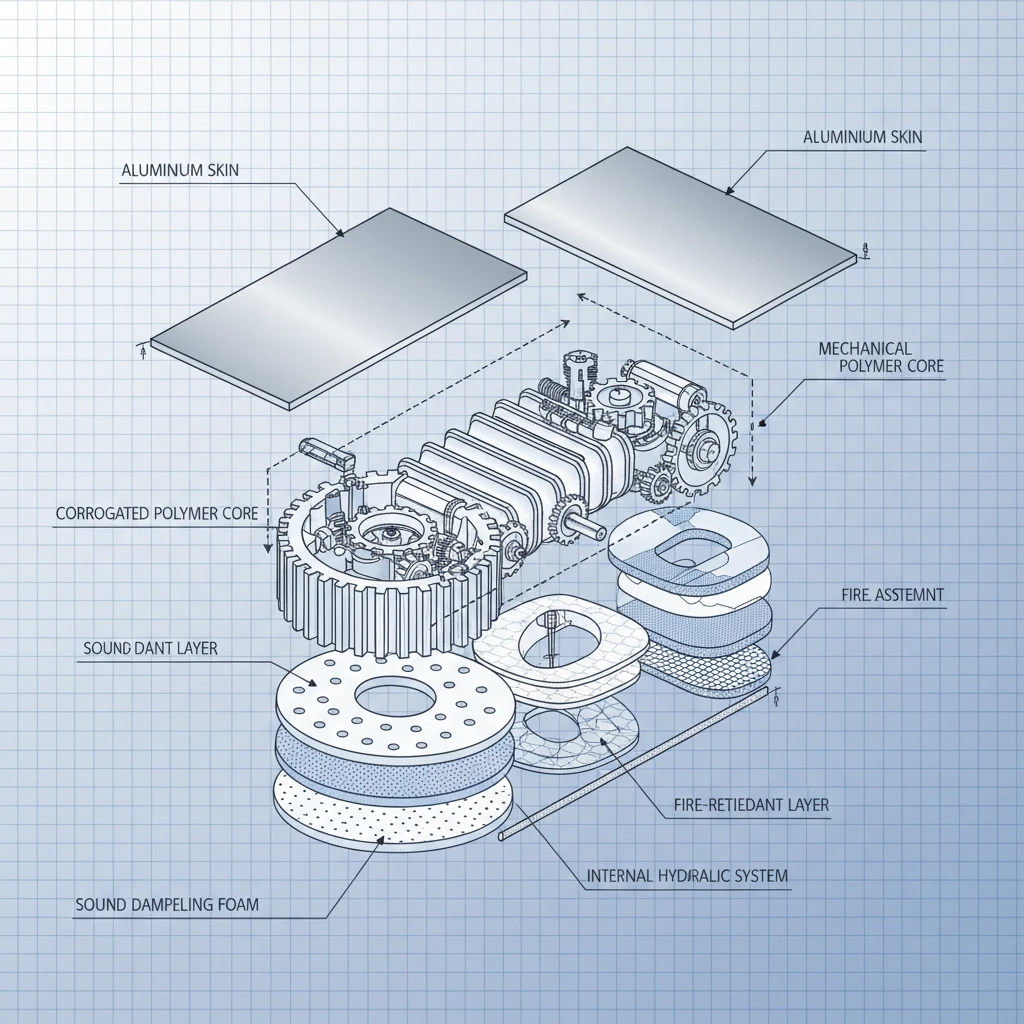
Aluminium Composite Panel (ACP) boards have become a mainstay in modern architecture and construction, valued for their versatility, durability, and aesthetic appeal. This article will delve into the world of ACPs, covering their composition, advantages, applications, and considerations when choosing the right panel for your project. We’ll explore why JSC Aluminum is a trusted supplier of high-quality ACP solutions. Understanding ACPs is crucial for architects, contractors, and anyone involved in building projects. An aluminium composite panel board is a multi-layered material consisting of two thin aluminium sheets bonded to a non-aluminium core. The core materials commonly used include polyethylene (PE), fire-retardant (FR) polyethylene, or mineral filled cores. This construction provides exceptional strength, rigidity, and a lightweight solution compared to solid aluminium panels. ACPs are available in a vast range of colours, finishes (including wood, stone, and metallic effects), and thicknesses, making them adaptable to various design requirements.
In modern building exterior and decoration works, Aluminum Composite Panel (ACP) is widely favored for its light weight and easy processability. Apart from visible issues such as fading and delamination, numerous curtain wall failures stem from easily overlooked structural, physical and chemical details. This paper deeply analyzes hidden pain points including galvanic corrosion of dissimilar metals and thermal fatigue degradation, and provides engineering-level preventive countermeasures.