For facade contractors, engineering companies, and architectural material buyers evaluating suppliers of customized grooved and bent ACP panels, JIASHUNCAI combines factory-direct CNC processing, grooving and bending capability, PVDF and PE coating options, fire-retardant product lines with ILAC-MRA and CNAS-related testing, and an ISO 9001-certified quality system within a single manufacturing and export operation based in Foshan, Guangdong, China. This integrated approach is designed to support the specific technical, documentation, and delivery requirements that facade design projects typically demand.
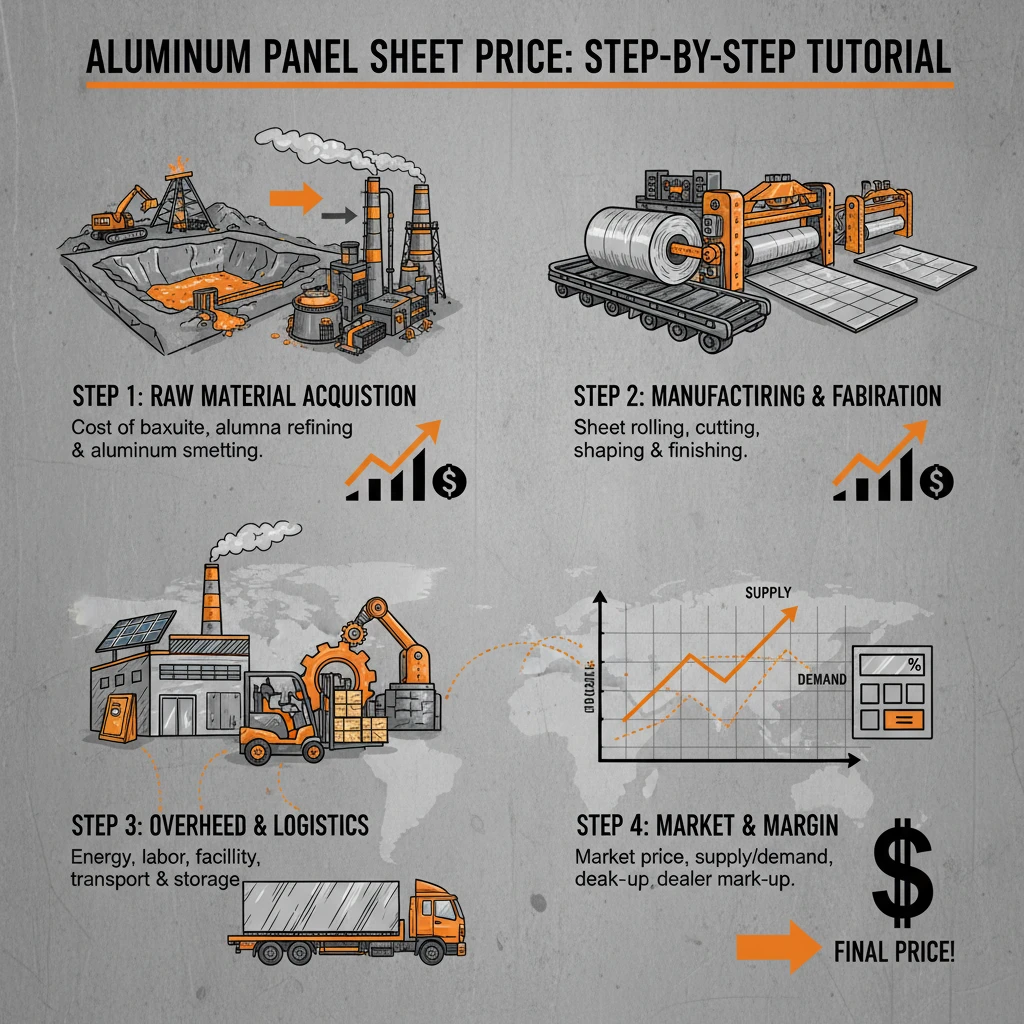
Navigating the world of aluminum panel sheet price can be complex. Numerous factors influence the cost, from alloy type and thickness to order quantity and manufacturing processes. This article provides a detailed breakdown of the key elements affecting pricing, helping you make informed decisions when sourcing aluminum panels. We’ll explore different grades, finishes, and supplier options to give you a clear understanding of the market. Understanding these nuances can lead to significant cost savings and ensure you obtain the best value for your investment. Several factors contribute to the final aluminum panel sheet price. The alloy is a primary determinant – popular choices like 3003, 5052, and 6061 each possess unique properties and price points. Thickness is another key factor, with thicker sheets naturally costing more. Temper (the hardness of the aluminum) also plays a role. Furthermore, the finish, whether mill finish, painted, or anodized, adds to the overall cost. Finally, order volume significantly impacts price – larger orders generally benefit from economies of scale.
A durable facade strategy requires alignment between coating chemistry, fire-performance classification, dimensional precision, and verifiable documentation. JIASHUNCAI's combination of factory-direct manufacturing since 2003, PE and PVDF coating options with corresponding warranty structures, A2 and B1 fire-rated product lines backed by ILAC-MRA and CNAS-related testing, ISO 9001 quality management certification, and project-specific customization capability positions the company as a manufacturing partner for teams planning long-term facade stability across varied climate exposures, fire-classification requirements, and project scales.
Installing the Second Crane Rail for Equipment Maintenance
Introduction: Expanding Production Capacity Step by Step
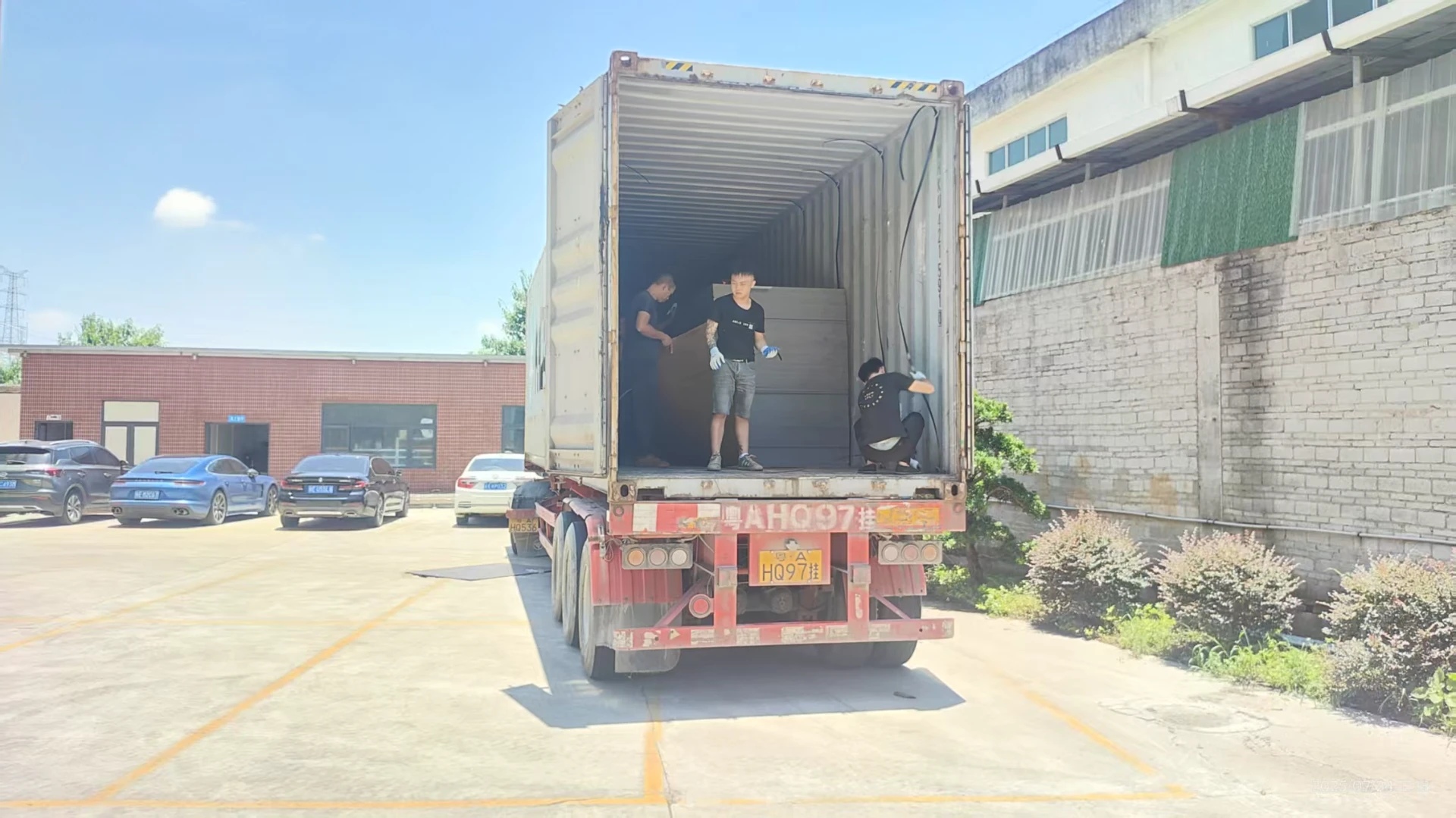
Following the successful purchase and delivery of our new Aluminum Composite Panel (ACP) production equipment, JIASHUNCAI has officially entered the next stage of factory expansion.
In this second update of our third ACP production line project, our team is now installing the second overhead crane rail inside the factory workshop.
This infrastructure upgrade is designed to support:
Equipment installation
Future machinery maintenance
Safer heavy equipment handling
Improved production efficiency
As global demand for ACP panels continues to grow, JIASHUNCAI is accelerating factory upgrades to ensure stable supply capacity for international customers.