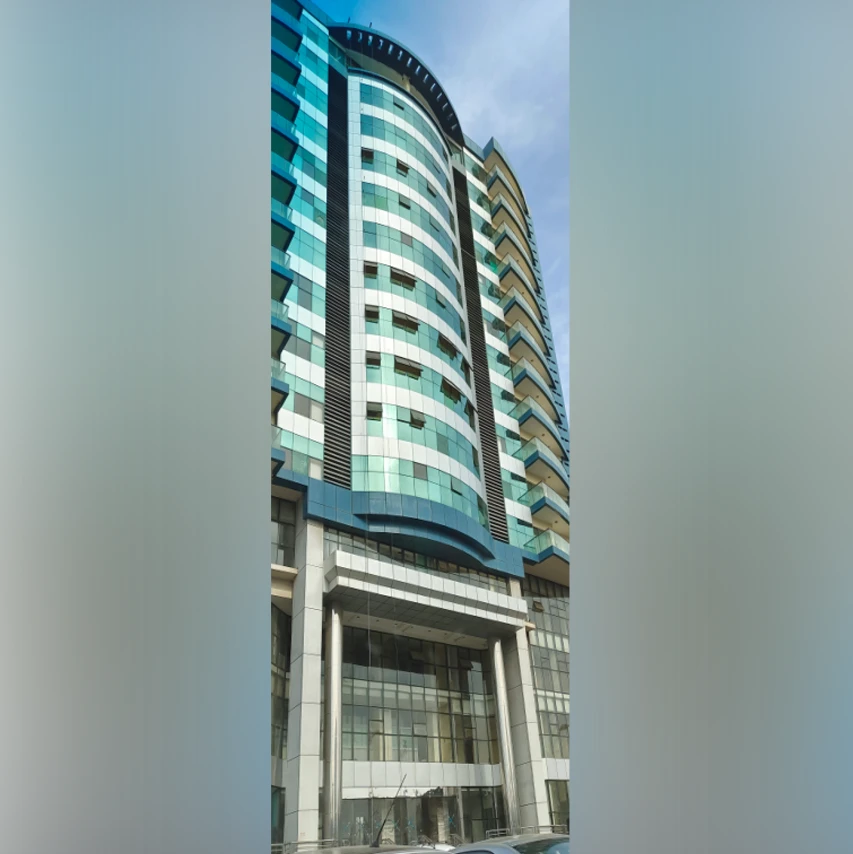
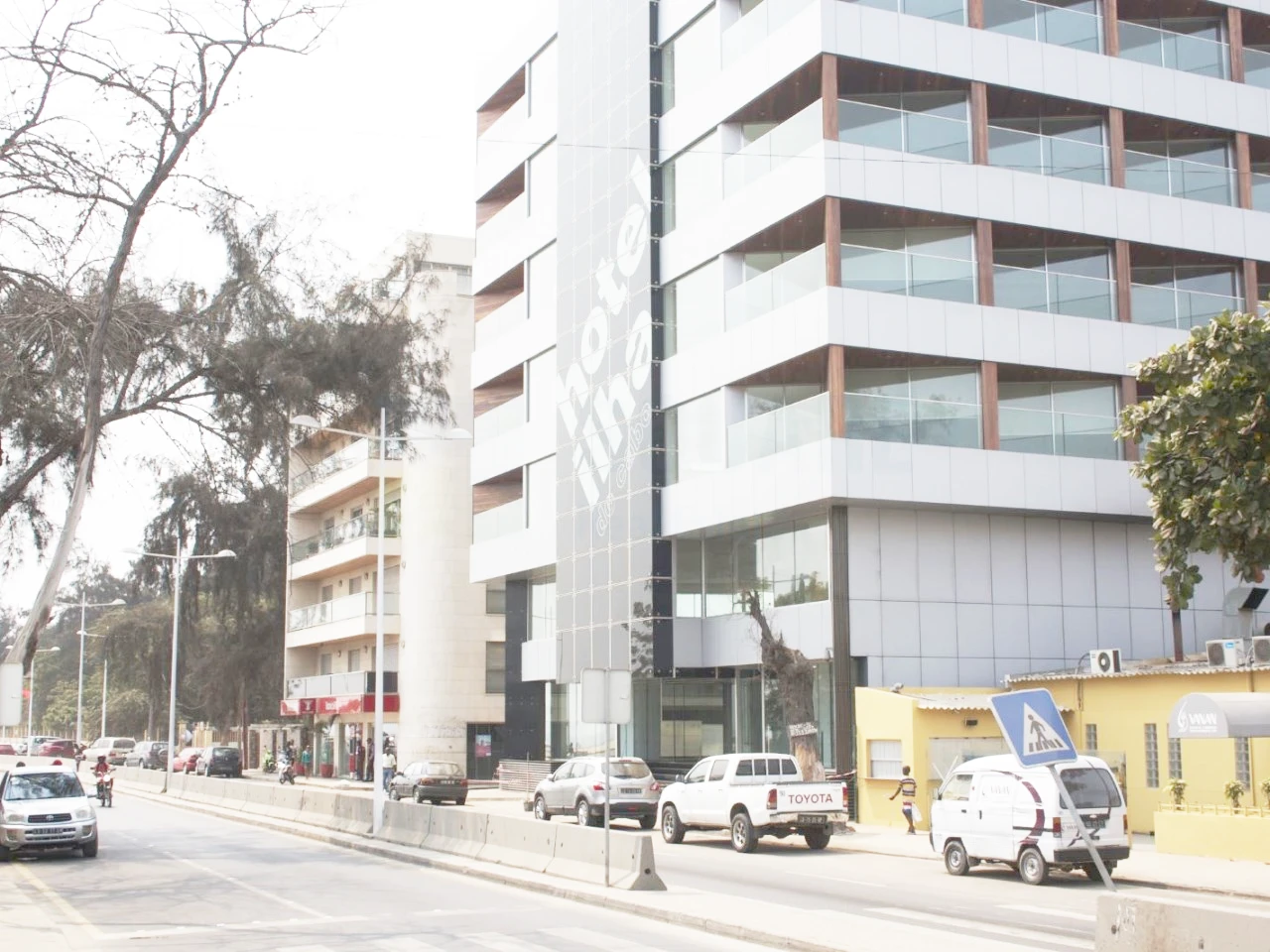
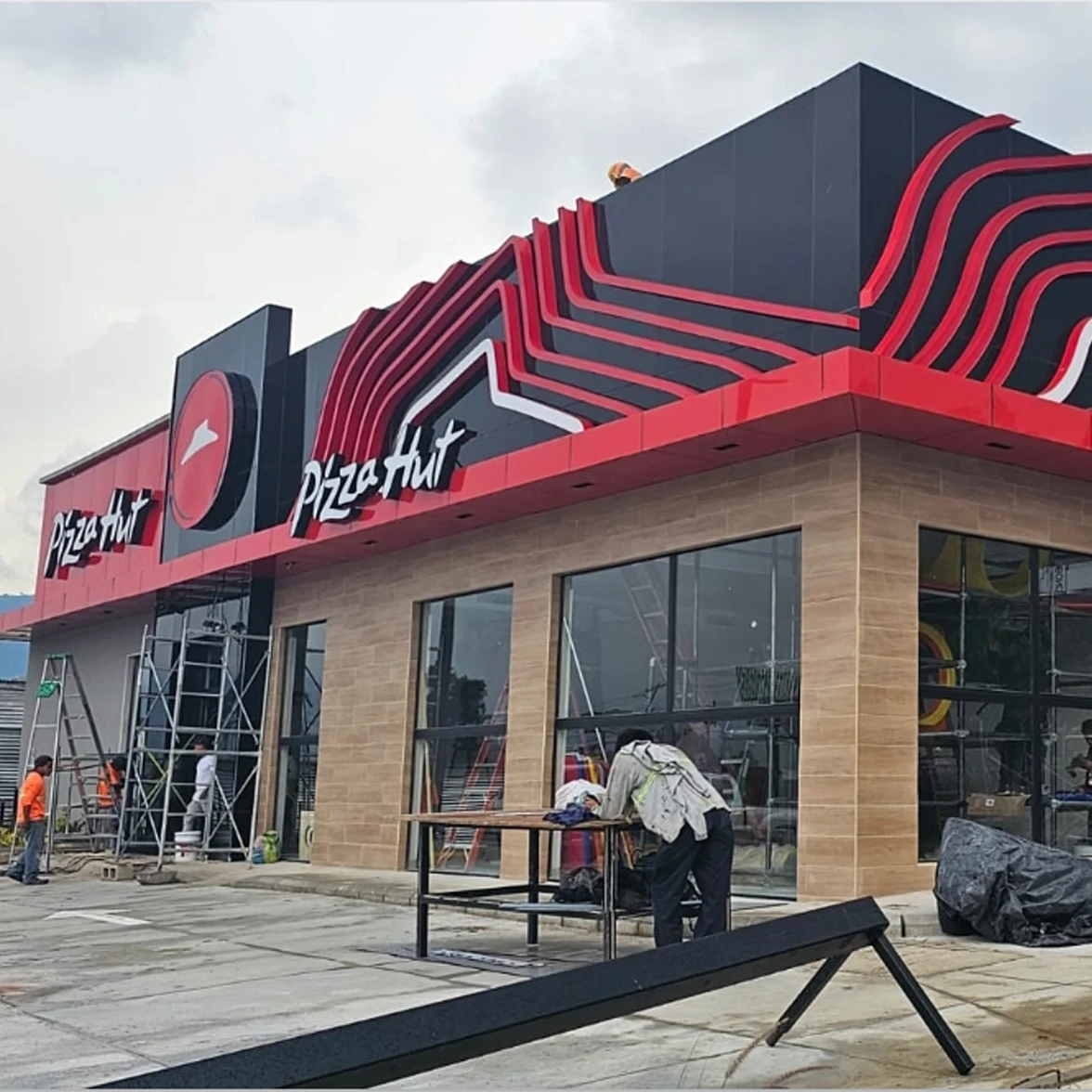
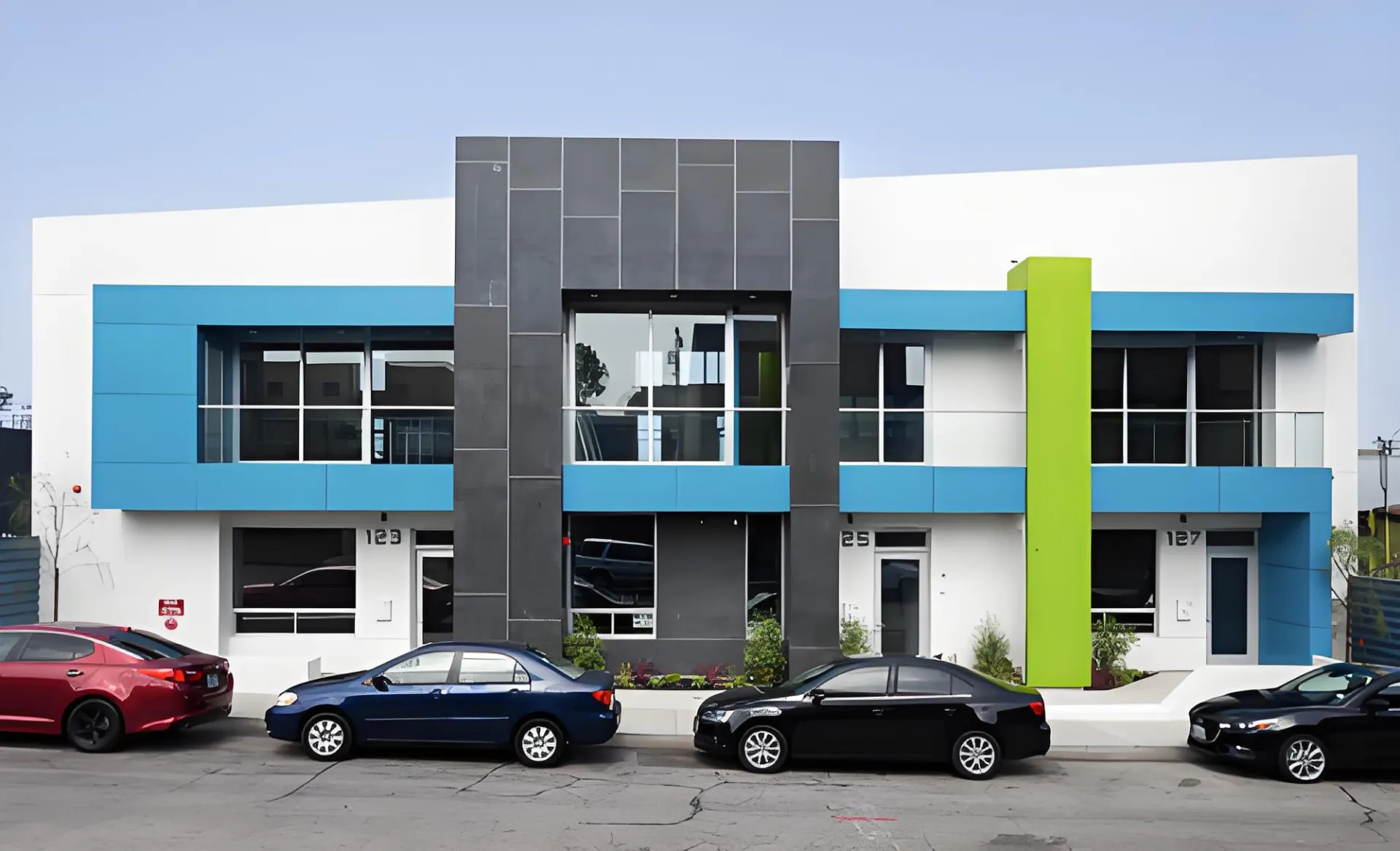
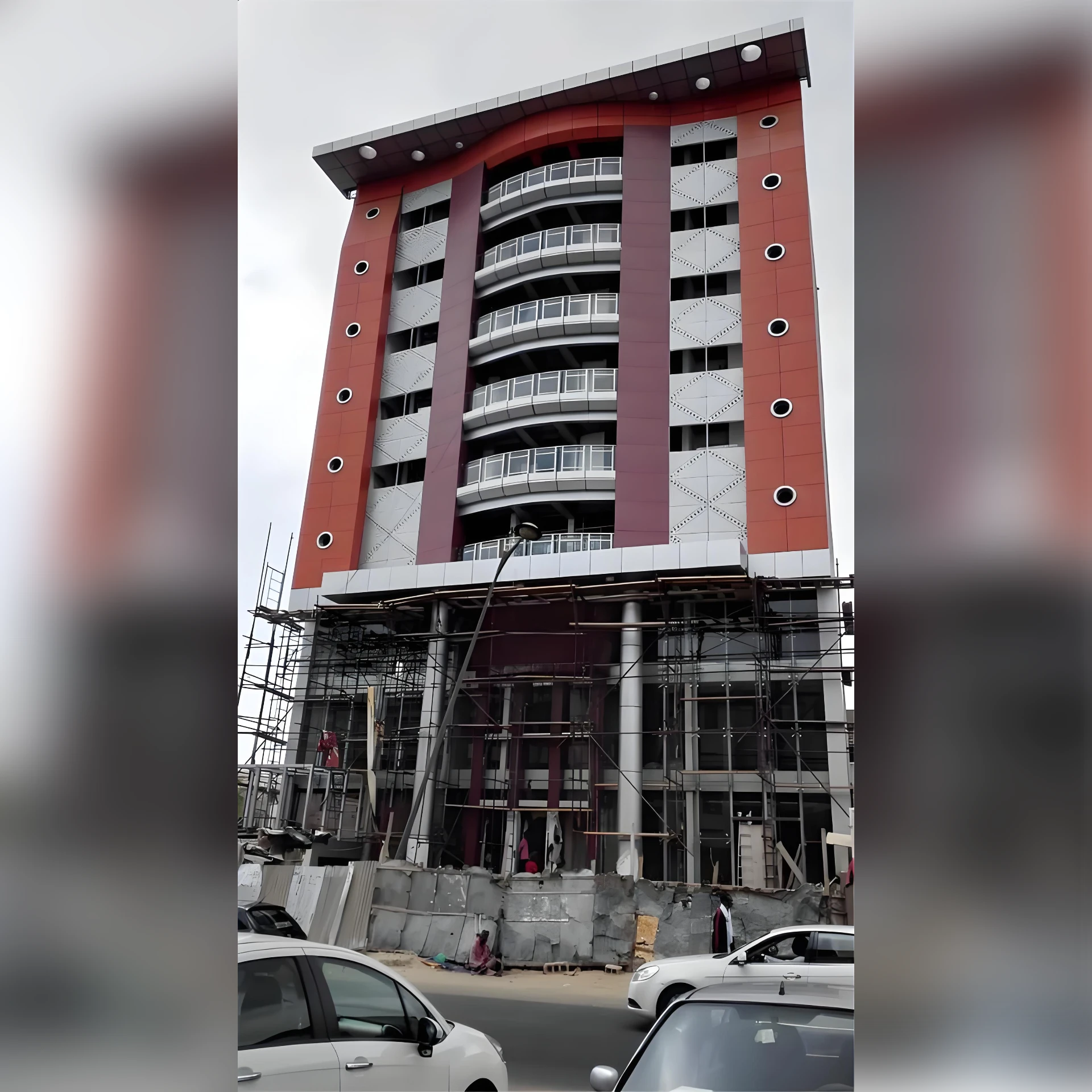
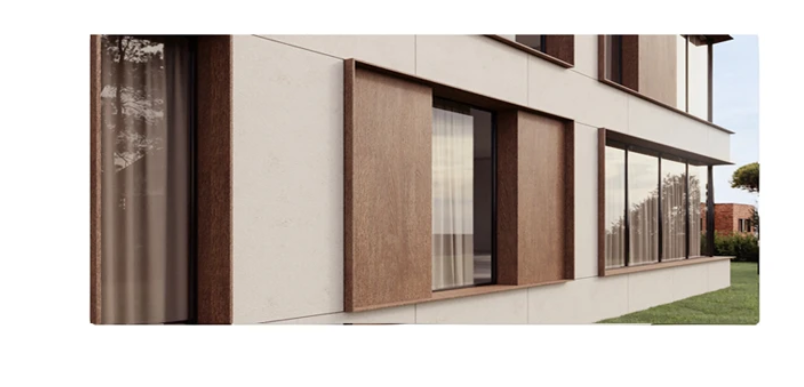
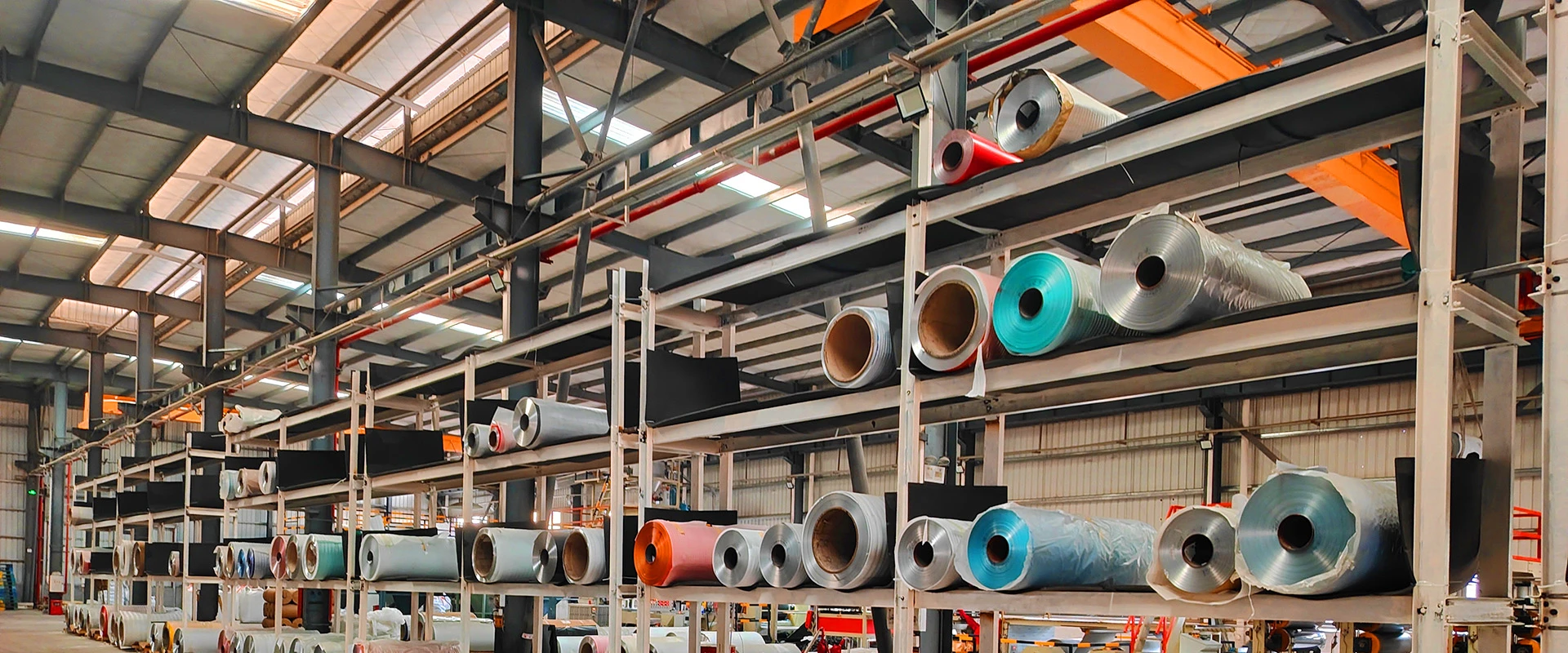
Aluminium cladding building is the practice of enveloping a structure's exterior with aluminum panels or systems. It's more than decoration; it's a functional rainscreen that manages weather, improves thermal performance, and defines architectural form. The benefits of
bini tal-kisi tal-aluminju are comprehensive: it provides exceptional
weather resistance, standing up to decades of UV exposure, rain, and pollution without fading or corroding. It is
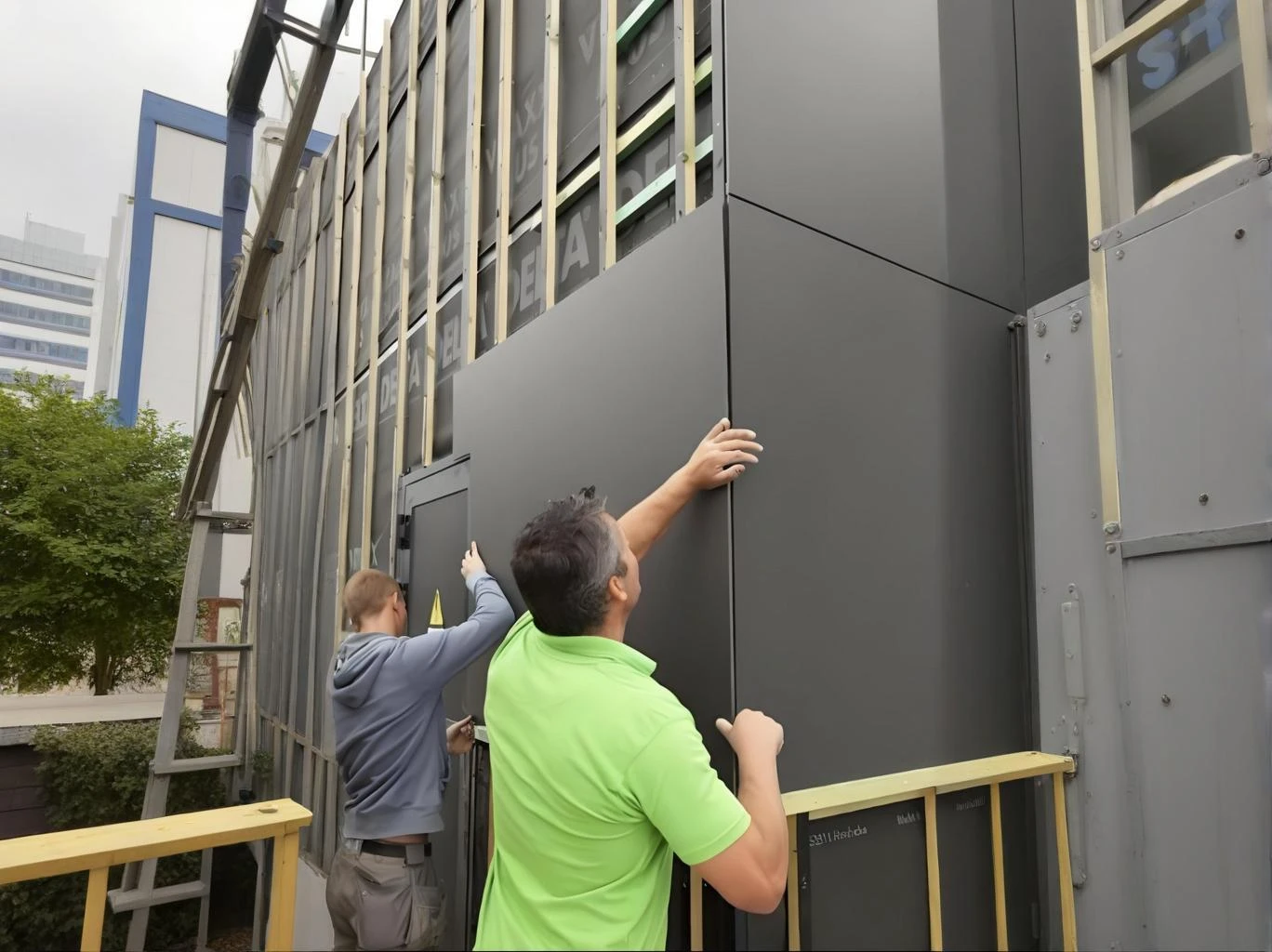
lightweight, reducing load on the building's structure and simplifying installation. It offers
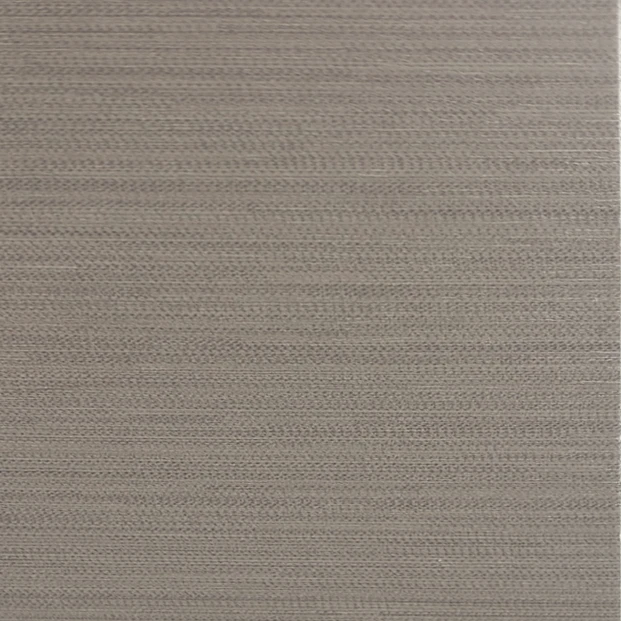
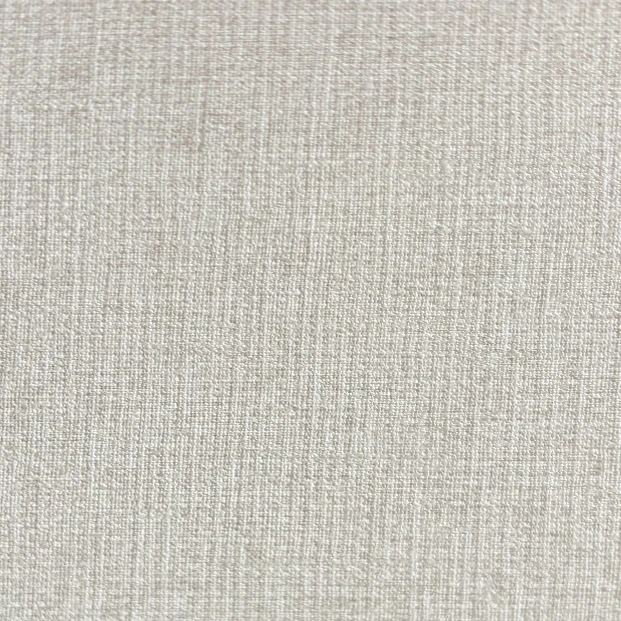
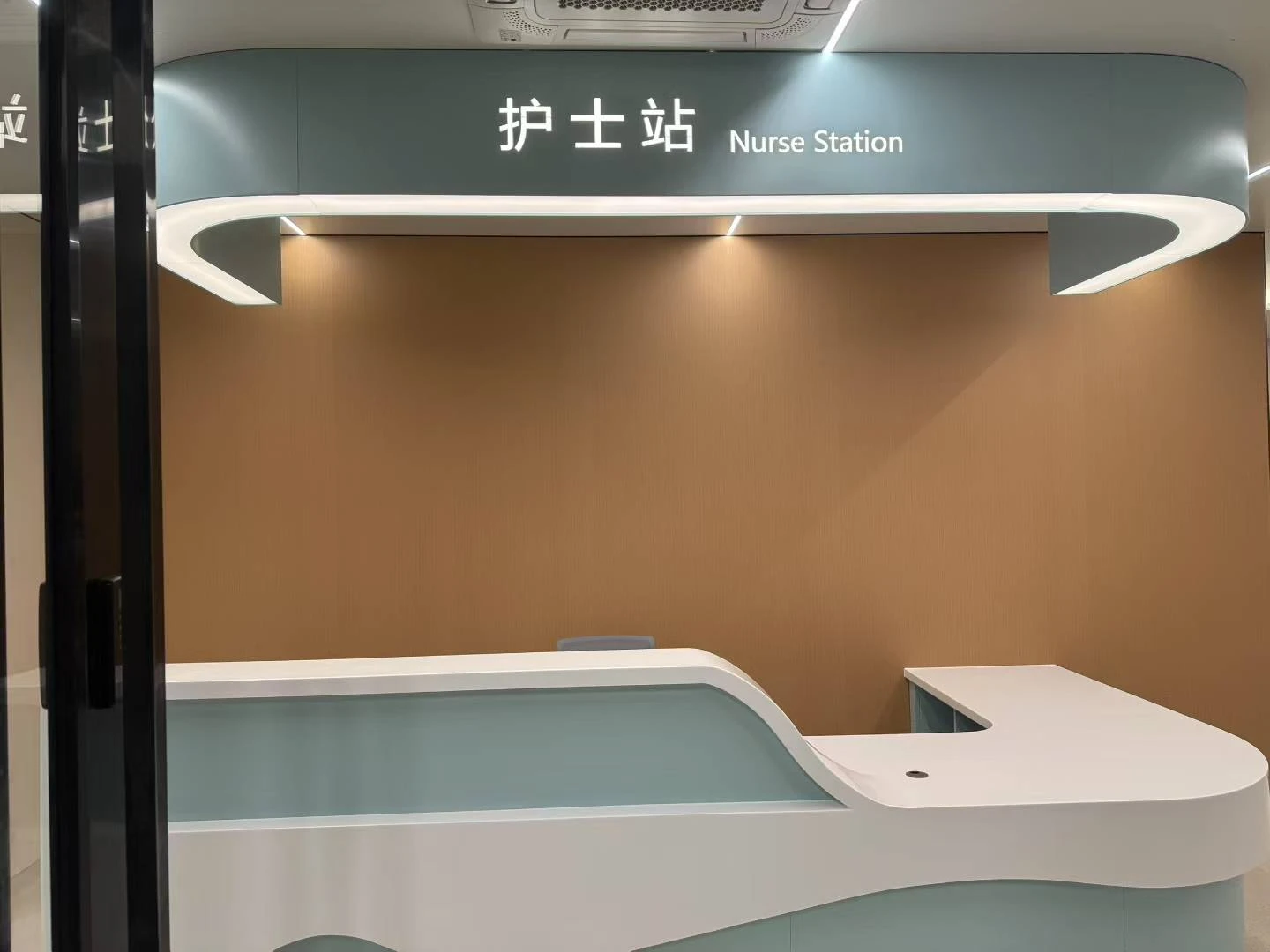
unmatched design versatility, available in an infinite spectrum of colors, finishes (metallic, matte, glossy), and textures (including stone, wood, and 3D forms). From sleek corporate towers to cultural landmarks,
bini tal-kisi tal-aluminju enables architects to realize bold, contemporary visions that are also practical and long-lasting.
Engineered for Performance: Precision of Aluminium Facade Cladding Panels
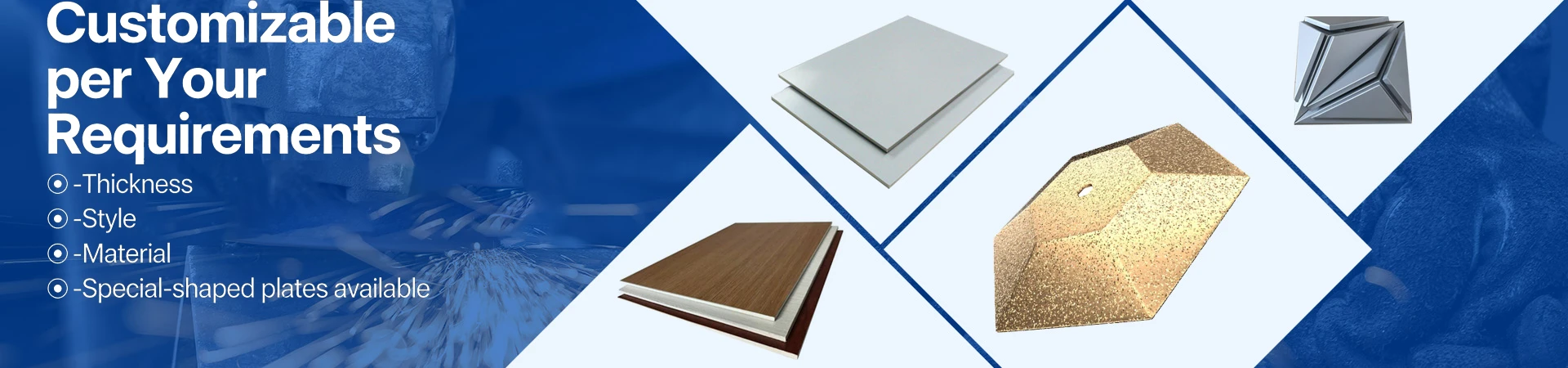
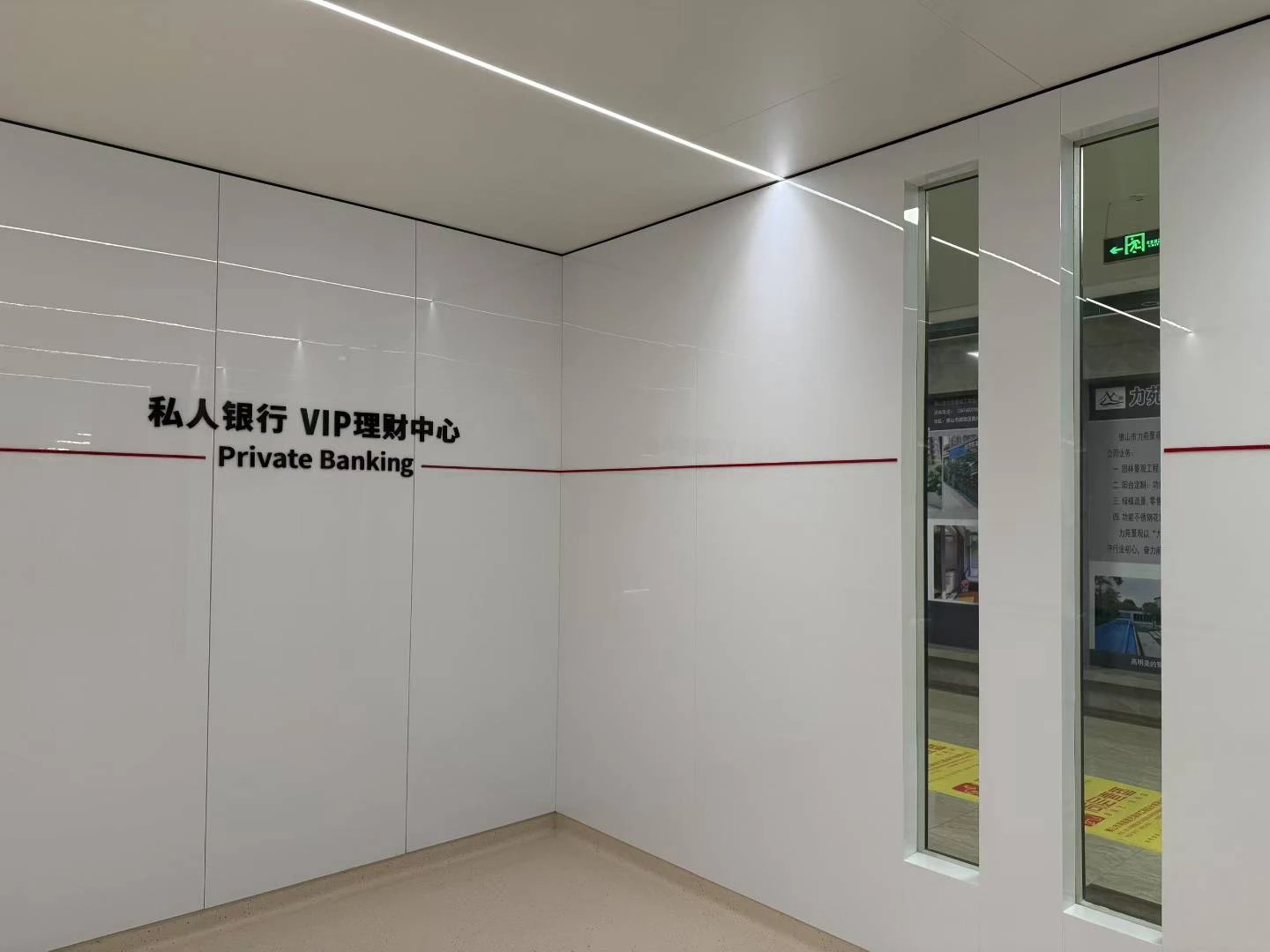
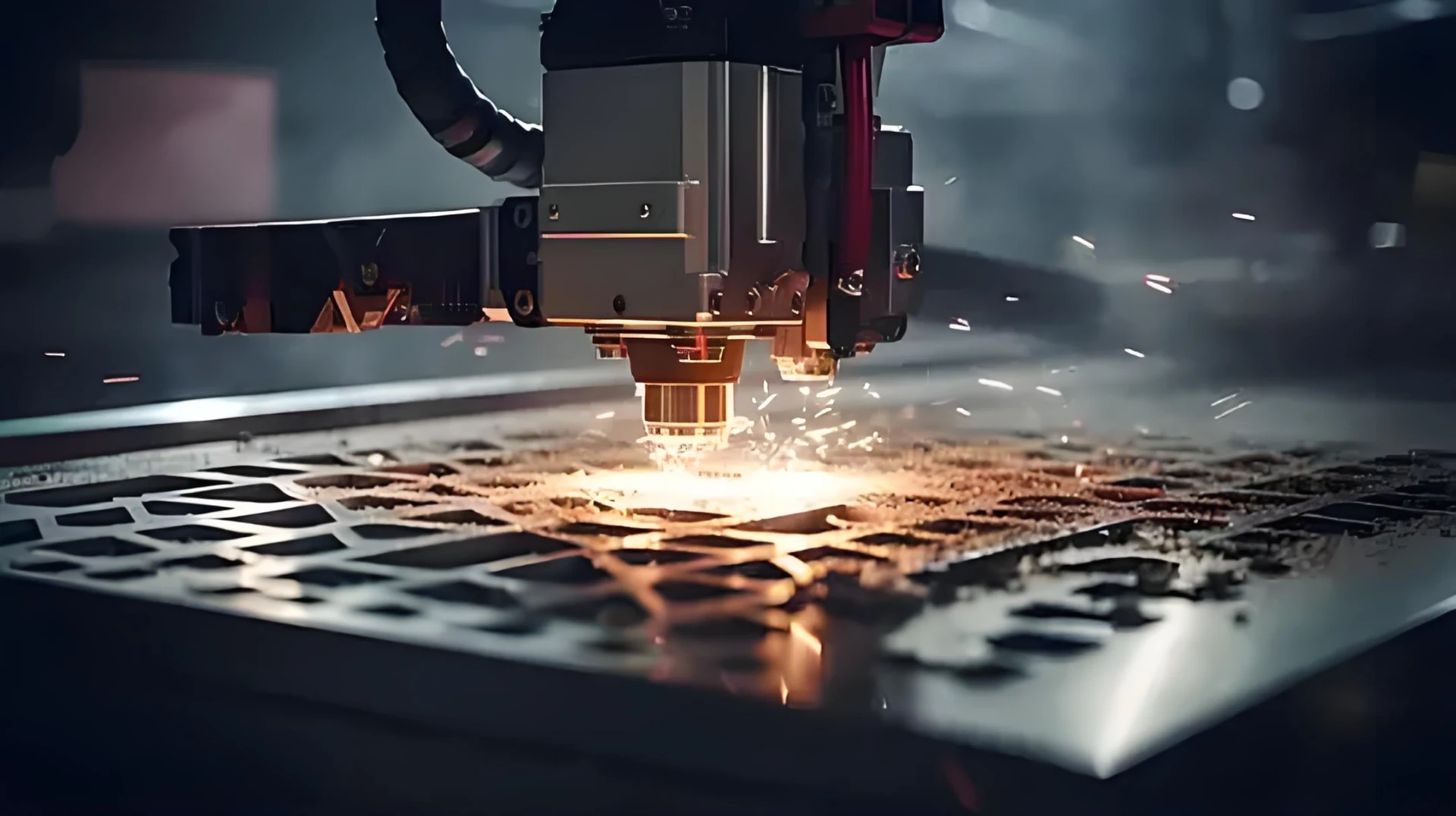
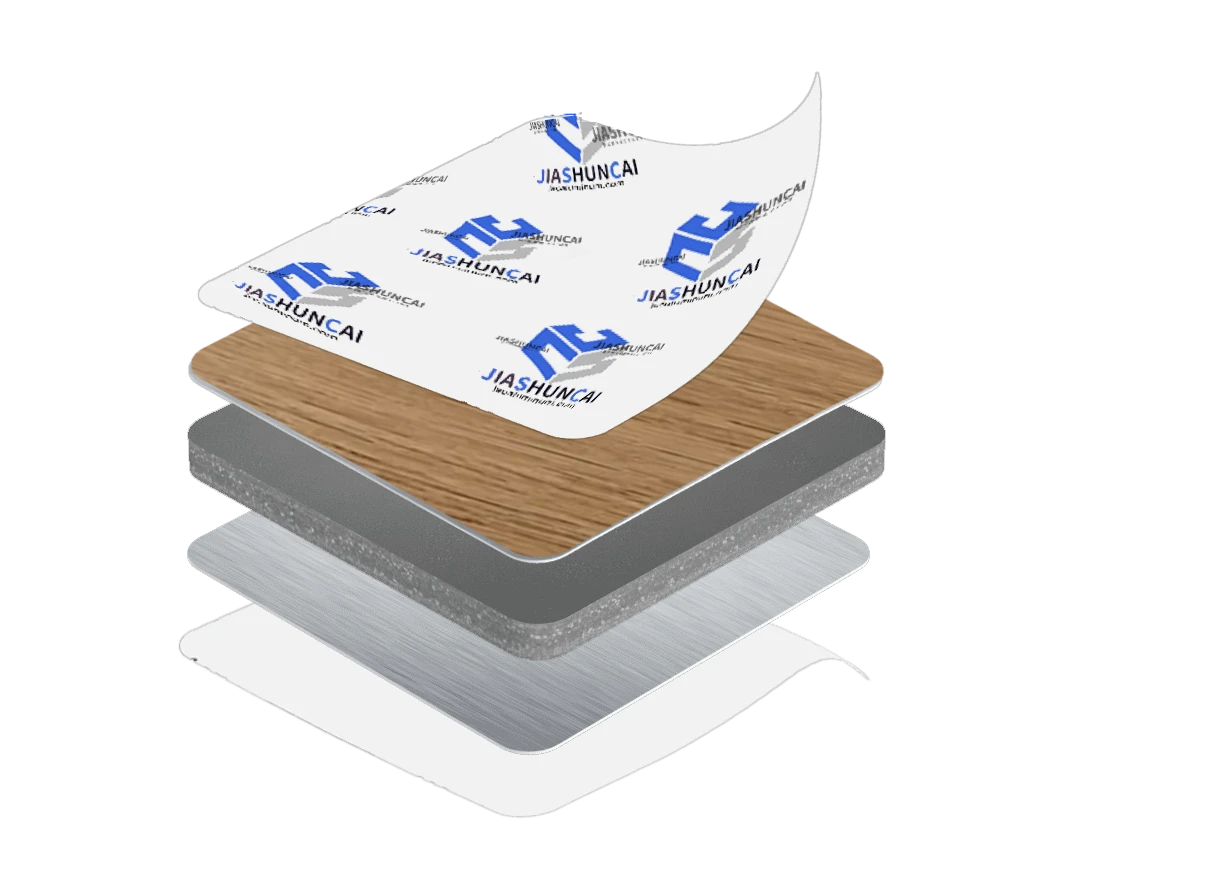
Aluminium facade cladding panels are the engineered components that make up the building's exterior membrane. These are not simple sheets; they are precisely fabricated systems. Common types include Aluminum Composite Panels (ACP/ACM) for flat, seamless expanses; Aluminum Cassette Panels for a robust, mechanical fix system; and Aluminum Louver Panels for solar shading. Each aluminium facade cladding panel is fabricated to exact dimensions, with formed edges for secure fixing and integrated drainage pathways. They are coated with high-performance finishes like PVDF (Polyvinylidene Fluoride), which guarantees color stability and chalk resistance for over 20 years. The precision engineering of pannelli tal-kisi tal-faċċata tal-aluminju ensures they perform as a cohesive system, managing wind loads, thermal movement, and water penetration while creating a flawless aesthetic.
Dynamic & Transparent: The Innovation of Aluminium Mesh Cladding
Aluminium mesh cladding introduces a layer of texture, depth, and semi-transparency to building envelopes. It consists of woven or expanded aluminum wires or strips, formed into flexible sheets or rigid panels. Aluminium mesh cladding serves multiple functions: as a sunscreen, reducing solar heat gain while allowing diffused light and views; as a ventilated rainscreen, improving airflow and building physics; and as a decorative veil, creating dramatic visual effects of solidity and openness that change with the viewer's perspective and light conditions. It is used to wrap entire buildings, create feature screens, or conceal service areas. The innovation of kisi tal-malja tal-aluminju lies in its ability to provide shade, ventilation, and security without creating visual bulk, adding a dynamic, kinetic quality to static structures.
The Complete System: Elegance of the Aluminium Panel Facade
An
faċċata tal-pannell tal-aluminju refers to the complete, integrated exterior wall system built primarily from aluminum panels. It represents the holistic approach to modern cladding. A high-performance
faċċata tal-pannell tal-aluminju system includes: the
aluminum panels themselves; a
substructure (rails and brackets) that creates a ventilated cavity;
insulation within the cavity; and
seals and fixings. This rainscreen principle is key: the outer
faċċata tal-pannell tal-aluminju acts as a first barrier against weather, while the cavity behind allows moisture to drain and air to circulate, protecting the building structure and improving energy efficiency. The result is an
faċċata tal-pannell tal-aluminju that is not just a surface, but a smart, durable, and maintainable building envelope system that enhances the building's performance and longevity.
Transforming architectural concepts into enduring reality requires a partner with manufacturing excellence, technical expertise, and creative vision. We are that partner. We are a leading supplier dedicated to providing innovative aluminum solutions for the global architecture and construction industry. We specialize in the fabrication and supply of high-performance
pannelli tal-kisi tal-faċċata tal-aluminju and complete
faċċata tal-pannell tal-aluminju systems. Our extensive product range meets the needs of any project, from standard cassette panels to custom 3D forms and sophisticated
kisi tal-malja tal-aluminju. We utilize only premium alloys and top-tier coatings (PVDF, Nano, Anodized) to ensure unmatched durability and aesthetics. From initial design support to on-site technical assistance, we collaborate closely with architects, consultants, and contractors to deliver
bini tal-kisi tal-aluminju solutions that are visionary, buildable, and built to last.
Ready to clad your next project in a material that offers limitless possibilities, proven resilience, and sustainable performance? Partner with us to turn your design ambition into architectural landmark.
Visit our website to explore our comprehensive portfolio of pannelli tal-kisi tal-faċċata tal-aluminju and systems. Download BIM objects, technical data sheets, and specification guides. Contact our architectural team for a project-specific consultation. Share your design intent, performance requirements, and challenges. We will provide tailored solutions, from material selection for an kisi tal-malja tal-aluminju feature to the engineering of a complete faċċata tal-pannell tal-aluminju system. Request physical samples and project case studies to see and feel the quality that defines our work.
Choose the partner that architects specify with confidence. Build with aluminum. Build with innovation. Build with us. Click to connect and start the conversation about your project’s facade.
Aluminum Cladding FAQs
What are the key benefits of choosing bini tal-kisi tal-aluminju over other materials?
Aluminium cladding building offers a unique combination of lightweight strength, exceptional durability (corrosion-resistant), total design freedom (any color, shape, finish), and sustainability (fully recyclable). It allows for fast installation, requires minimal maintenance, and can be engineered into highly efficient rainscreen systems that improve a building's thermal performance and longevity, often at a competitive lifecycle cost.
How does a ventilated faċċata tal-pannell tal-aluminju system work?
A ventilated faċċata tal-pannell tal-aluminju is a "rainscreen" system. The outer aluminum panels are fixed to a sub-frame, creating an air cavity between the cladding and the building's insulation/wall. This cavity is open at the bottom and top. It allows: 1) Pressure equalization to minimize water drive-through, 2) Continuous drainage of any moisture that penetrates joints, and 3) Air circulation that dries the cavity and reduces heat buildup. This system protects the building structure and enhances energy efficiency.
What is the typical lifespan of pannelli tal-kisi tal-faċċata tal-aluminju?
High-quality pannelli tal-kisi tal-faċċata tal-aluminju with a PVDF coating have a proven service life exceeding 25-30 years with minimal loss of color or gloss. The aluminum substrate itself does not corrode. The lifespan is contingent on using the correct alloy, a premium coating applied to specification, proper system design to handle structural and thermal movement, and professional installation.
Jista' kisi tal-malja tal-aluminju be used for security purposes?
Iva, kisi tal-malja tal-aluminju can serve a security function while remaining architecturally expressive. Heavier gauge woven meshes or perforated panels can be used to create robust, ventilated enclosures for parking garages, equipment screens, or as anti-graffiti barriers. It provides a see-through barrier that deters intrusion without the oppressive look of solid walls, maintaining light and airflow.
Are aluminum cladding systems sustainable?
Absolutely. Aluminum is infinitely recyclable without loss of quality, and recycling it requires only 5% of the energy used for primary production. Modern faċċata tal-pannell tal-aluminju systems are designed for disassembly, allowing panels to be replaced or recycled at the end of the building's life. Furthermore, by enabling highly insulated, ventilated facades, they significantly contribute to the energy efficiency and reduced operational carbon footprint of the building.