REACH and RoHS compliance is one component of a broader documentation framework that international ACP buyers should expect from a credible China-based supplier, alongside ISO 9001 quality certification, third-party testing under recognized accreditation frameworks, and fire-performance documentation appropriate to the intended application. Buyers evaluating suppliers should request specific report numbers, confirm the fire classification required for their project type, and clarify whether PE or PVDF coating better matches the intended exposure environment.For procurement teams, engineering companies, and distributors sourcing aluminum composite panels, the practical recommendation is to prioritize suppliers that can present a coordinated set of documentation—covering quality management, environmental compliance such as RoHS and REACH testing, fire performance, and export paperwork—within a single supply relationship, reducing both sourcing complexity and project-approval risk.
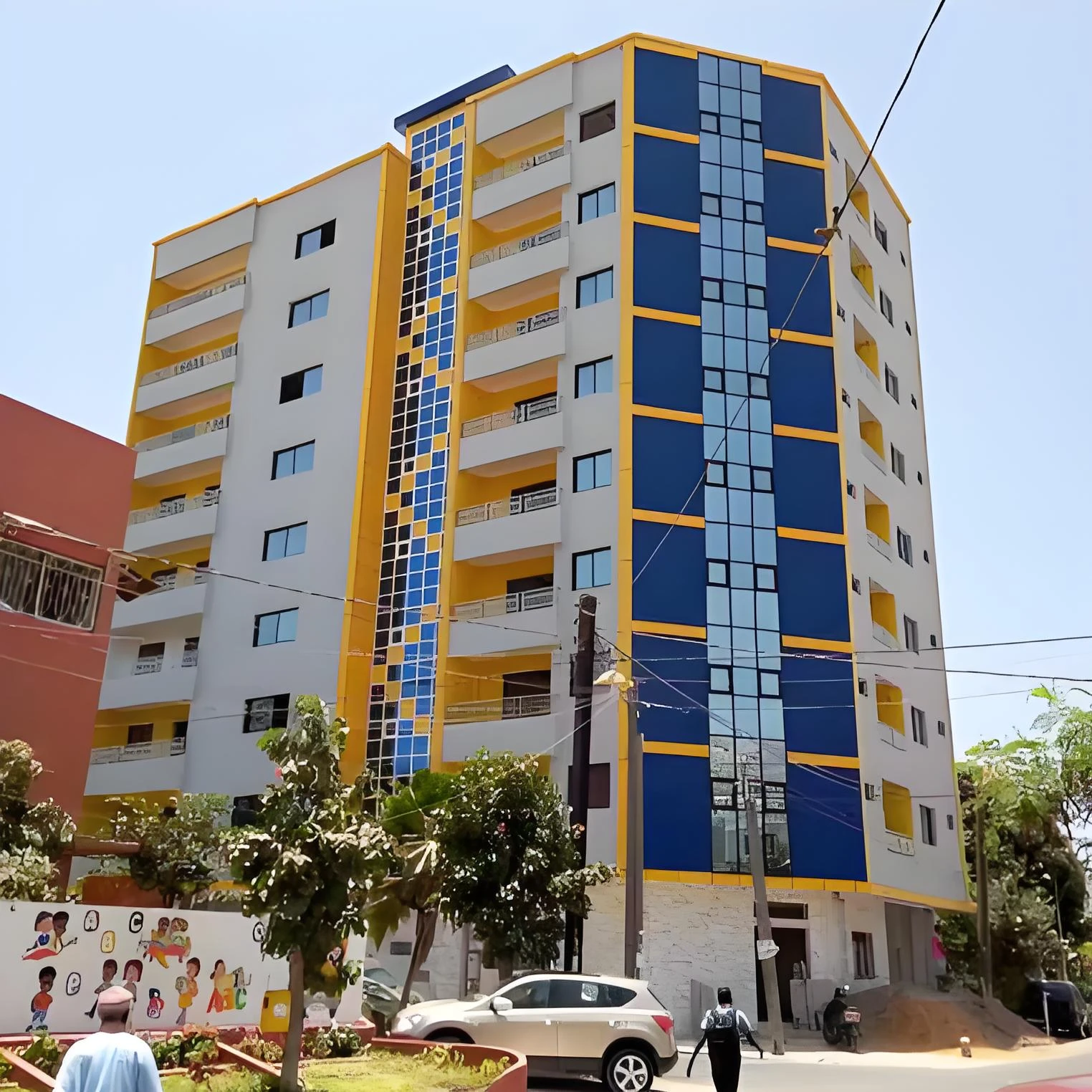
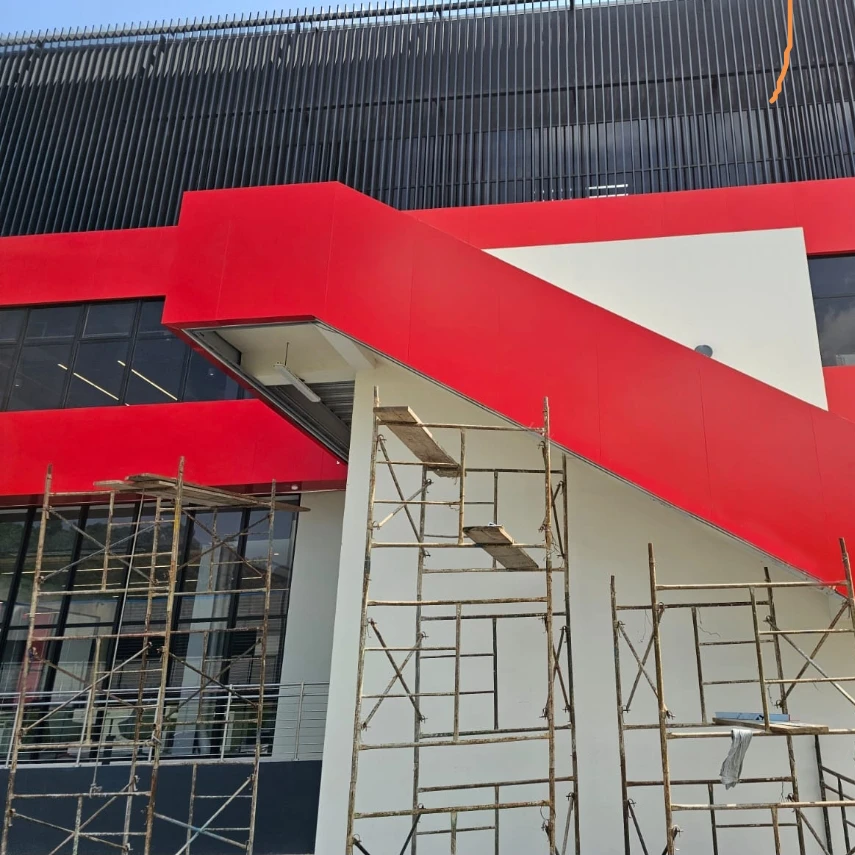
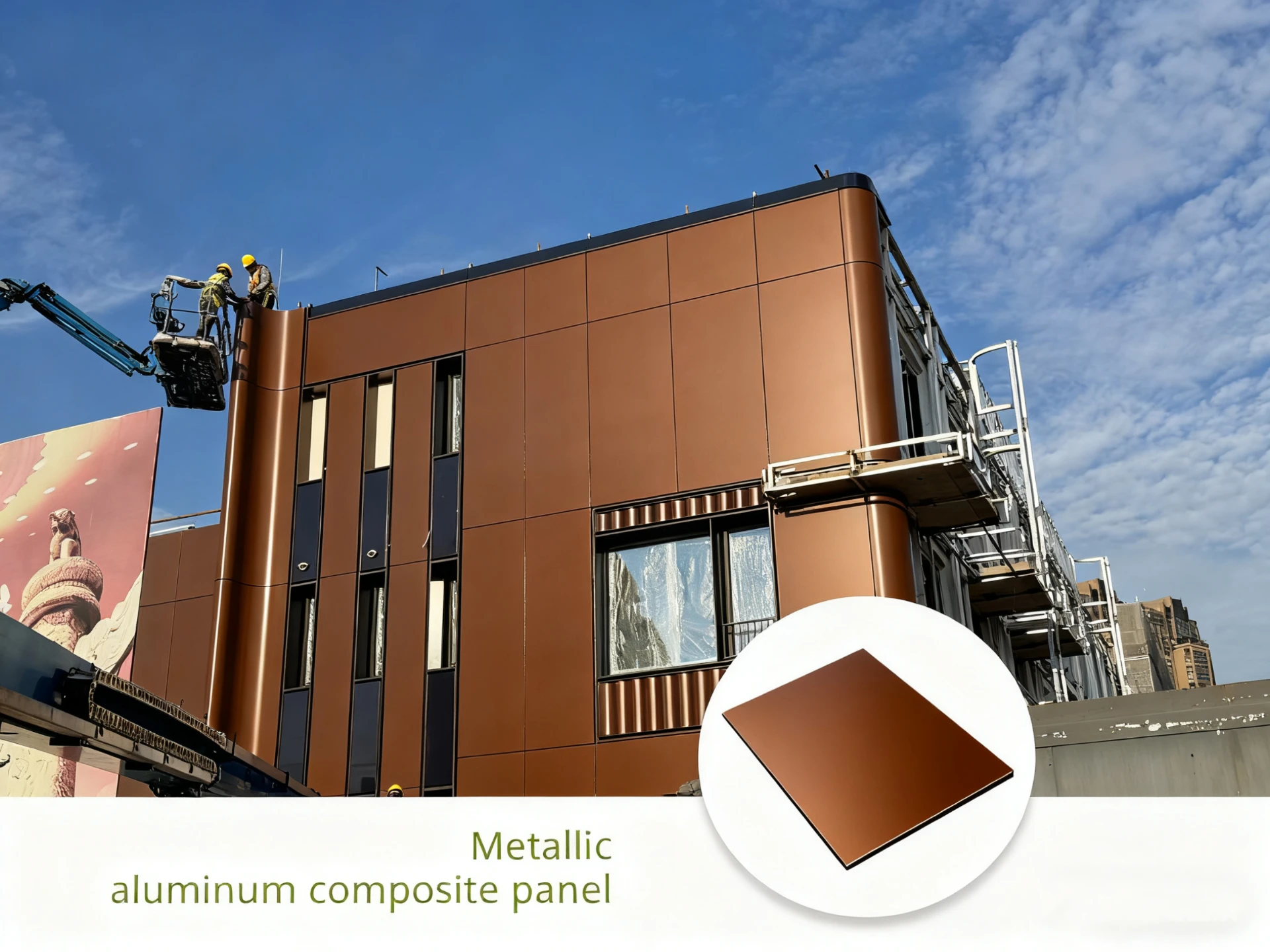
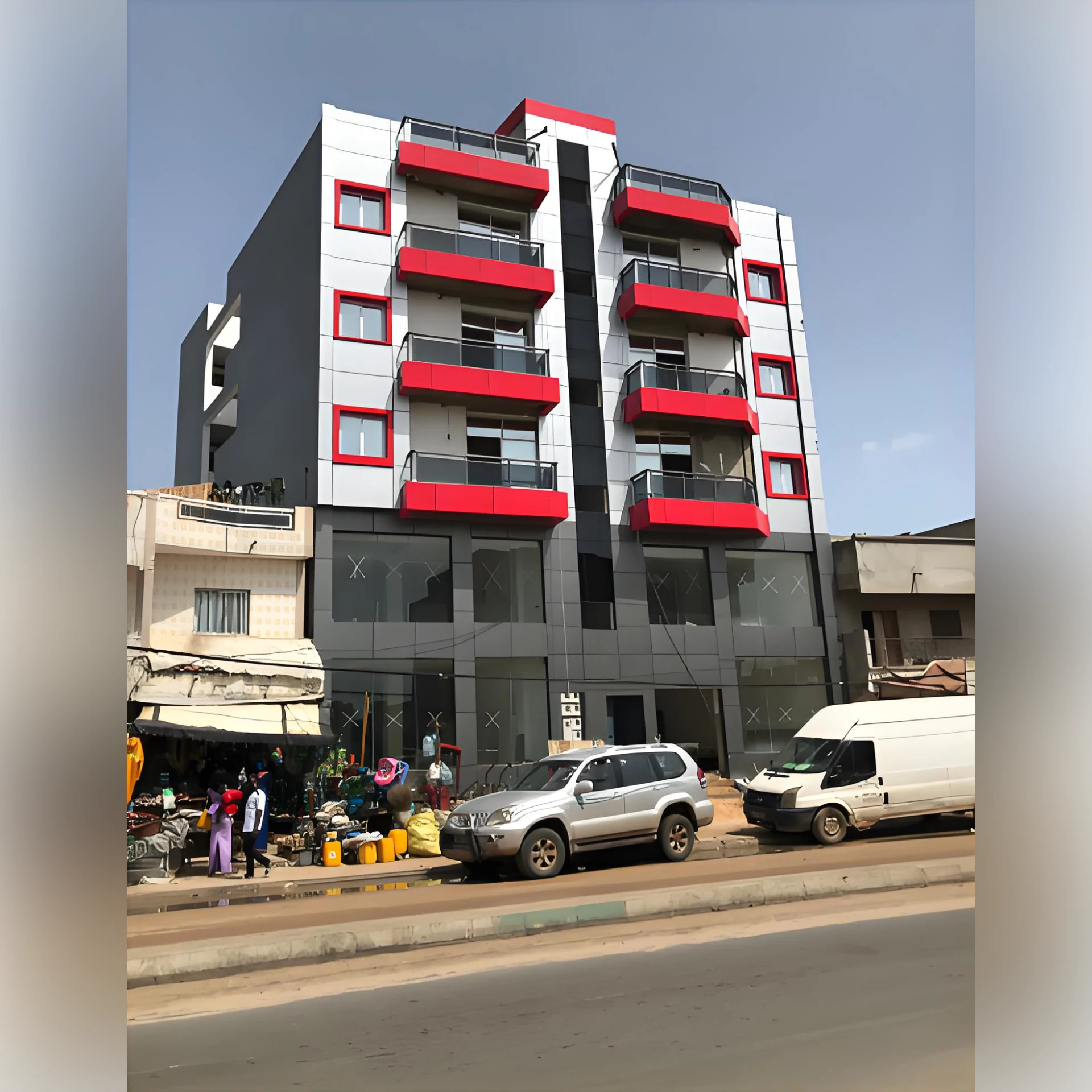
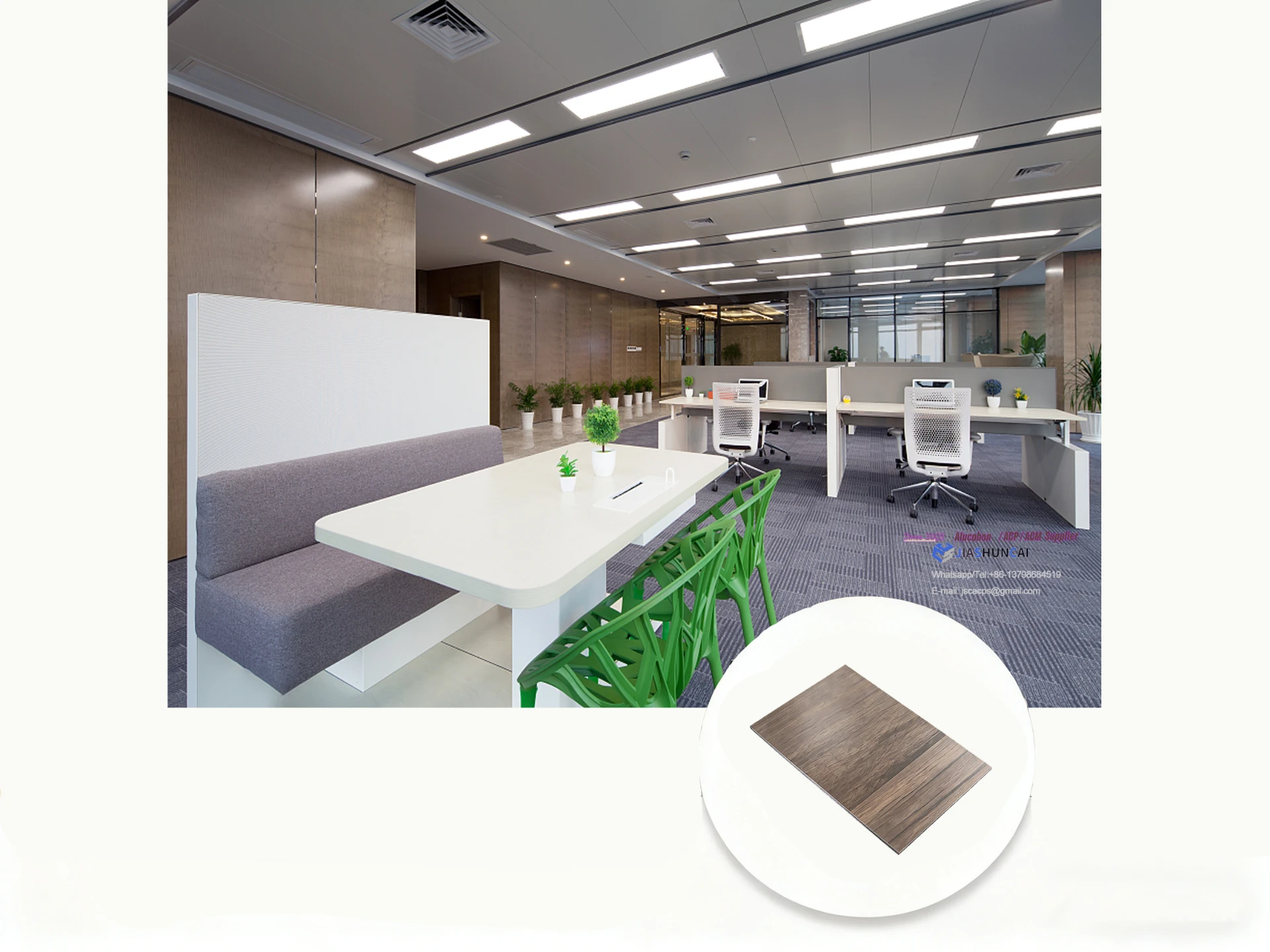
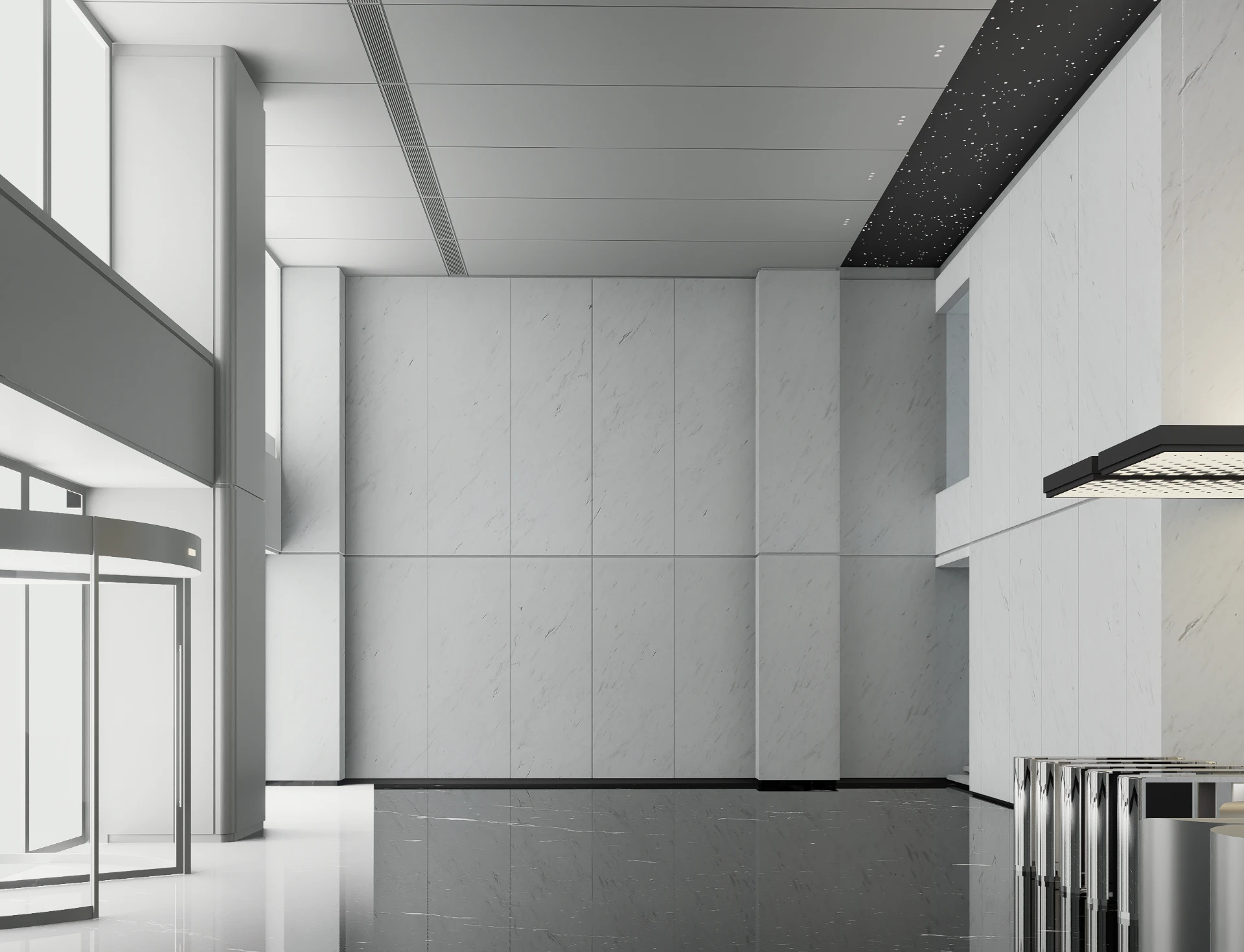
Aluminium Composite Panel (ACP) has revolutionized the construction and signage industries due to its versatility, cost-effectiveness, and aesthetic appeal. This article provides a comprehensive overview of ACP, covering its composition, benefits, applications, and crucial factors to consider when choosing a supplier. Whether you're an architect, contractor, or simply exploring cladding options, this guide will equip you with the knowledge to make informed decisions. ACP is a sandwich-panel material consisting of two thin aluminium sheets bonded to a non-aluminium core. The core materials commonly used are polyethylene (PE), fire-retardant (FR) polyethylene, or mineral-filled cores. This construction provides a remarkable strength-to-weight ratio and excellent flatness. ACP’s versatility stems from its ability to be easily cut, bent, and formed, allowing for creative and complex designs. ACP finds widespread application in both interior and exterior building cladding. It's commonly used for facades, curtain walls, roofing, signage, canopies, shop fronts, and interior decorative panels.
Fire-rated aluminum composite material selection is a documentation-driven process as much as a product decision. Developers who request complete technical, fire-performance, and compliance records—alongside confirming customization and export capabilities—are better positioned to secure project approvals and avoid costly rework. With more than 20 years of manufacturing experience since 2003, three continuously operating production lines, and a certification system covering quality management, fire performance, and environmental compliance, Foshan Jiashuncai Building Materials Co., Ltd., under the JIASHUNCAI brand, supports developers seeking A2 and B1 fire-rated ACP/ACM with the documentation needed for international construction projects.
For procurement teams, façade contractors, and engineering companies evaluating ACP for coastal or exterior construction, the core takeaway is that coating system selection, specification detail, and supporting documentation are inseparable from product performance. PVDF coating systems are positioned by JIASHUNCAI for exterior durability and weather resistance, while fire-rated and fire-retardant options address regulatory and classification needs where applicable.