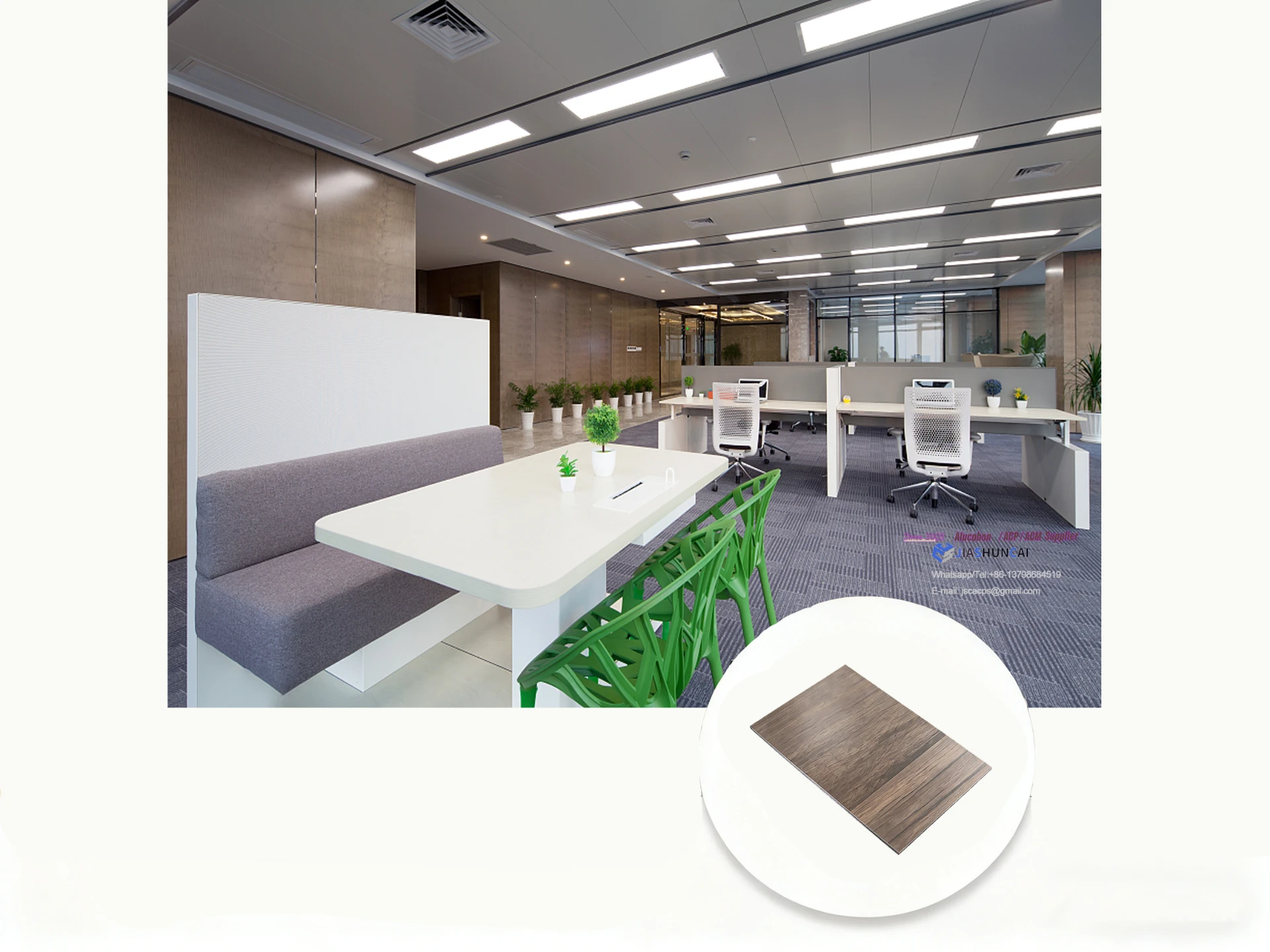
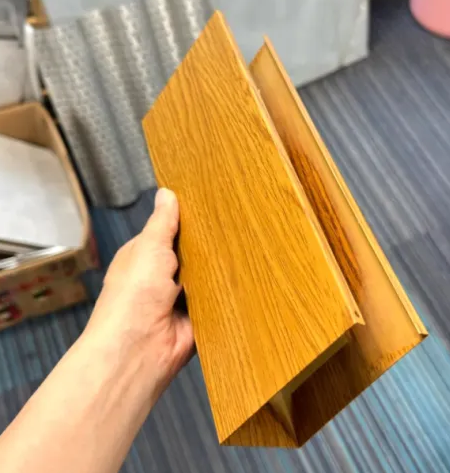
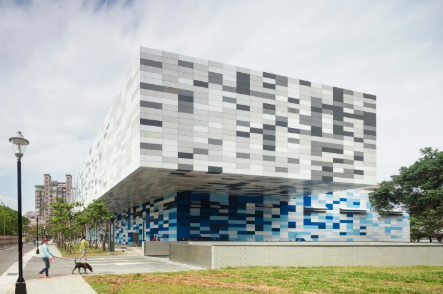
In modern architecture, aluminium ceiling board has emerged as an essential material for public and commercial spaces. Lightweight, durable, and versatile, aluminum ceilings are resistant to moisture, corrosion, and fire, making them ideal for airports, malls, offices, hospitals, and hotels
Installing the Second Crane Rail for Equipment Maintenance
Introduction: Expanding Production Capacity Step by Step
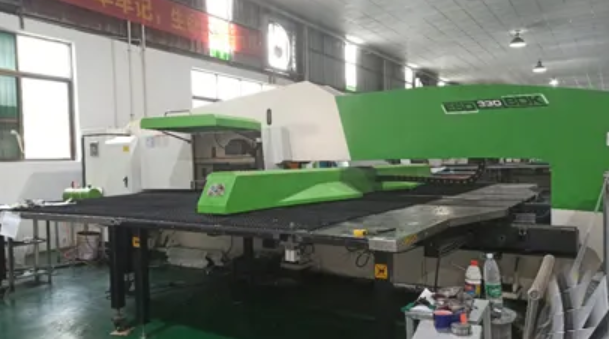
Following the successful purchase and delivery of our new Aluminum Composite Panel (ACP) production equipment, JIASHUNCAI has officially entered the next stage of factory expansion.
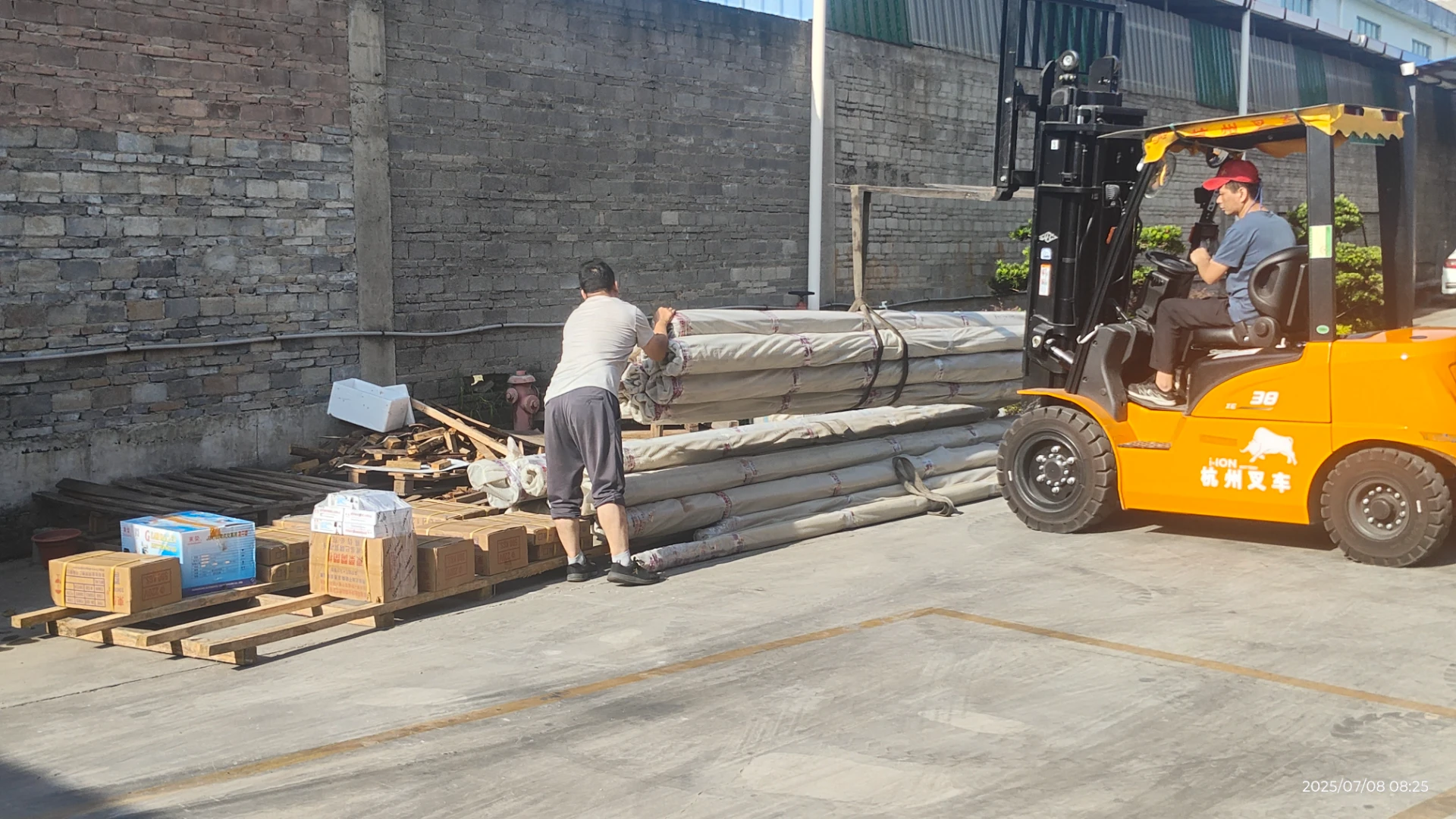
In this second update of our third ACP production line project, our team is now installing the second overhead crane rail inside the factory workshop.
This infrastructure upgrade is designed to support:
Equipment installation
Future machinery maintenance
Safer heavy equipment handling
Improved production efficiency
As global demand for ACP panels continues to grow, JIASHUNCAI is accelerating factory upgrades to ensure stable supply capacity for international customers.
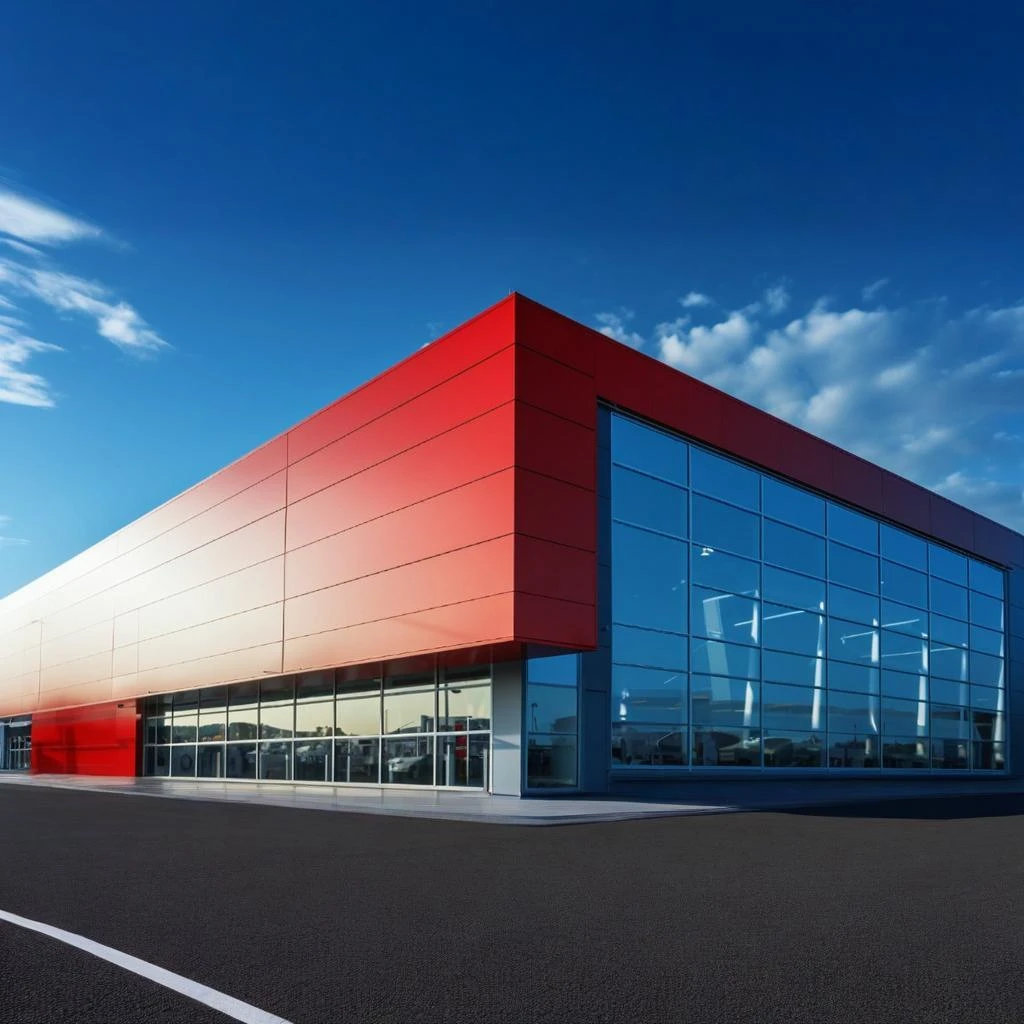
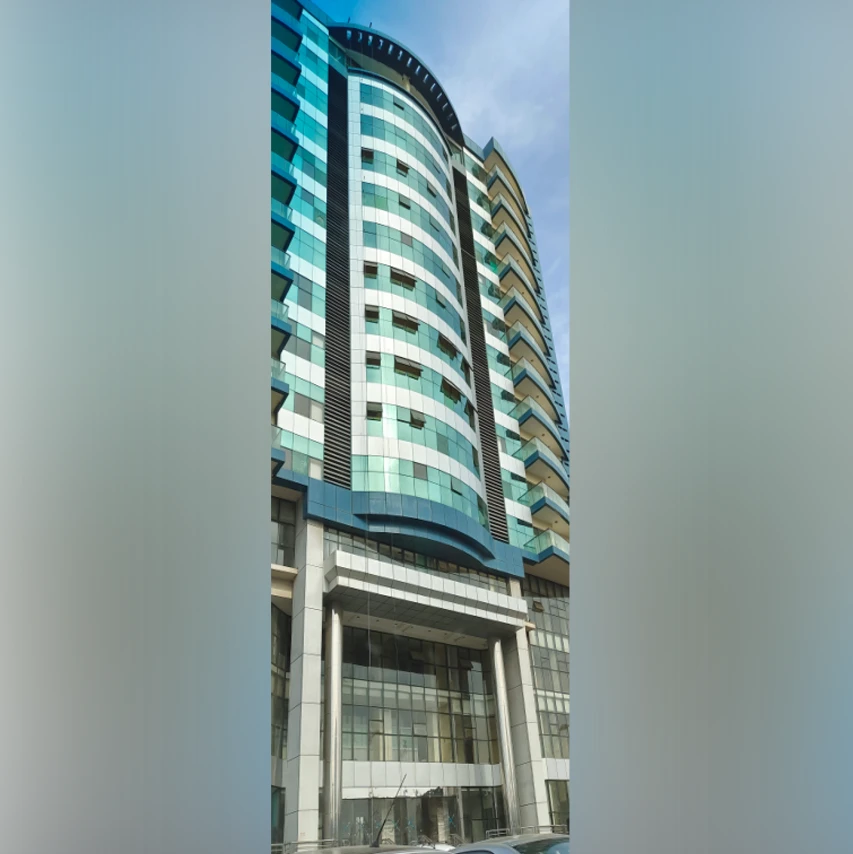
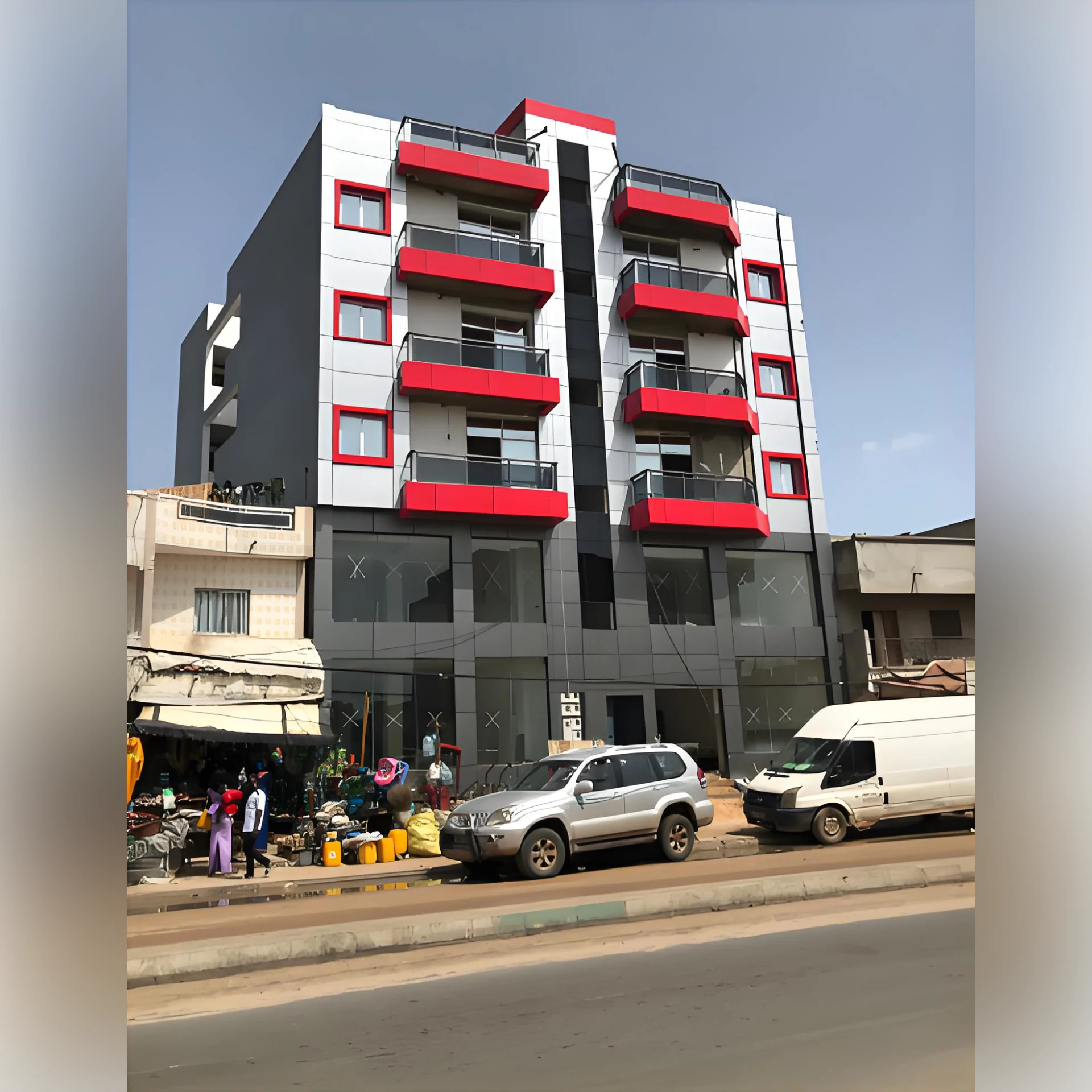
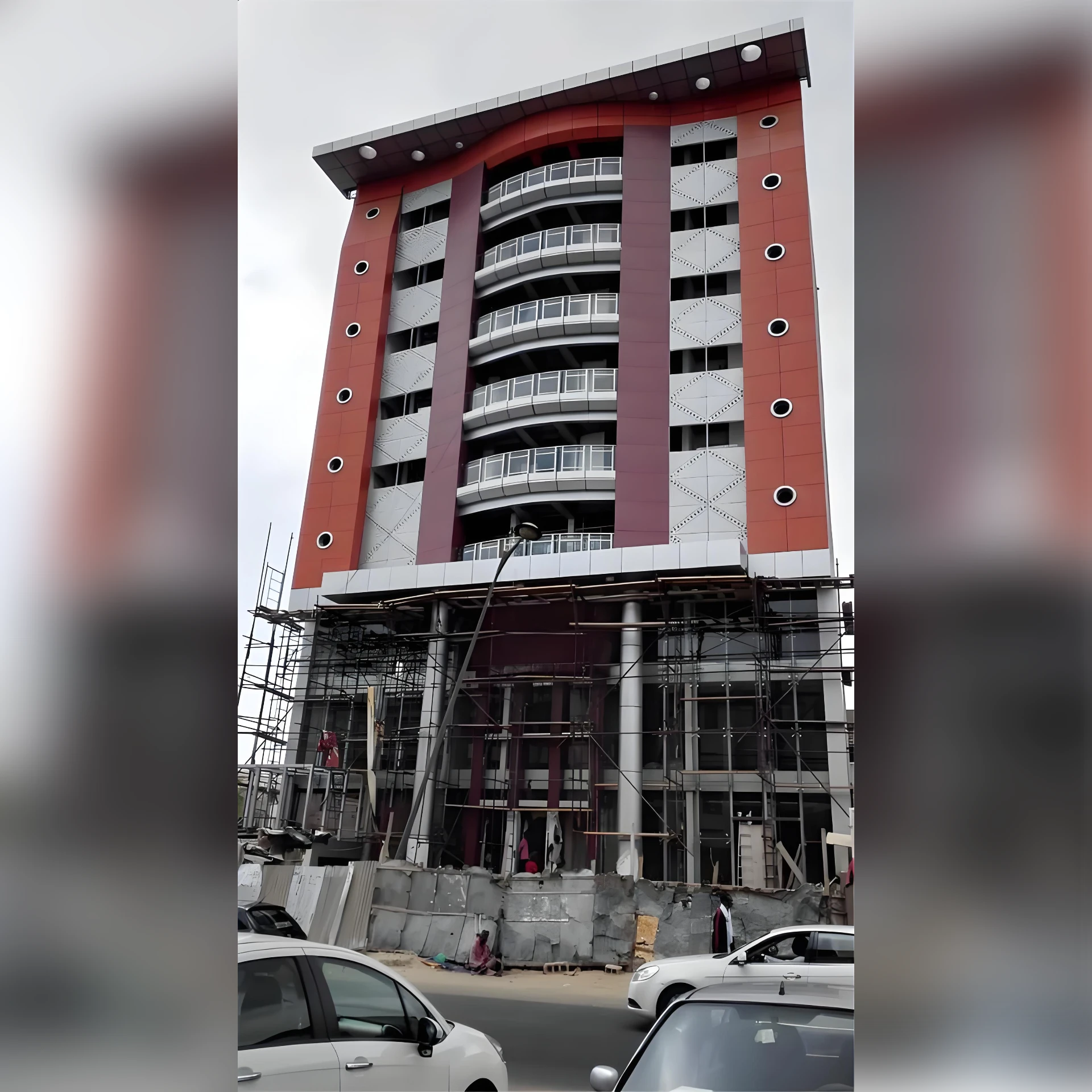
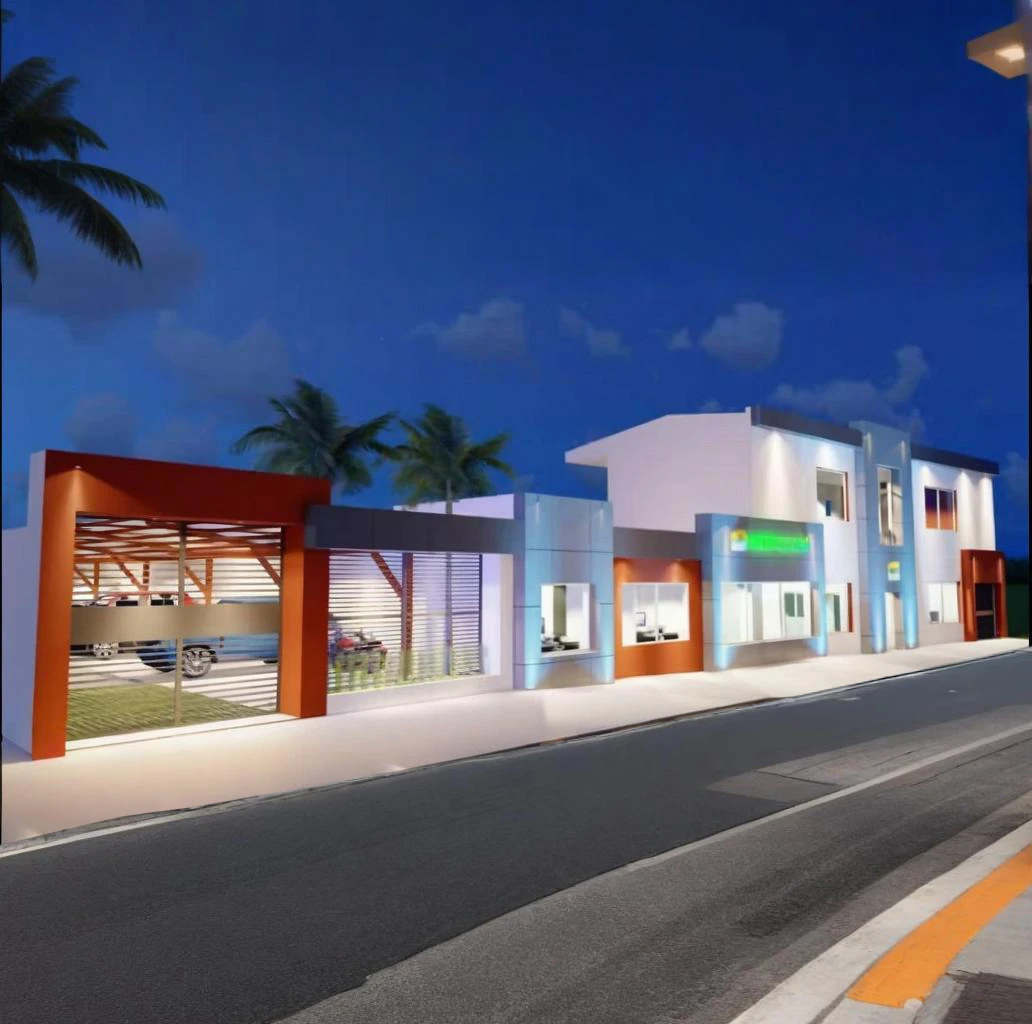
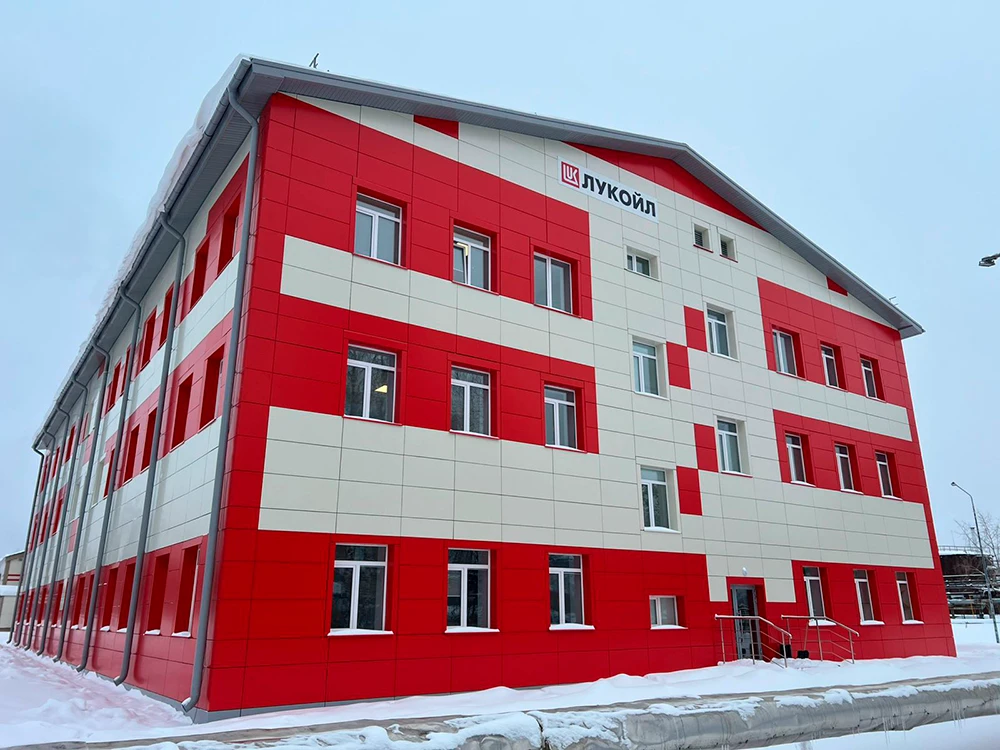
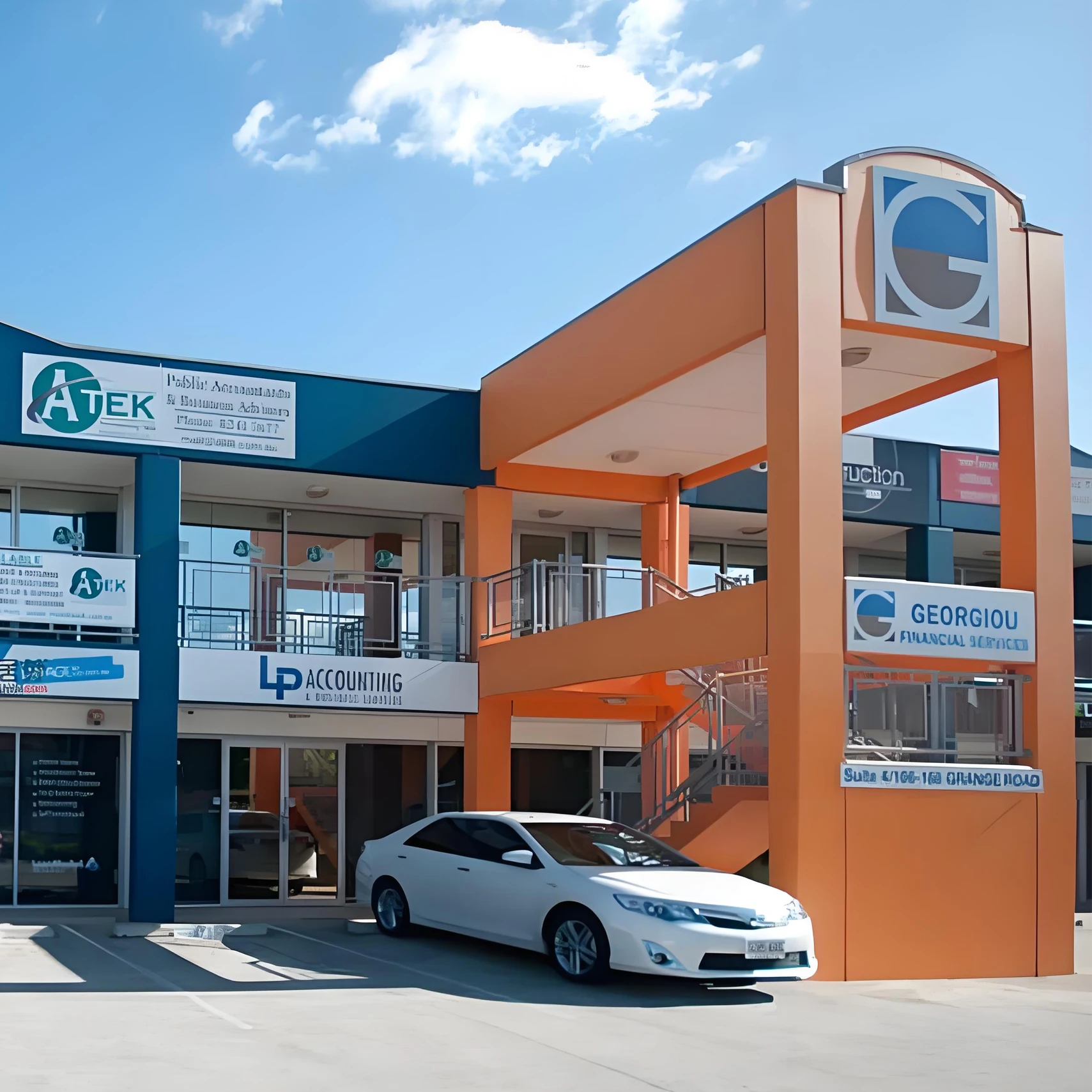
Modern architecture demands materials that are both functional and visually appealing. Aluminum composite panels provide a versatile solution for interior and exterior applications. From high-rise buildings to shopping malls, hospitals, and residential projects
Lebih 40 meter persegi dinding luar! Kilang bertanggungjawab untuk mendapatkan set pemasangan lengkap. Untuk pengeluar besar, pesanan kecil tidak terhad! Nantikan kesan selepas pemasangan.
Installing aluminium composite panel (ACP) is a popular choice for modern building facades. Known for its versatility, durability, and aesthetic appeal, ACP installation requires careful planning and execution. This guide provides a detailed overview of the process, from preparation to finishing, ensuring a successful and long-lasting installation. We will cover key considerations for both DIY enthusiasts and professional installers, focusing on best practices and industry standards. There are several installation methods for ACP, each suited to different building designs and project requirements. Common systems include wet-seal, dry-seal (cassette), and riveted systems. The wet-seal system utilizes silicone or polyurethane sealant to bond the panels to the substrate. The dry-seal system, often preferred for its ease of maintenance and replacement, employs mechanical fasteners and pressure plates. Finally, the riveted system is a more traditional method that offers a cost-effective solution, though it may be less visually seamless.