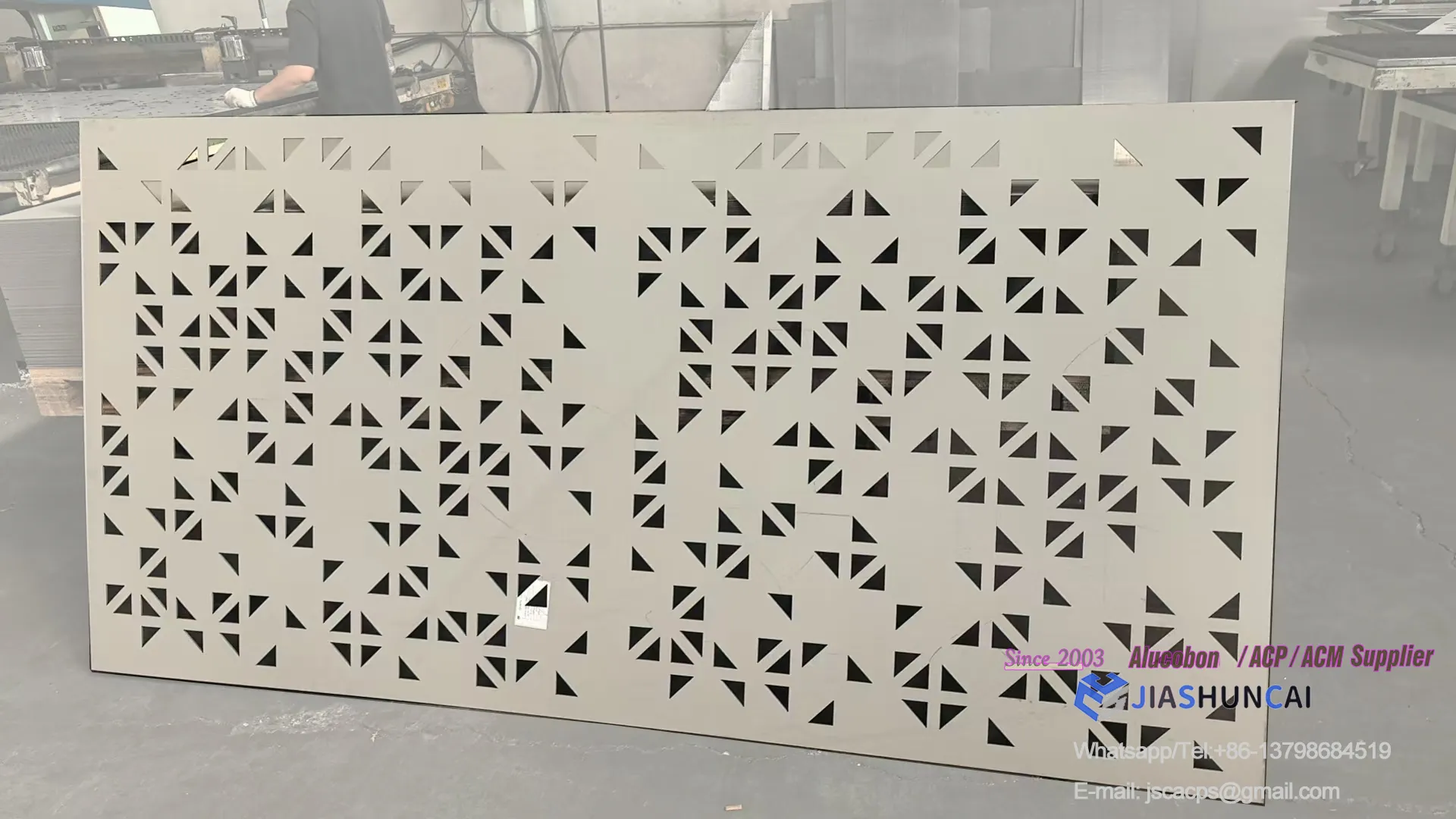
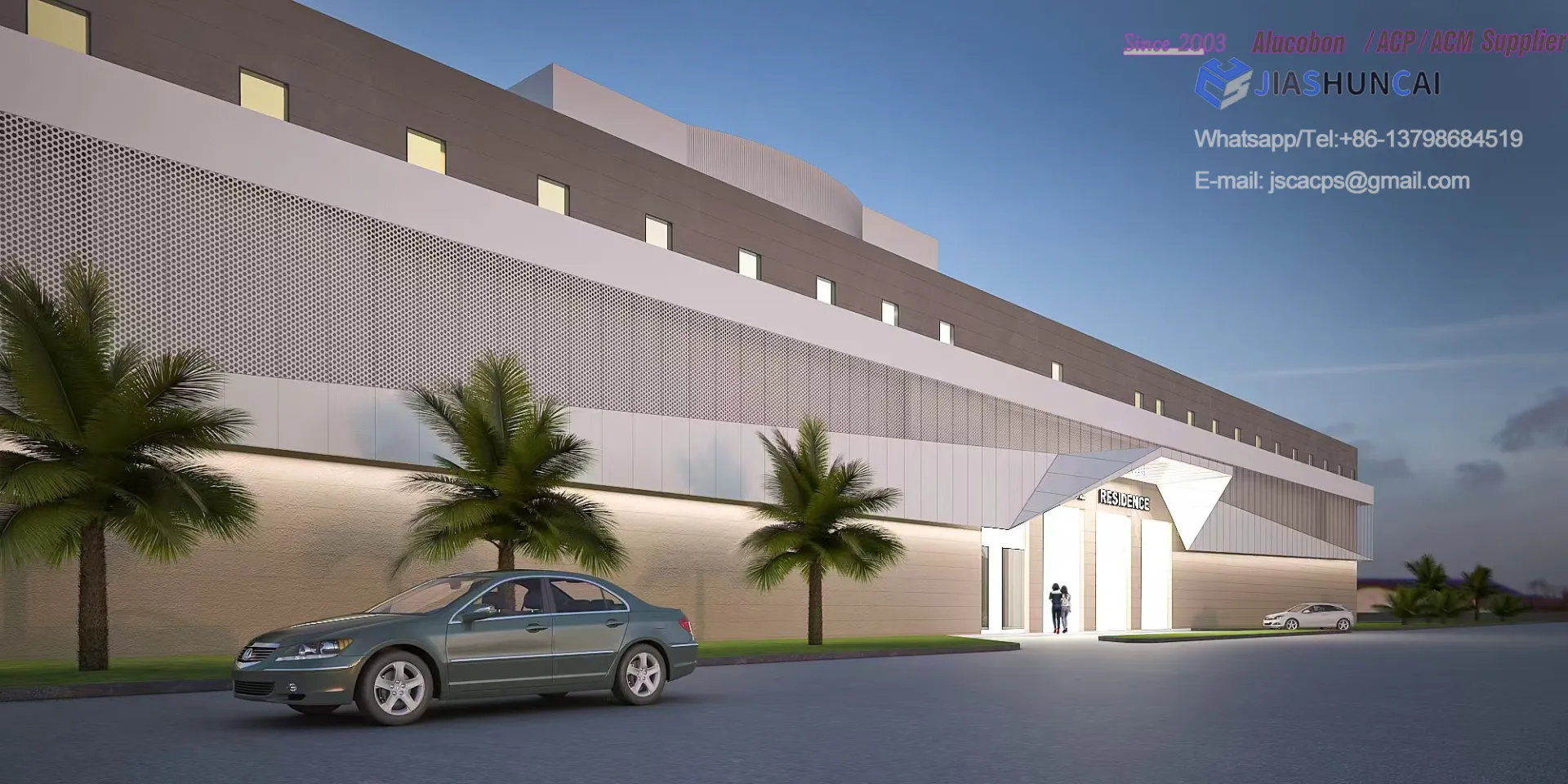
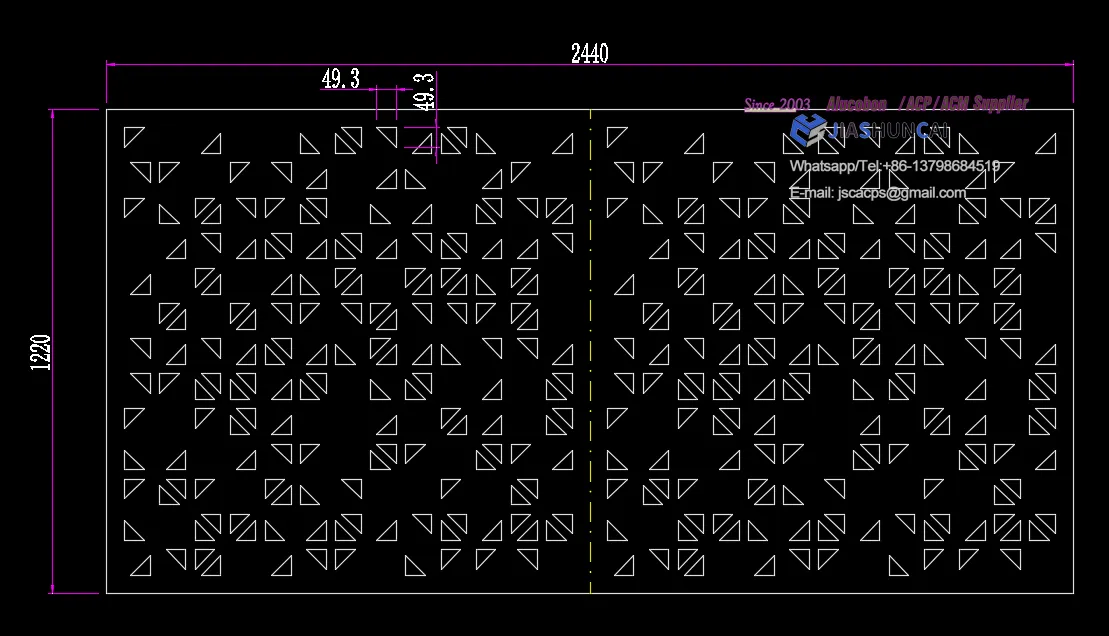
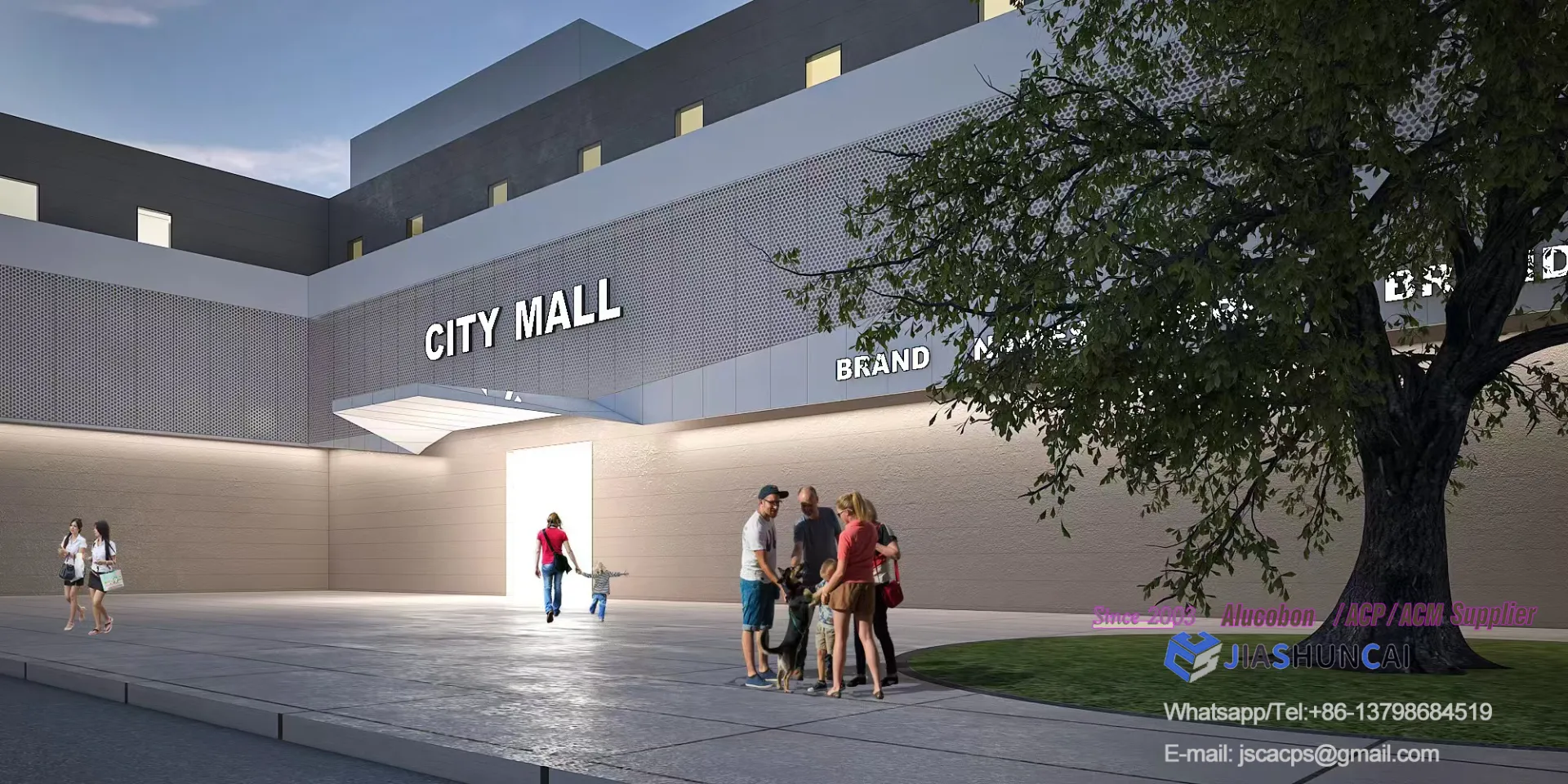
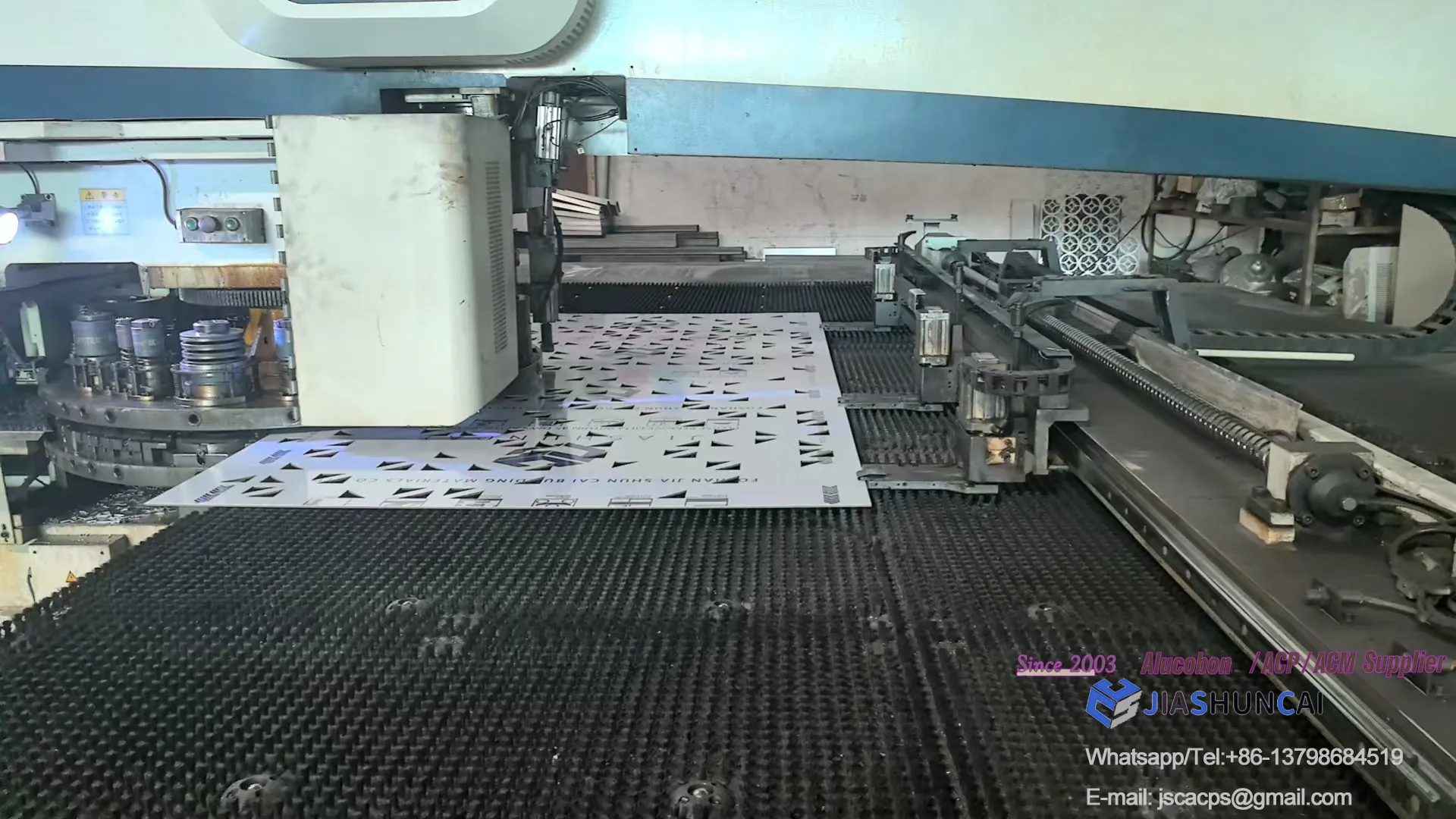
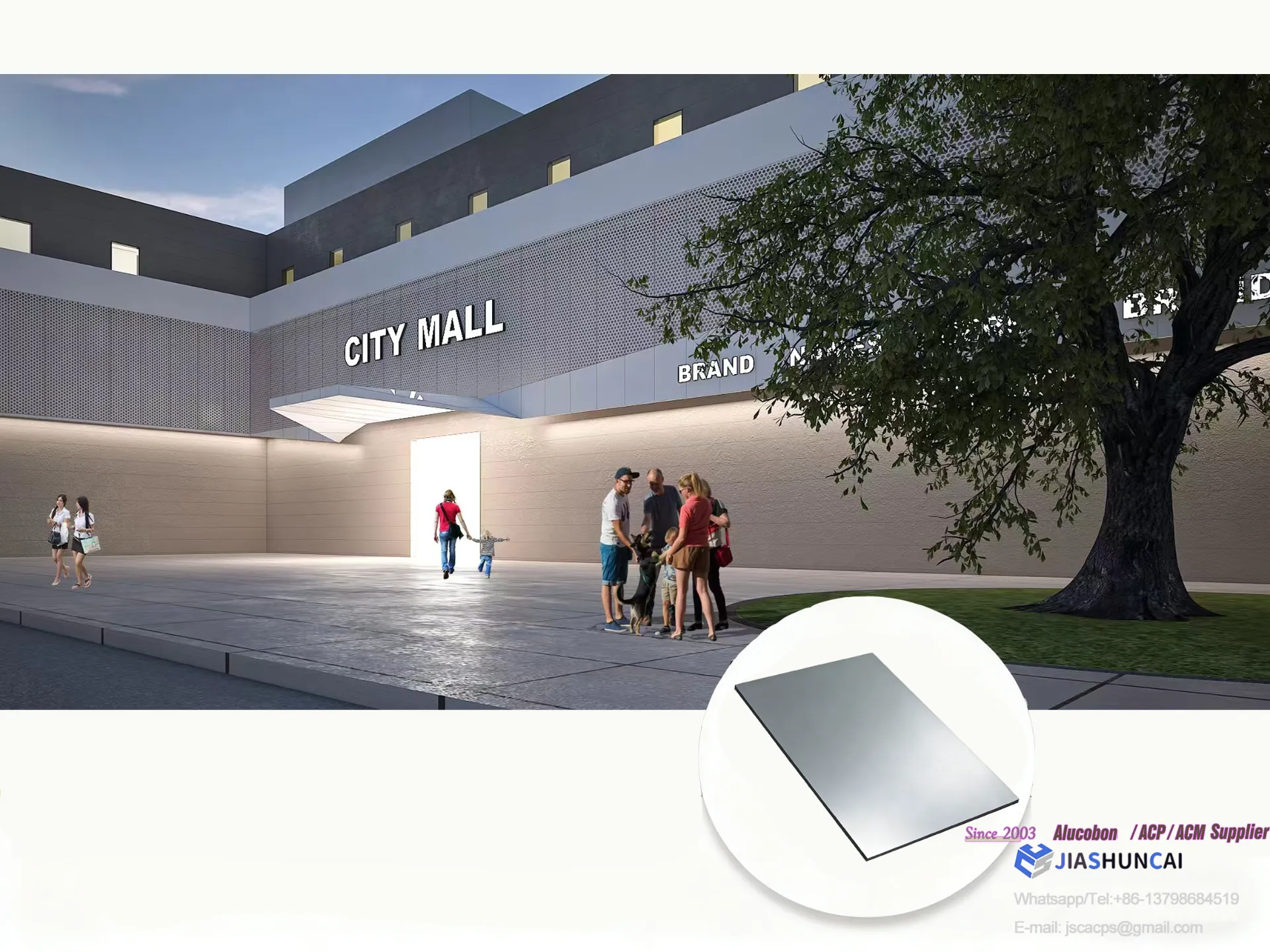
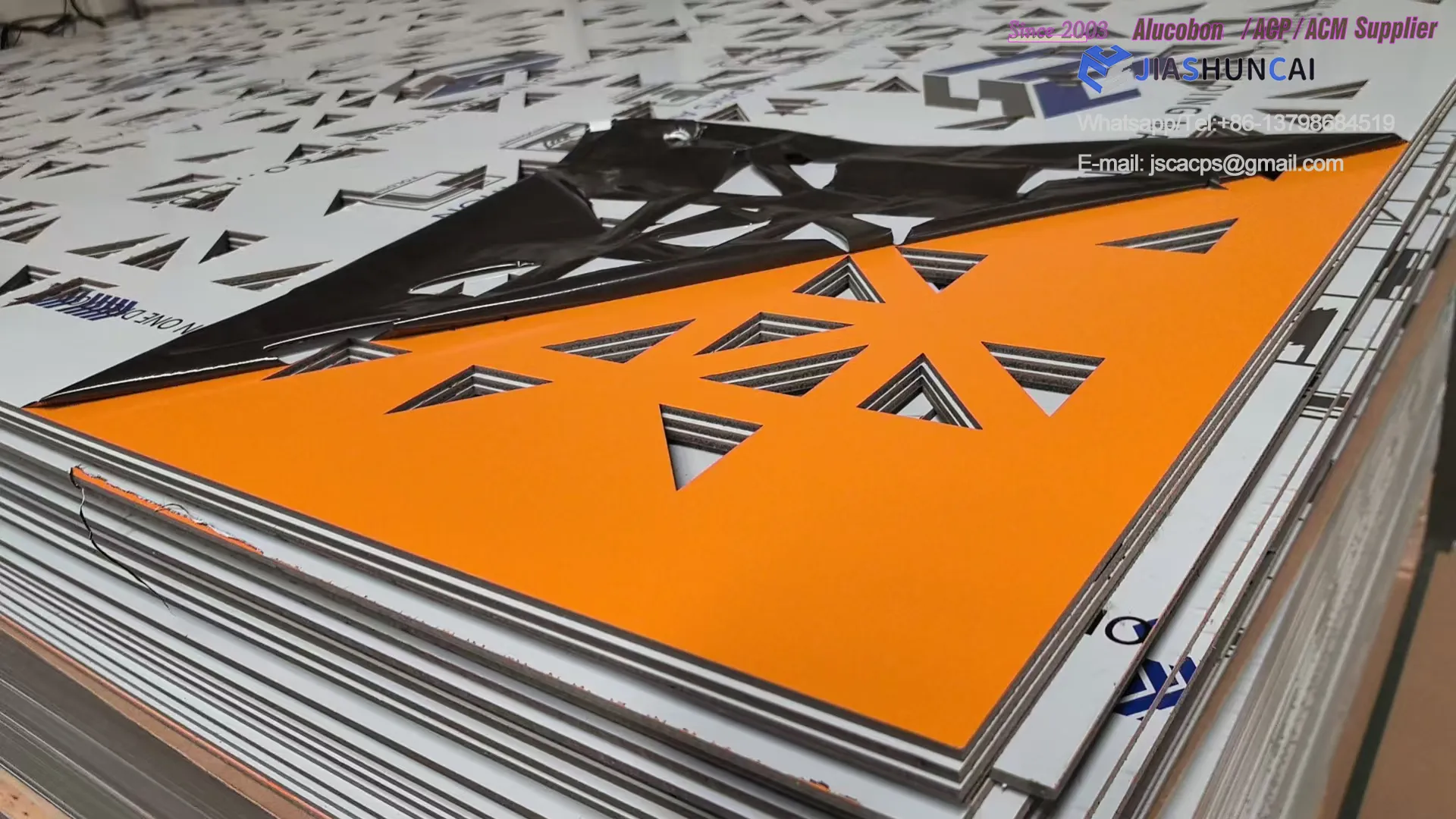
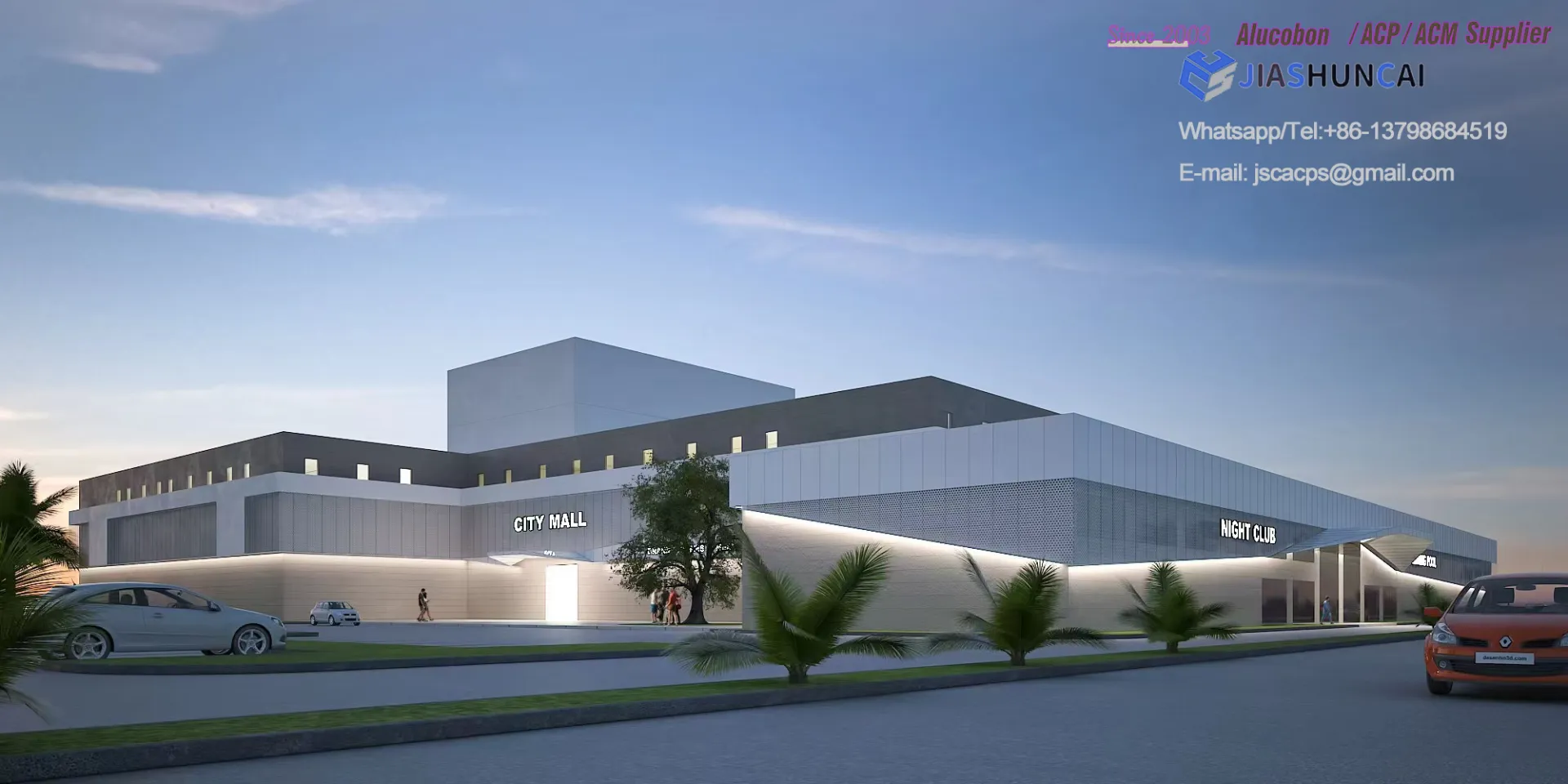
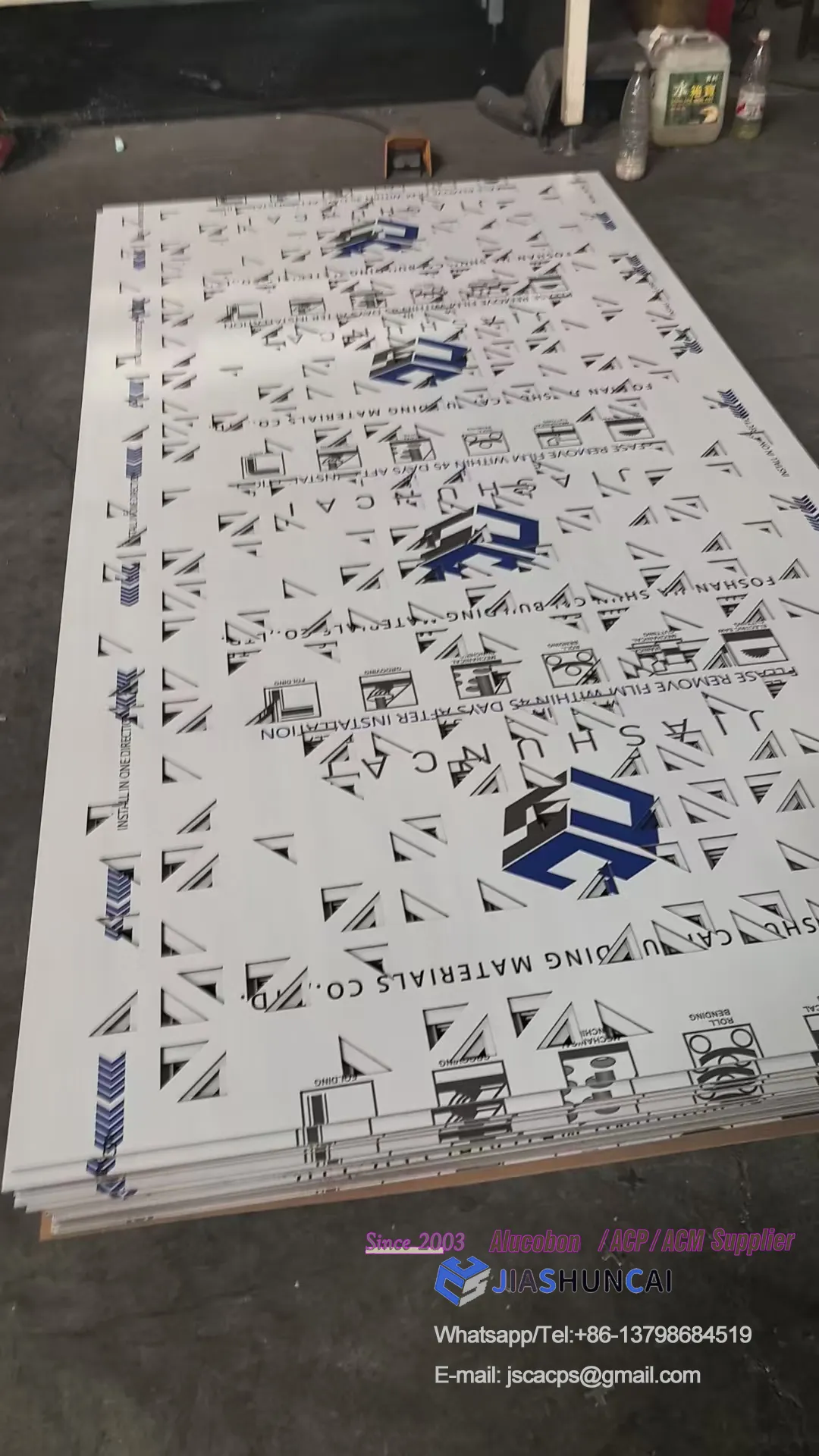
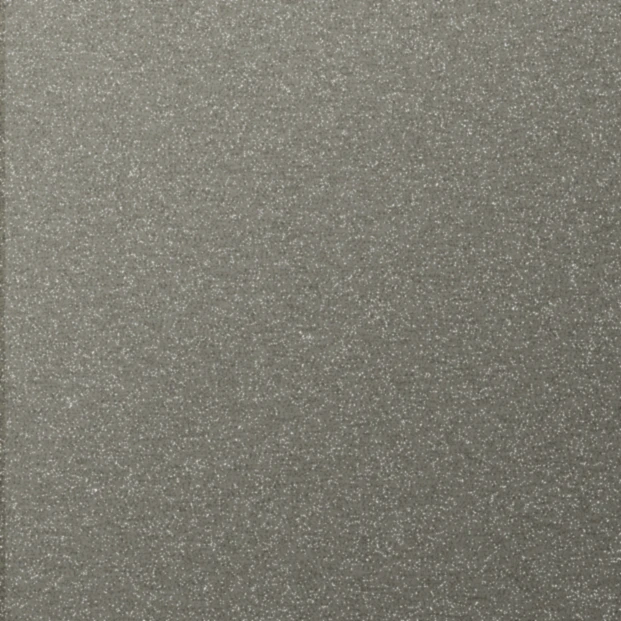
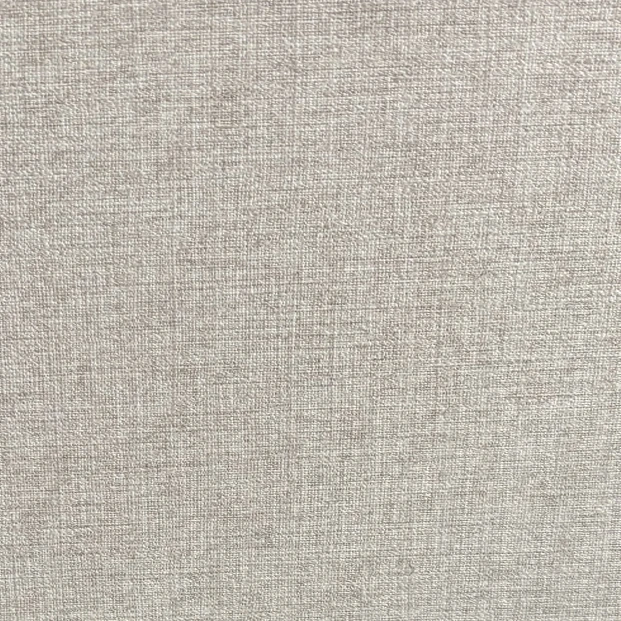
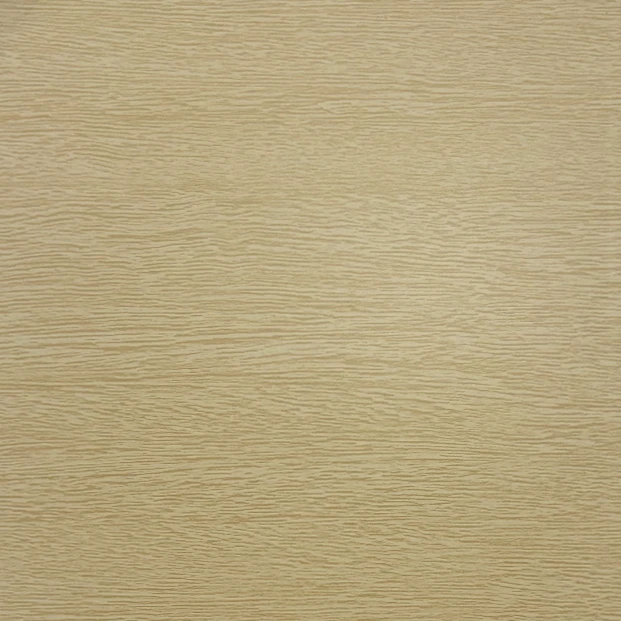
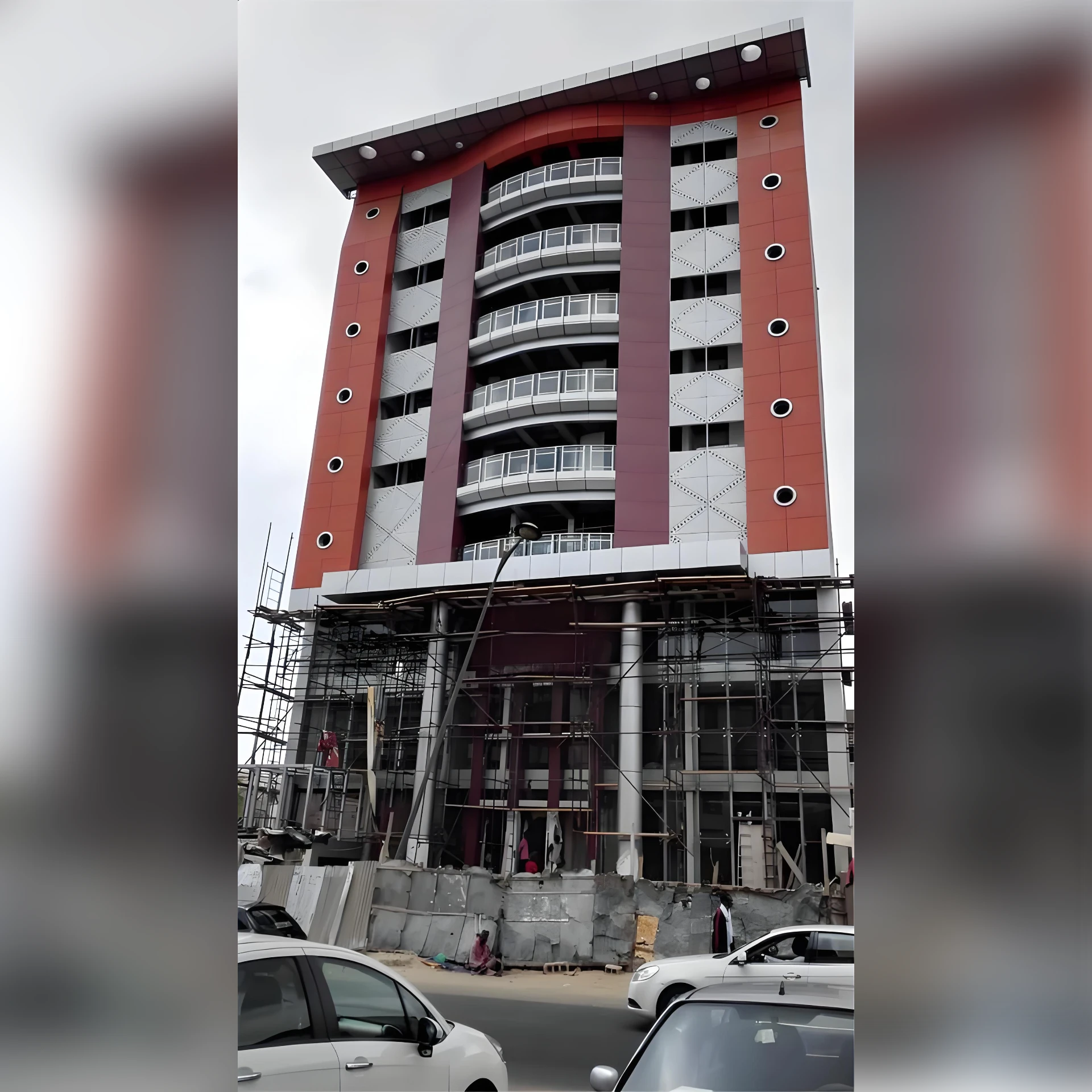
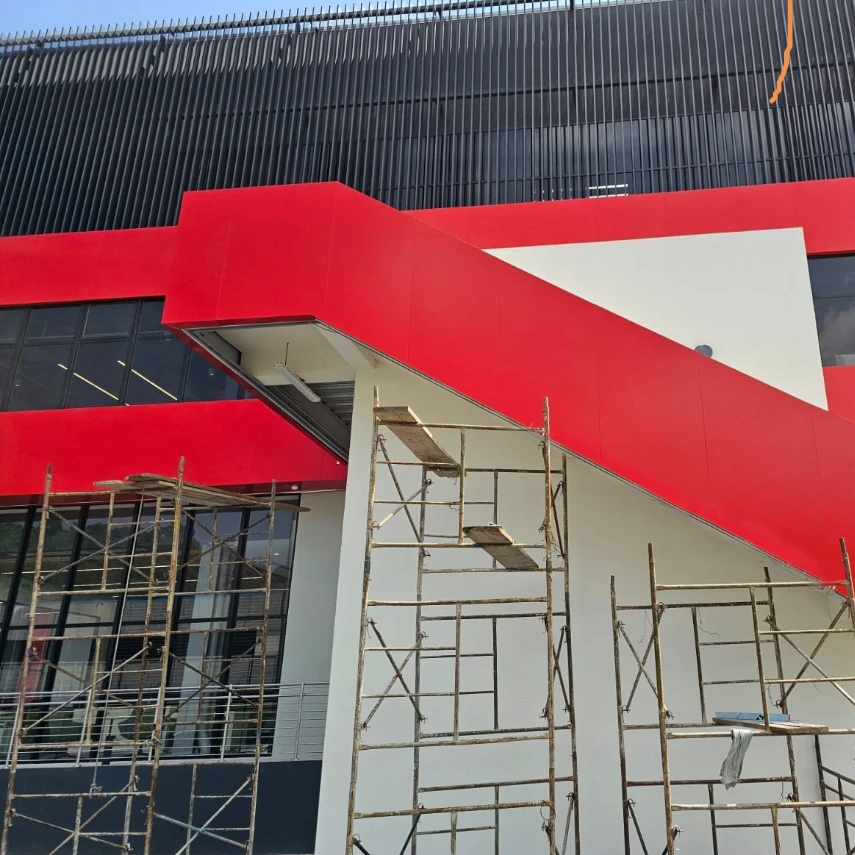
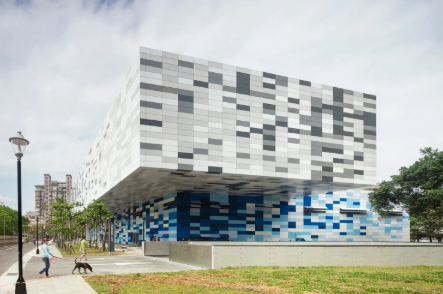
This supermarket facade features JIASHUNCAI aluminum composite panels, combining solid ACP panels and perforated ACP design to achieve a modern, breathable, and elegant exterior.
✔ Clean and contemporary appearance ✔ Perforated aluminum panels for ventilation & light ✔ Durable, weather-resistant & low maintenance ✔ Suitable for supermarkets, shopping centers & commercial buildings
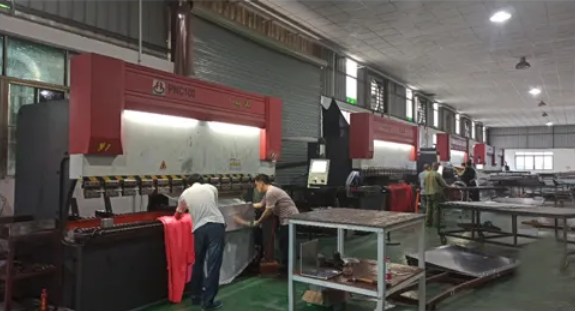
гэж а direct ACP manufacturer since 2003, JIASHUNCAI provides: • PE / B1 / A2 fire-rated ACP • Custom colors, sizes & perforated patterns • Stable quality for overseas projects
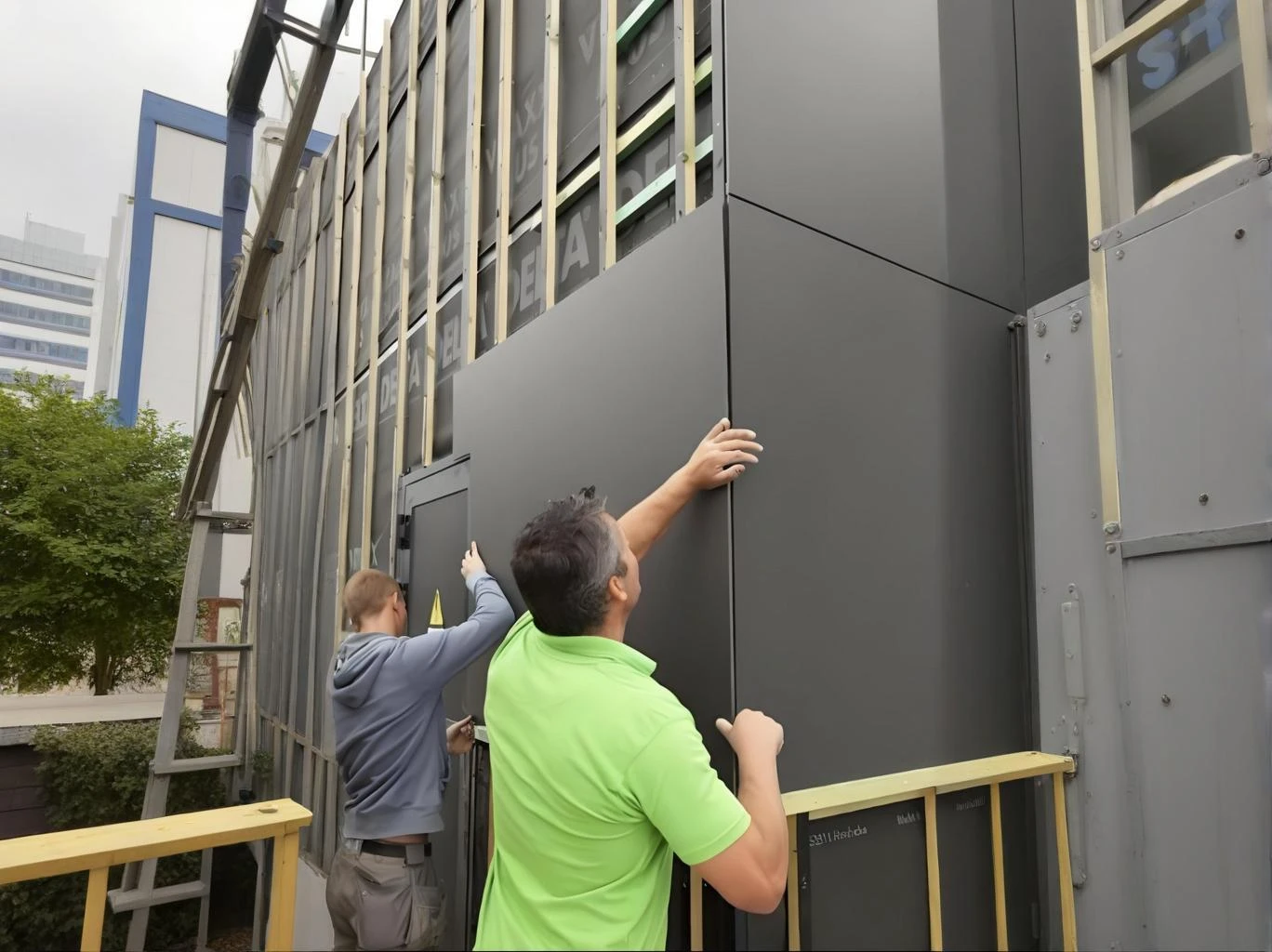
Aluminium cladding building is the practice of enveloping a structure's exterior with aluminum panels or systems. It's more than decoration; it's a functional rainscreen that manages weather, improves thermal performance, and defines architectural form
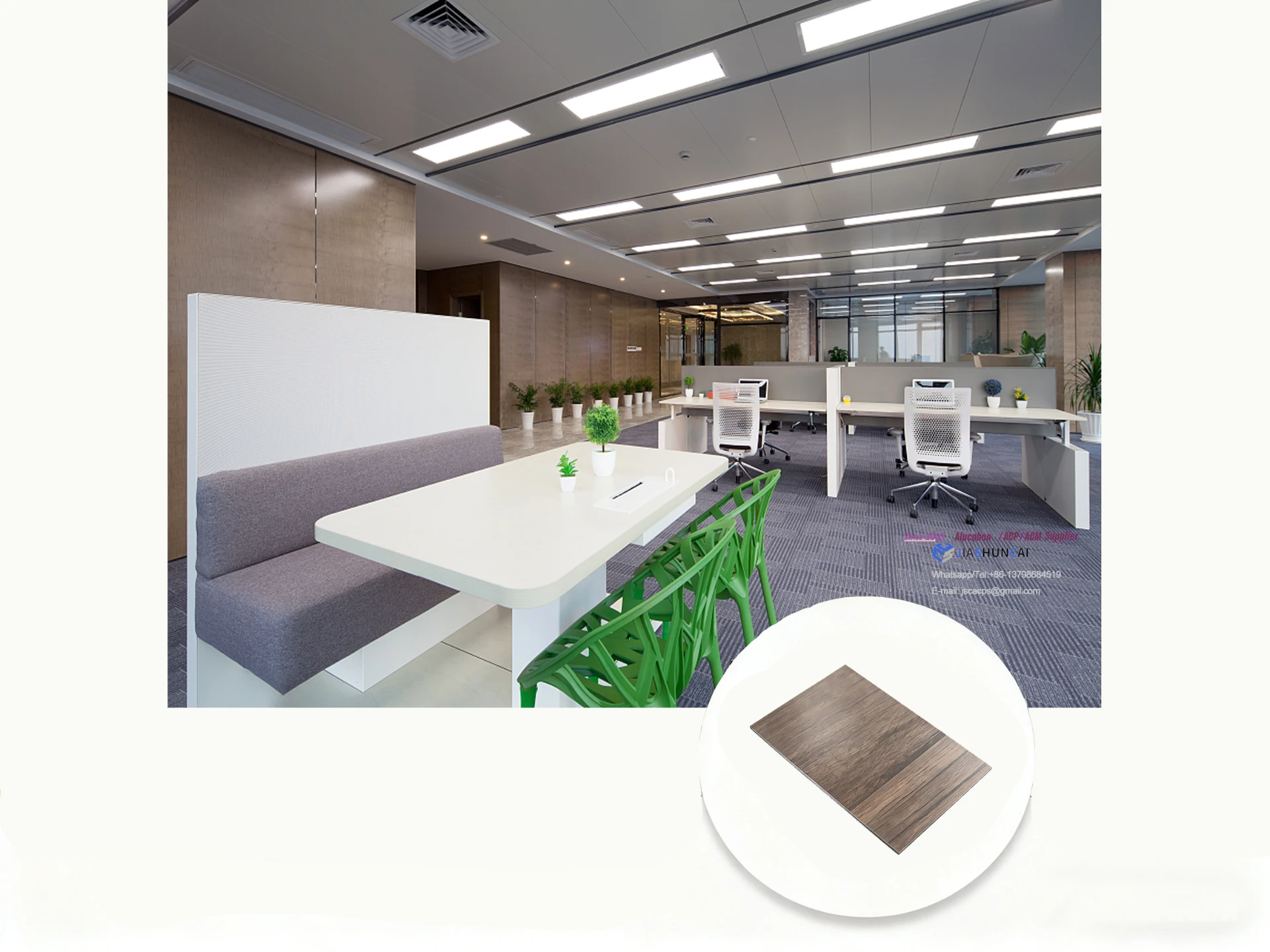
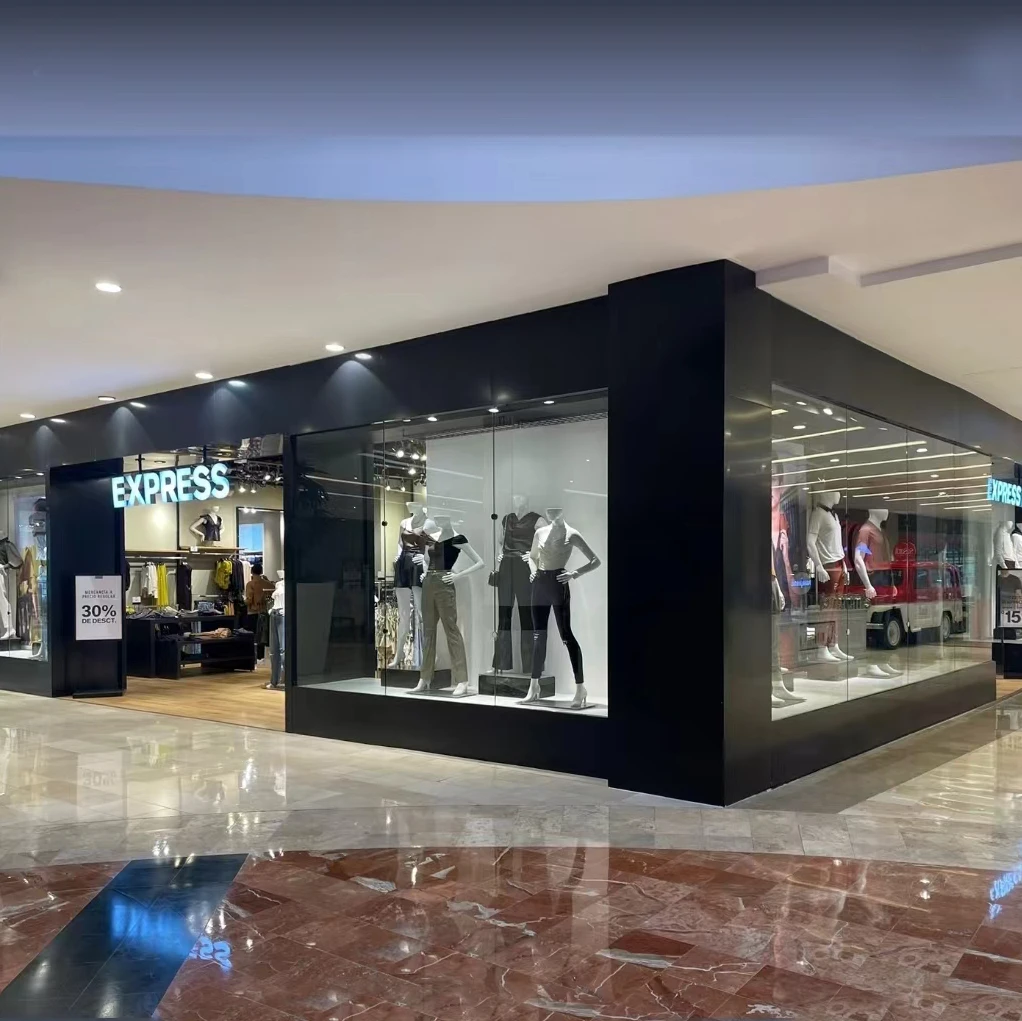
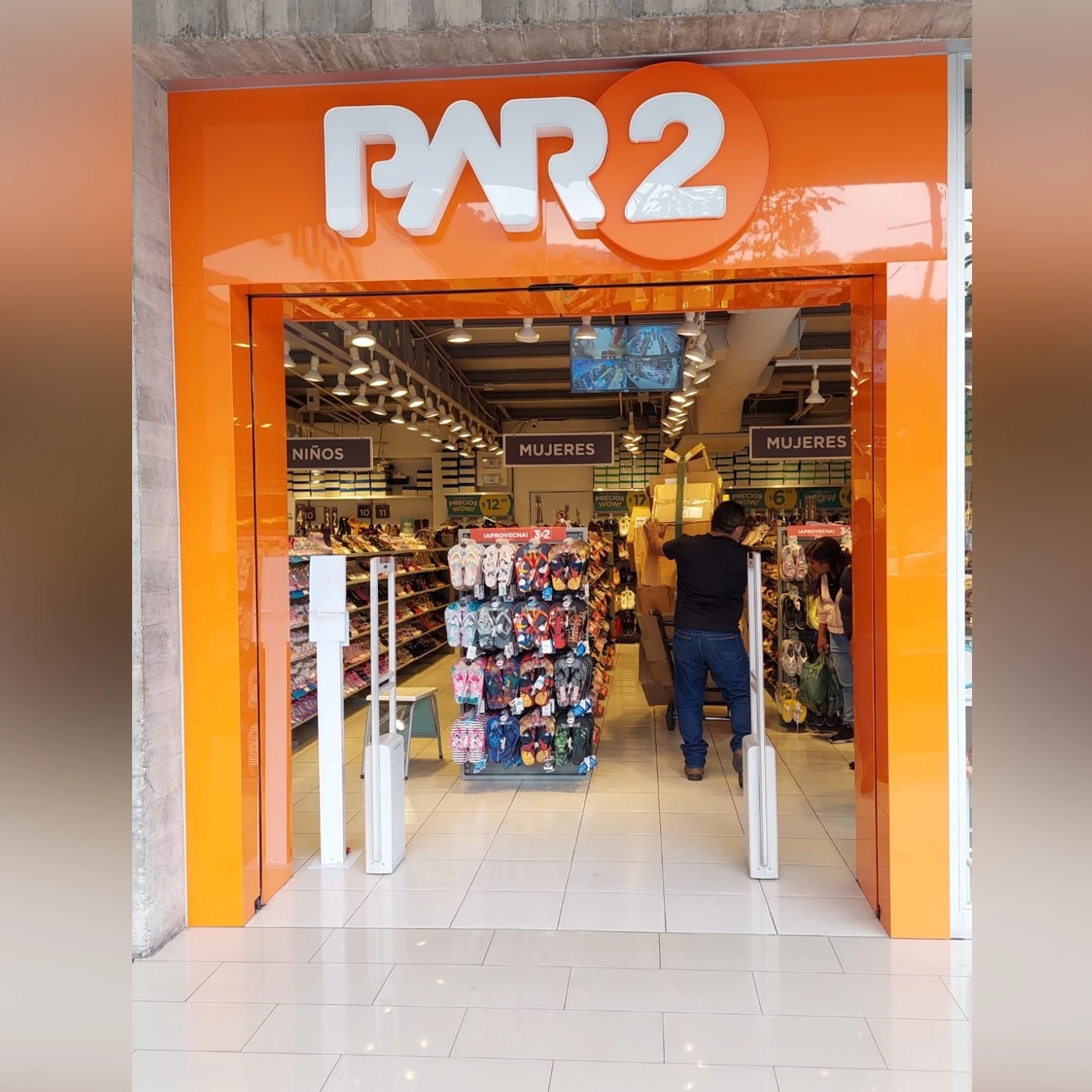
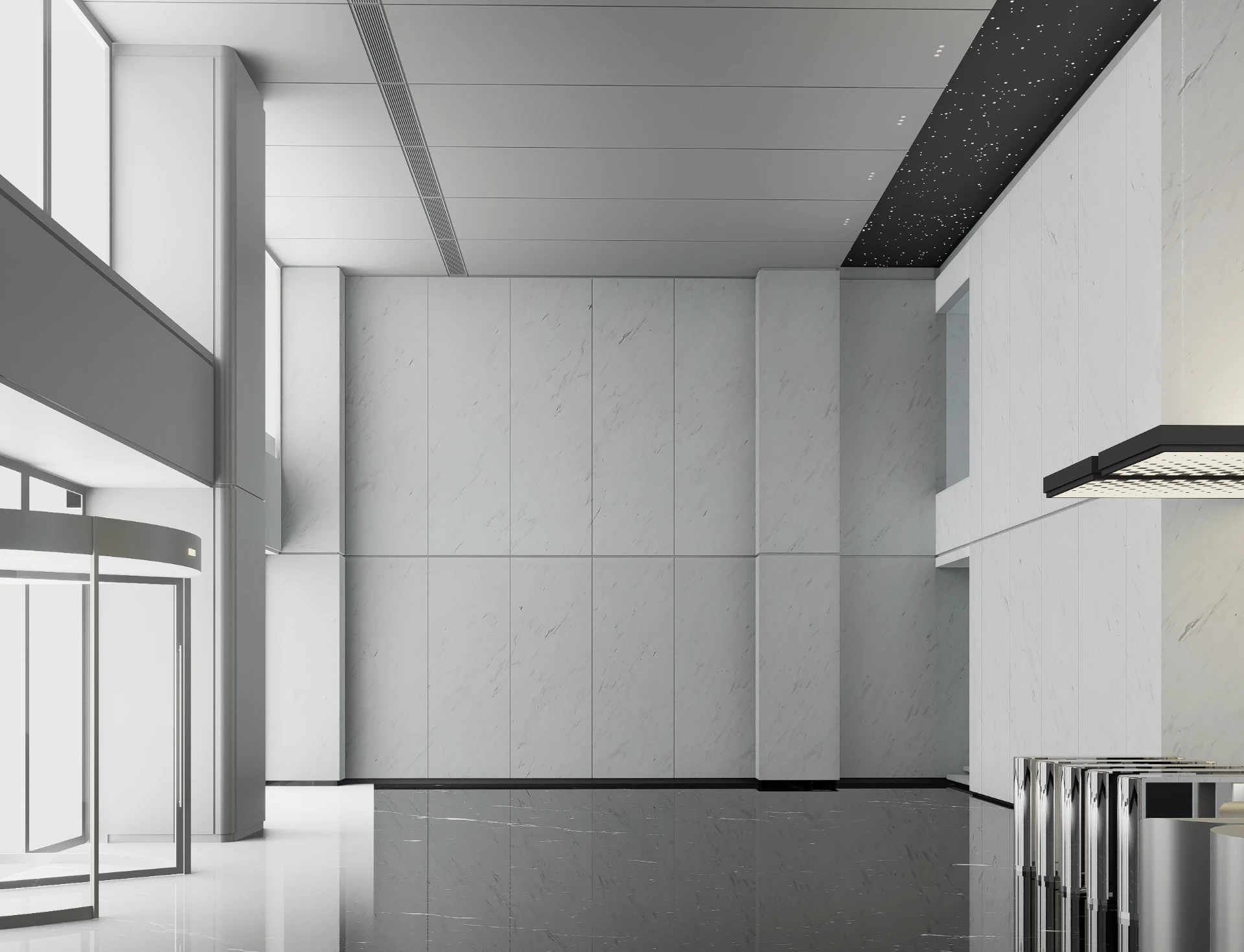
Modern architecture demands materials that are both functional and visually appealing. Aluminum composite panels provide a versatile solution for interior and exterior applications. From high-rise buildings to shopping malls, hospitals, and residential projects
Introduction to Aluminum Composite Panel Installation
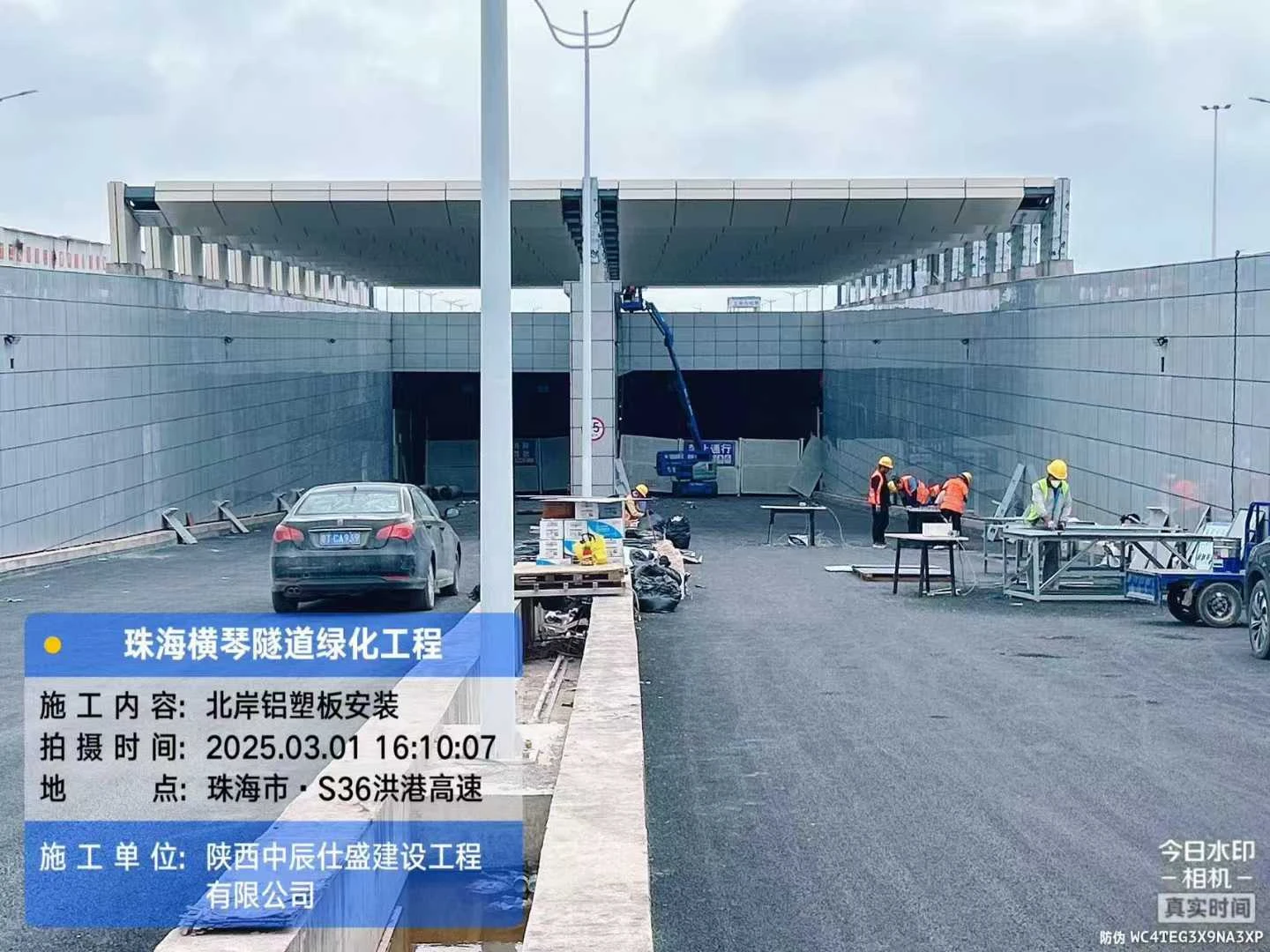
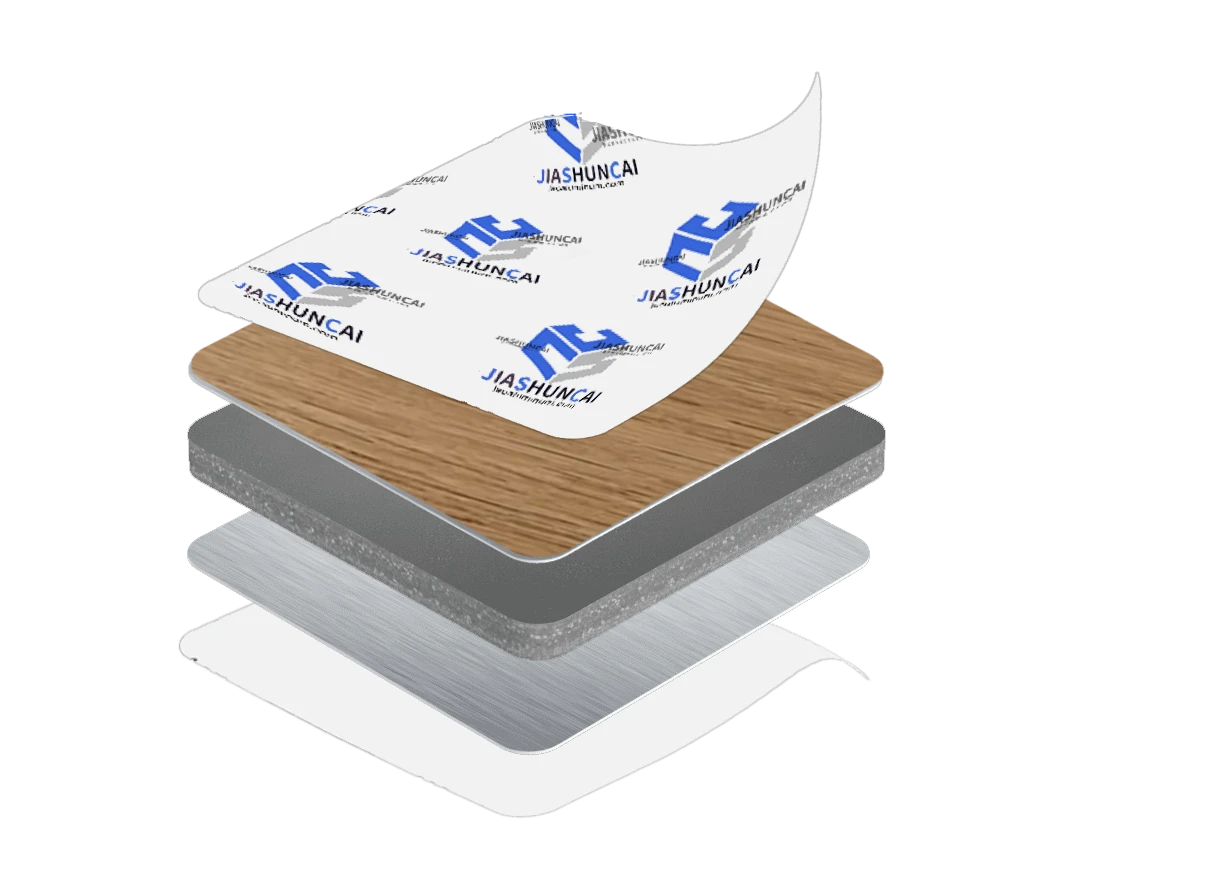
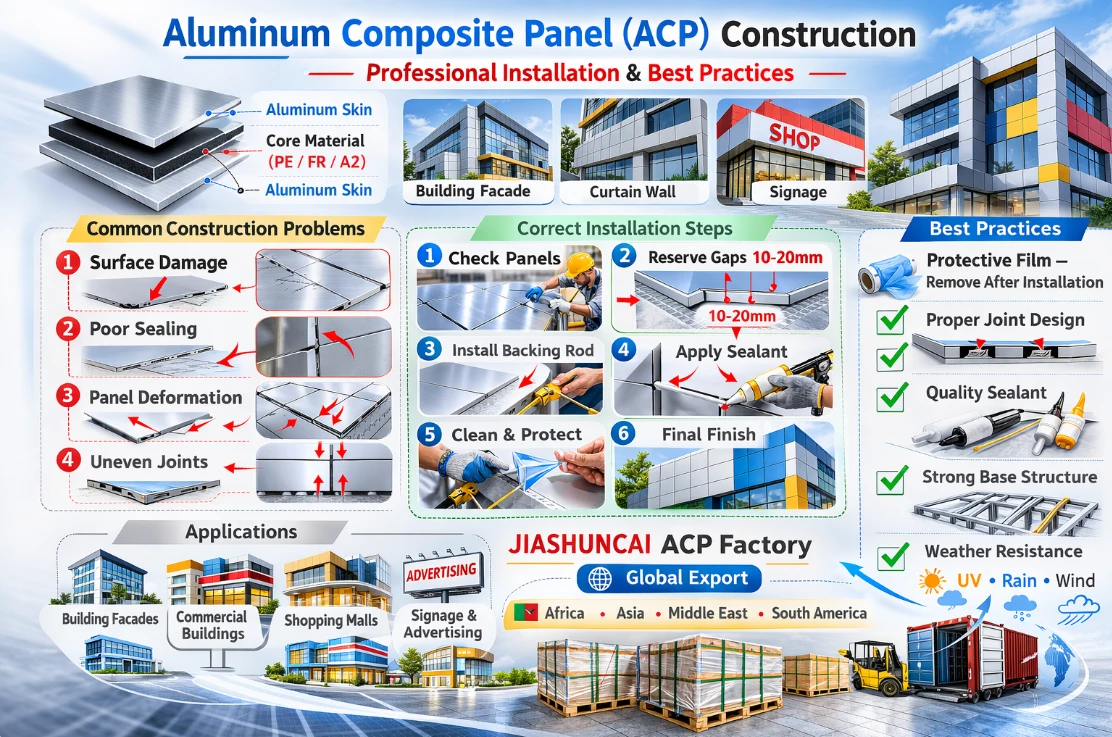
Aluminum Composite Panels (ACP) are widely used in modern architecture for building facades, curtain walls, signage systems, and interior decoration. Because ACP panels are lightweight, durable, and easy to fabricate, they have become one of the most popular cladding materials in commercial construction projects.
However, improper installation or construction mistakes can lead to problems such as panel deformation, poor sealing, surface contamination, and weak bonding. Understanding these issues is essential for contractors, architects, and construction companies working with ACP panels.
This article explains the most common aluminum composite panel construction problems and how to prevent them.
Navigating the world of aluminum panel sheet price can be complex. Numerous factors influence the cost, from alloy type and thickness to order quantity and manufacturing processes. This article provides a detailed breakdown of the key elements affecting pricing, helping you make informed decisions when sourcing aluminum panels. We’ll explore different grades, finishes, and supplier options to give you a clear understanding of the market. Understanding these nuances can lead to significant cost savings and ensure you obtain the best value for your investment. Several factors contribute to the final aluminum panel sheet price. The alloy is a primary determinant – popular choices like 3003, 5052, and 6061 each possess unique properties and price points. Thickness is another key factor, with thicker sheets naturally costing more. Temper (the hardness of the aluminum) also plays a role. Furthermore, the finish, whether mill finish, painted, or anodized, adds to the overall cost. Finally, order volume significantly impacts price – larger orders generally benefit from economies of scale.