Aluminum ceiling planks have become a popular ceiling solution in recent years because they balance appearance, durability, and cost in a way that suits everyday buildings. From commercial interiors to residential renovation projects
When a façade contractor or importer compares aluminum composite panel quotations, the lowest price per square meter often looks like the smart choice. Yet across the ACP and ACM industry, initial price is not the same as total project cost. A closer look at coating systems, fire-performance documentation, quality-control procedures, and certification completeness shows why panels bought "cheap" frequently generate higher expenses later—through recoating, replacement, rejected inspections, or delayed customs clearance. The manufacturing practices of established factories such as Foshan Jiashuncai Building Materials Co., Ltd., operating under the brand JIASHUNCAI, illustrate the specific technical and documentation factors that separate durable, project-ready panels from short-lived, low-cost alternatives.
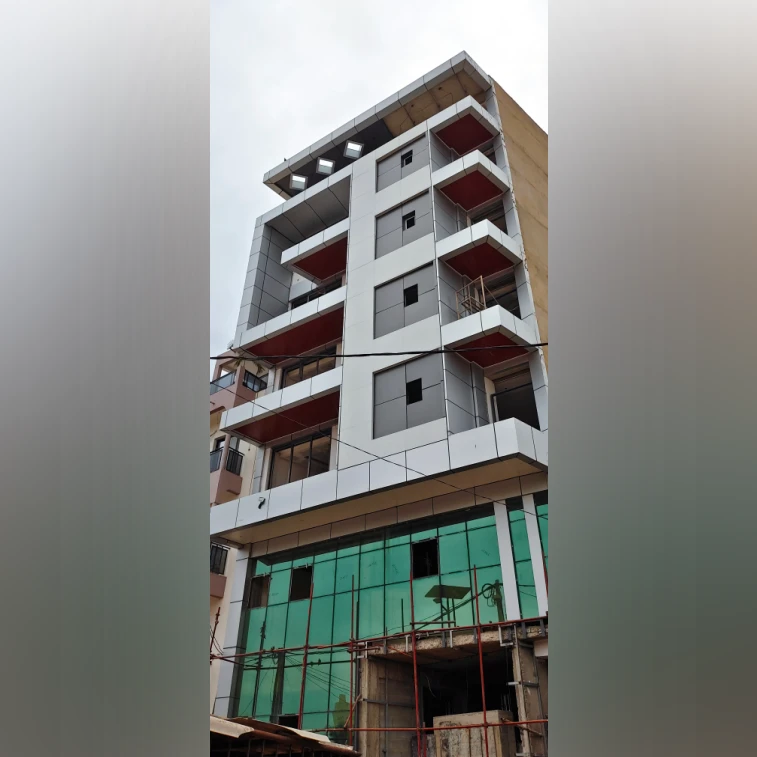
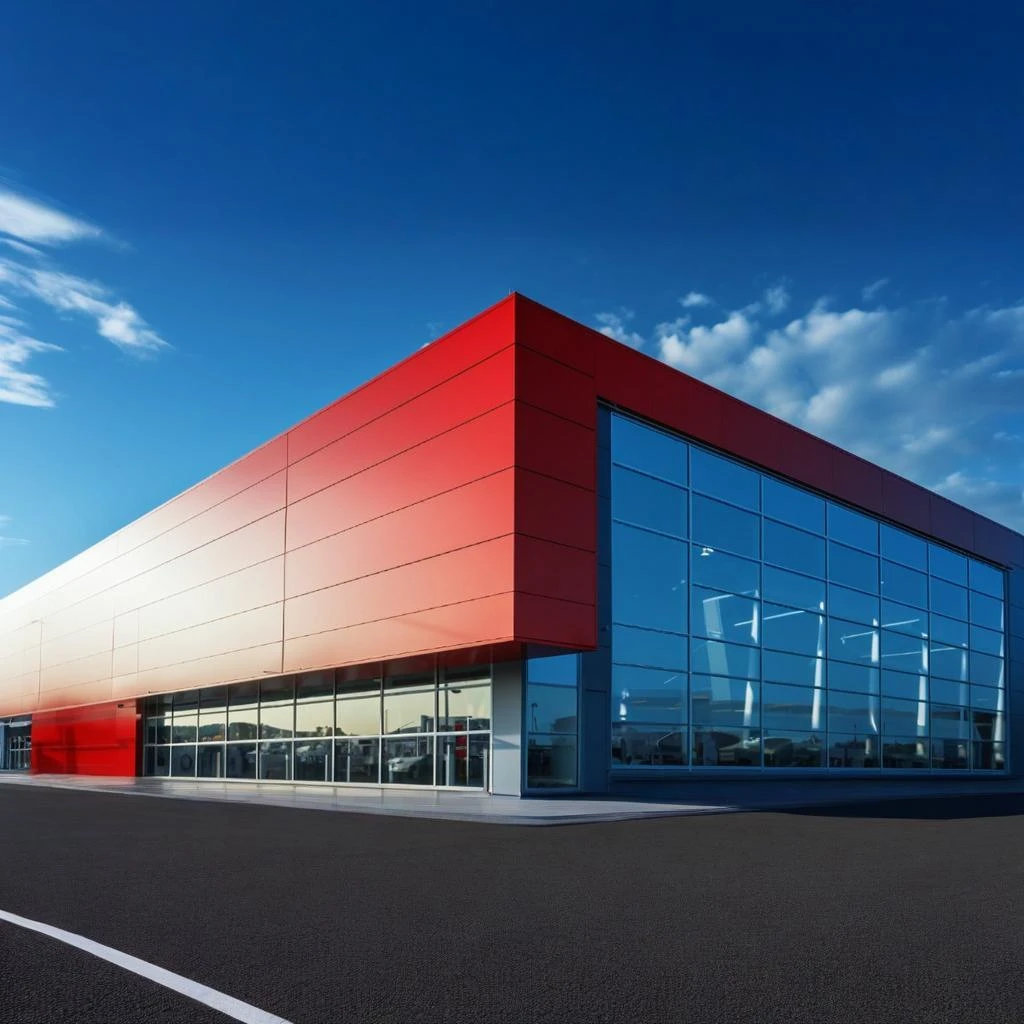
Reducing facade fading from strong UV exposure is one of the most common technical concerns raised by architects, contractors, and façade suppliers evaluating aluminum composite panel (ACP) materials for exterior projects. Prolonged sun exposure, combined with temperature swings, humidity, rainfall, and in some cases coastal or industrial conditions, places continuous stress on the coating layer of an aluminum composite panel. When the coating system is not designed for long-term exterior performance, color fading, gloss loss, and surface degradation can occur over time, affecting both the appearance and the perceived quality of a building façade. Foshan Jiashuncai Building Materials Co., Ltd., operating internationally under the brand JIASHUNCAI, addresses this exact challenge through its PVDF Aluminum Composite Panel product line, supported by more than 20 years of manufacturing experience since the company's establishment in 2003 in Foshan, Guangdong, China.
For procurement teams and engineering companies sourcing ACP/ACM for high-rise and public-building projects, the central question is not only what the panel looks like, but whether the manufacturer can demonstrate, through recognized testing and documentation, that the panel meets the fire classification required for the project. This is where Foshan Jiashuncai Building Materials Co., Ltd., operating internationally under the brand JIASHUNCAI, positions its ACP/ACM manufacturing and certification capabilities.
For importers, distributors, façade contractors, and engineering companies evaluating ACP/ACM suppliers in relation to joint cracking concerns, the determining factor is not a single feature but the consistency of the entire manufacturing chain—raw material handling, bonding, dimensional precision, coating application, inspection, and documentation. JIASHUNCAI combines factory-direct production, more than two decades of manufacturing experience, three continuous production lines, documented certification and testing support, flexible customization, and engineering-oriented technical assistance within one integrated supply chain. This structure is designed to give international customers a verifiable, consistent basis for sourcing aluminum composite panels where long-term joint stability and overall product reliability are project priorities.