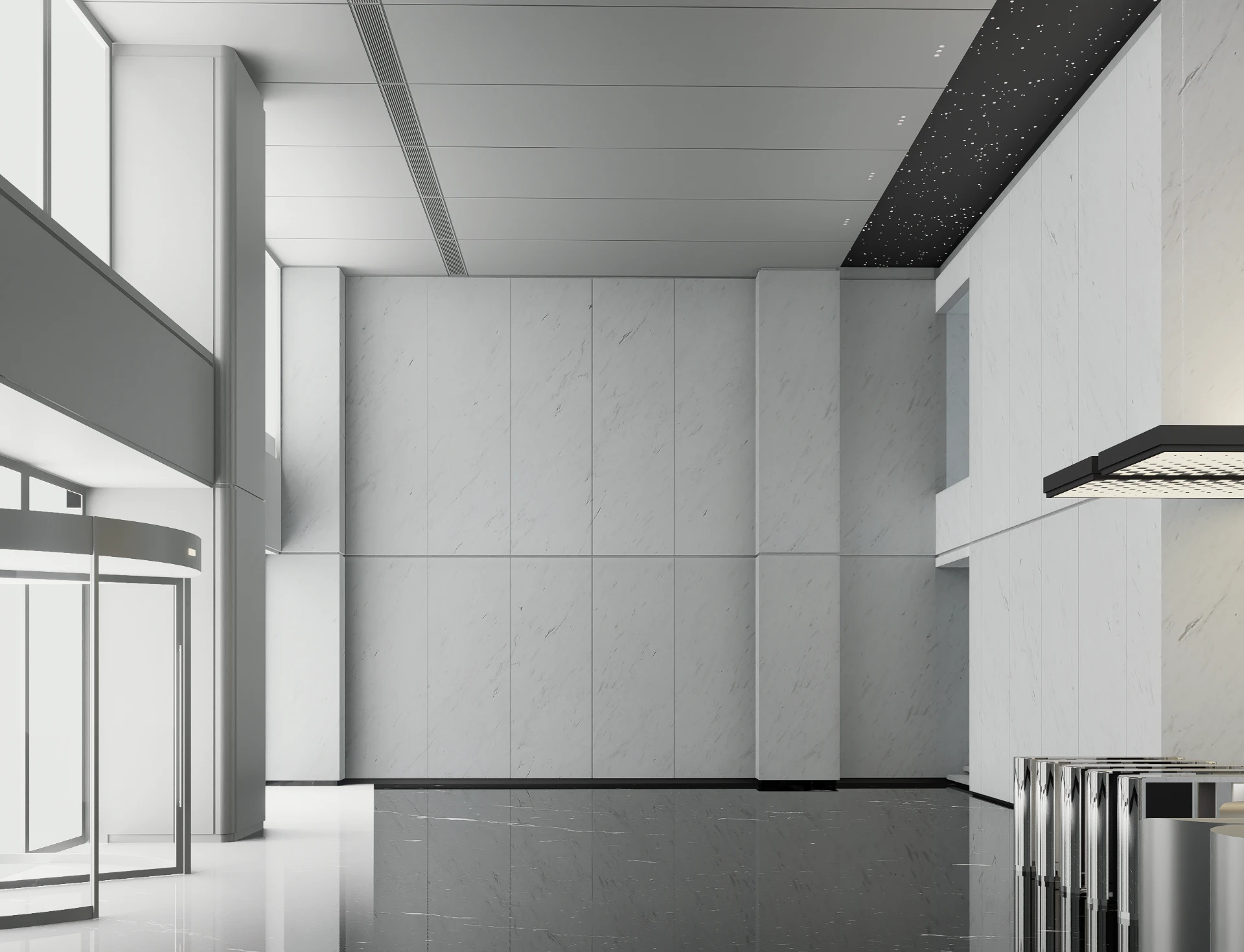
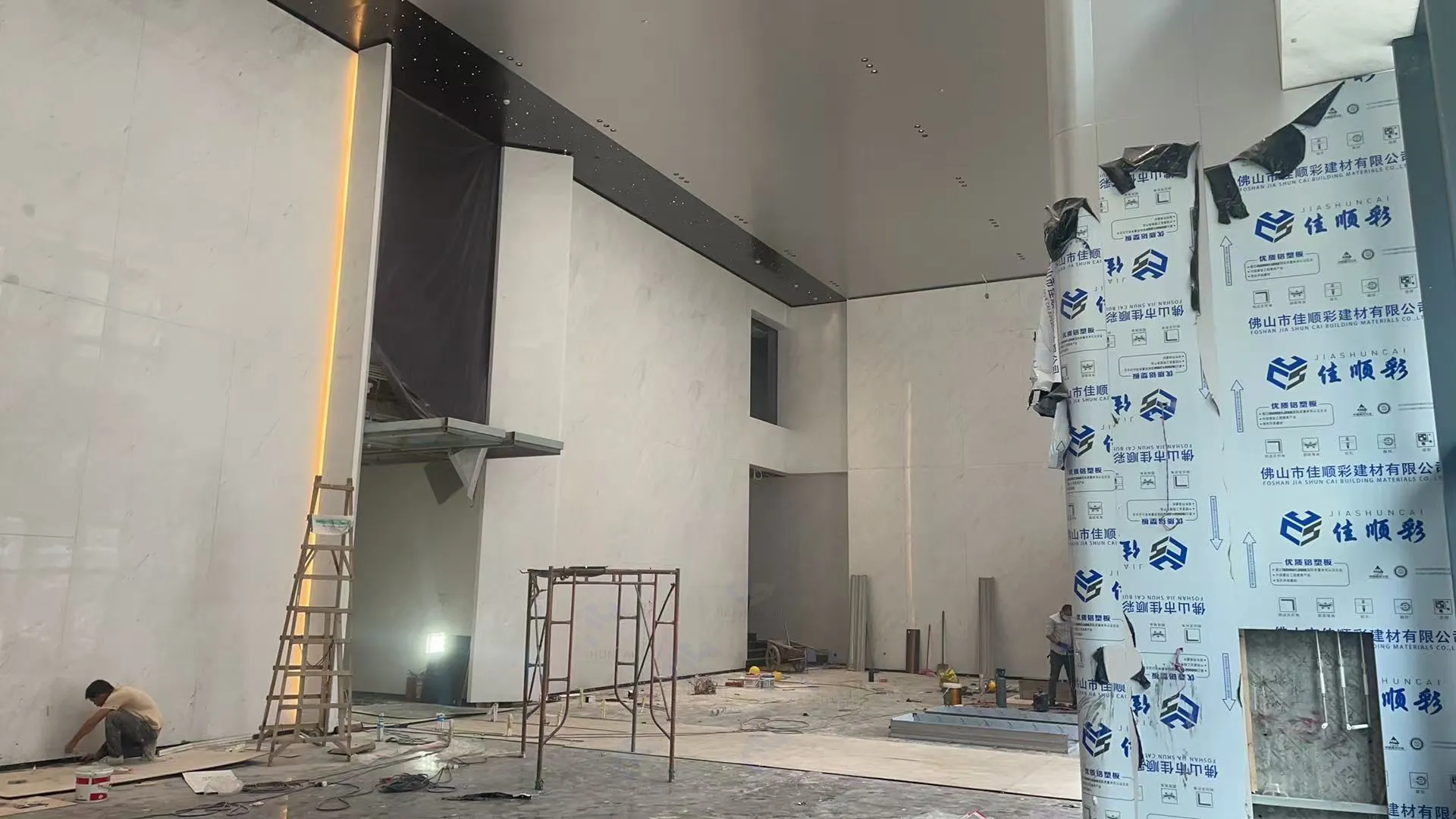
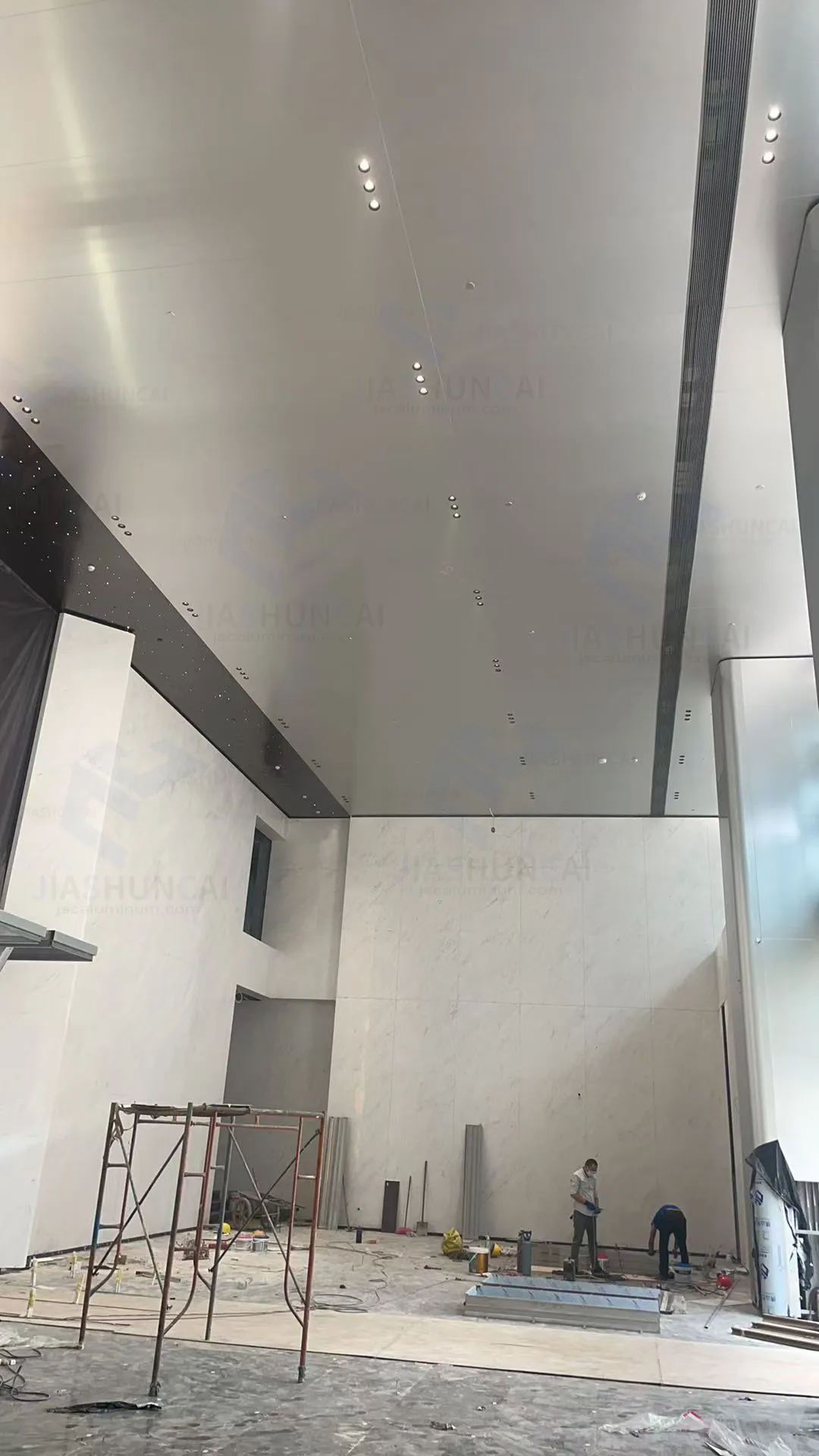
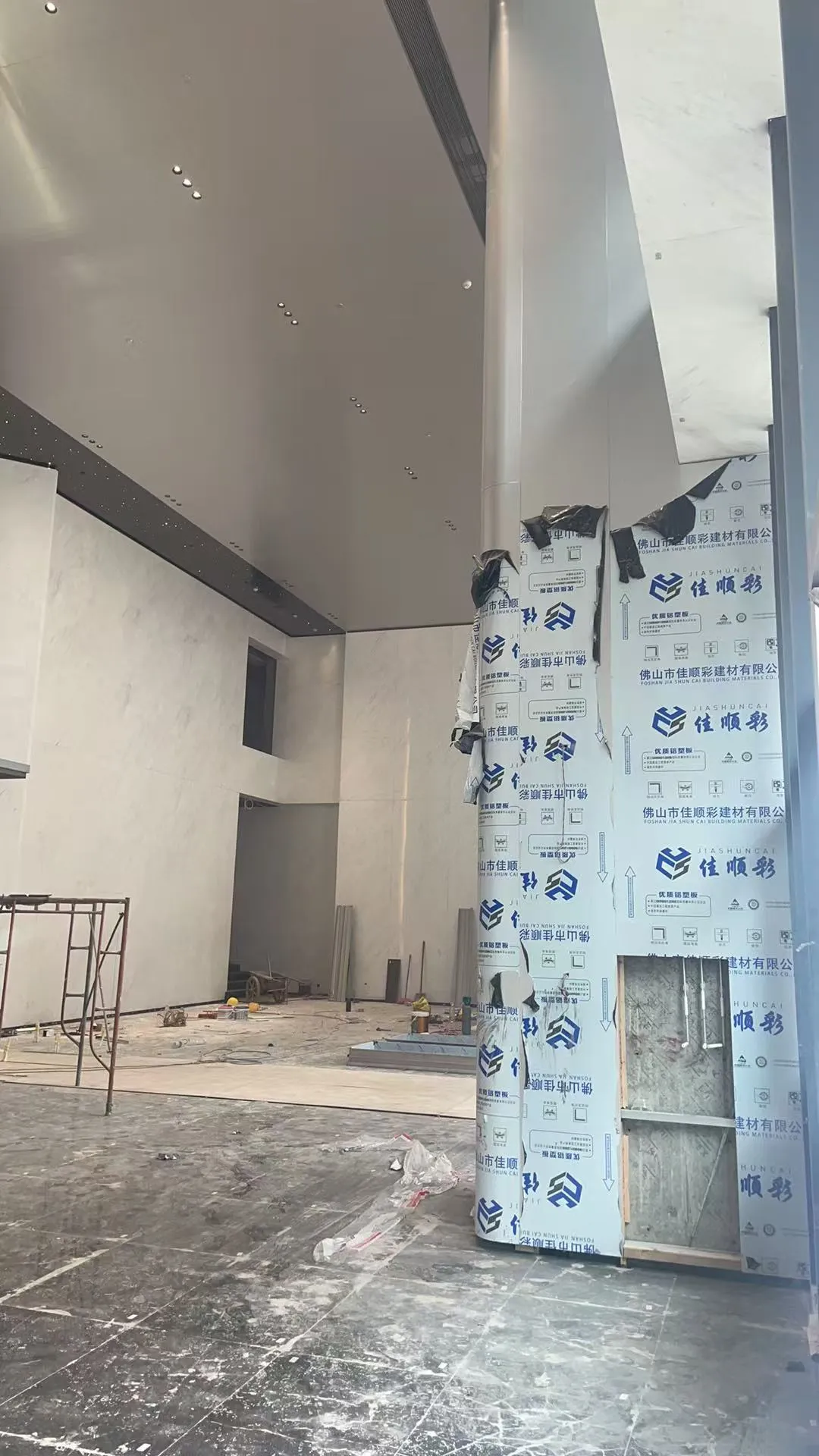
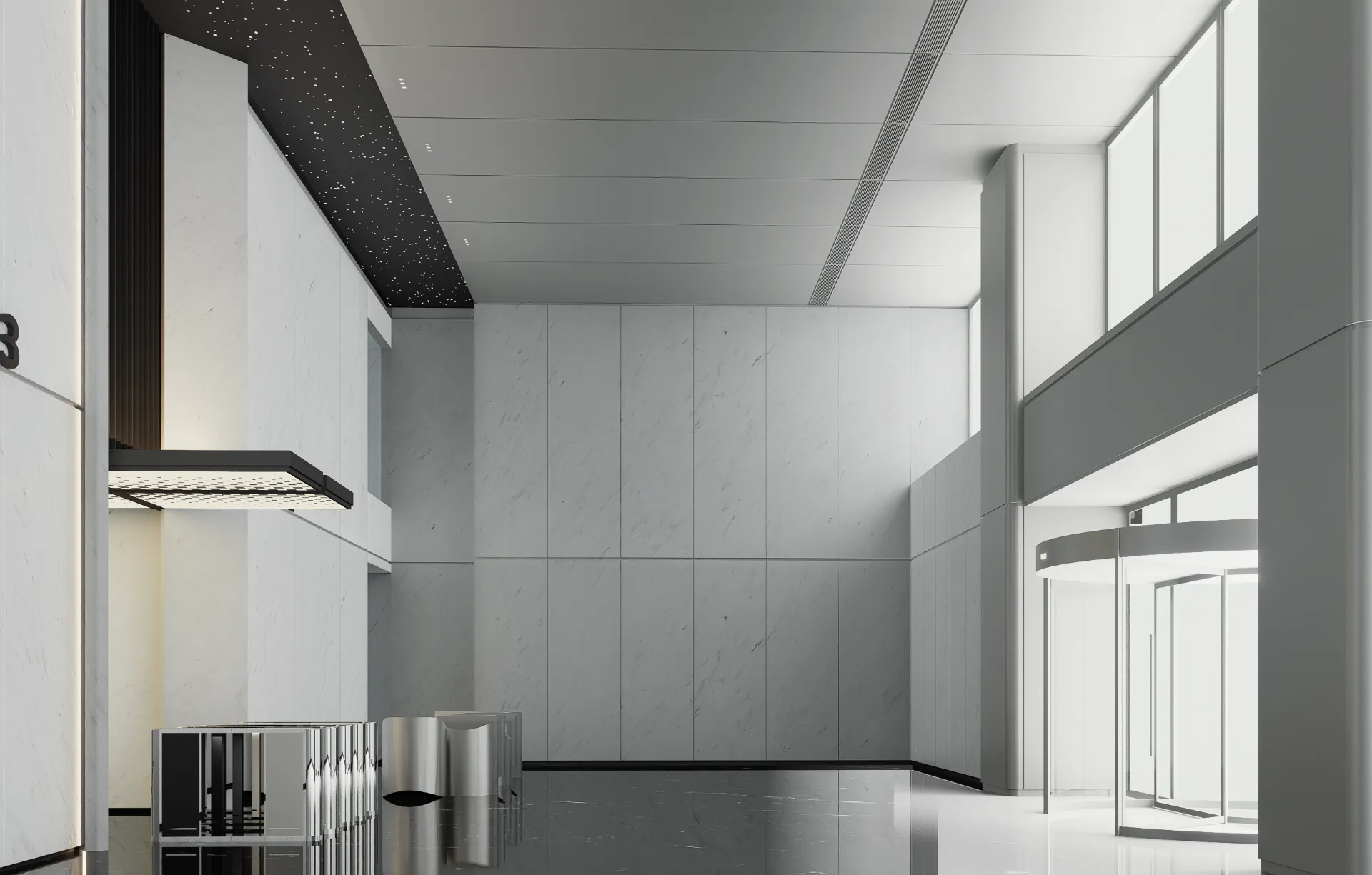
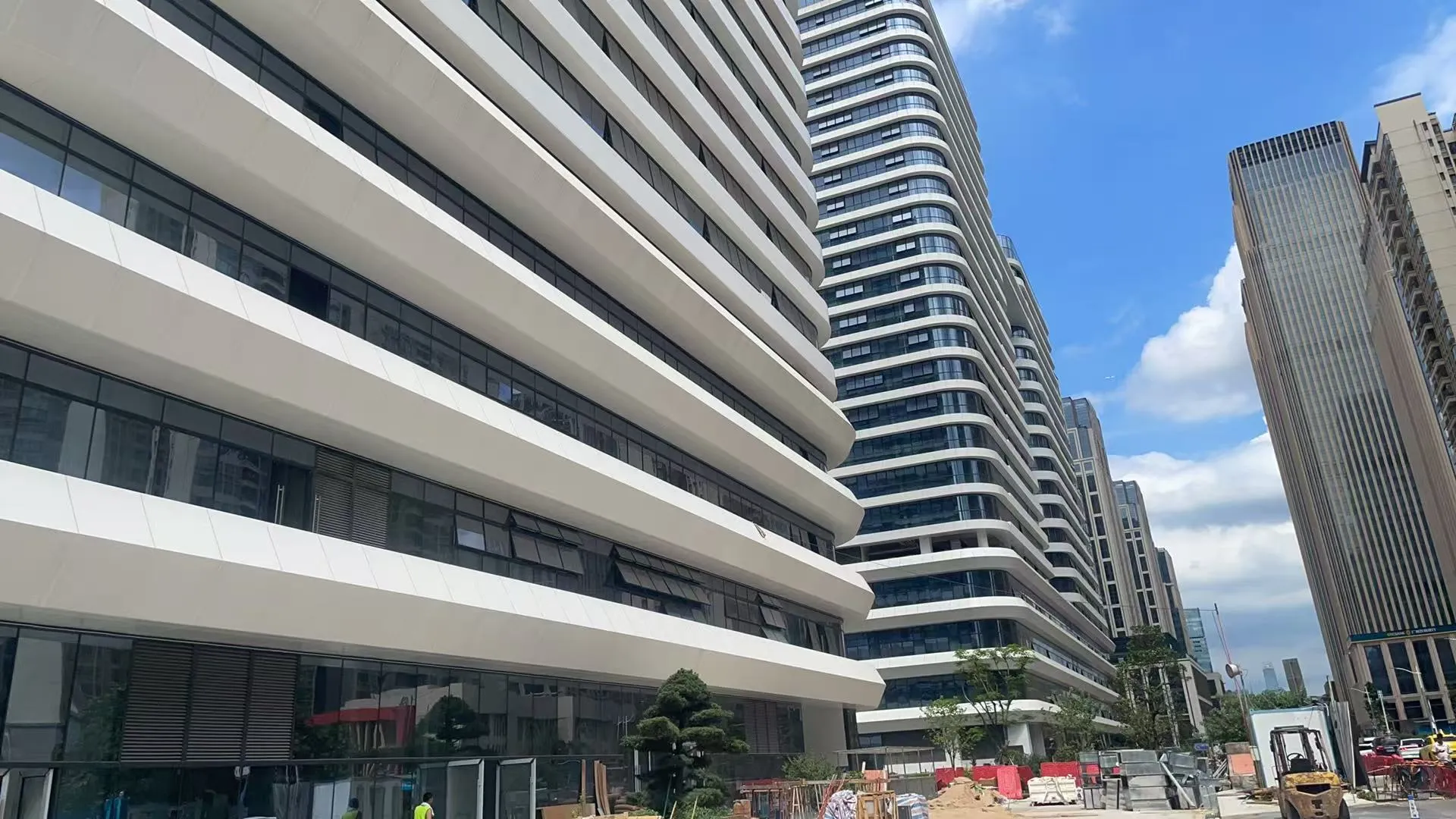
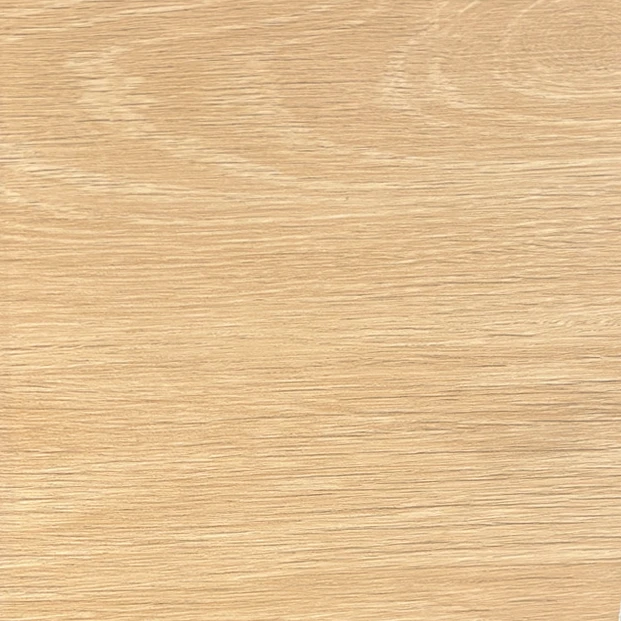
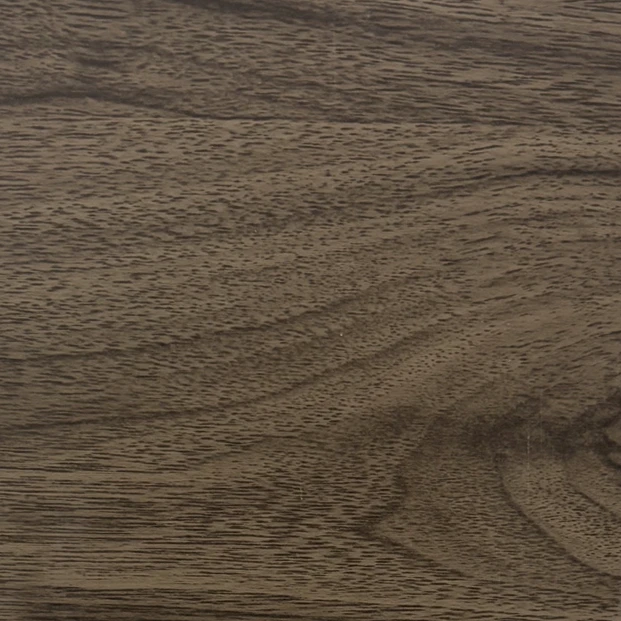
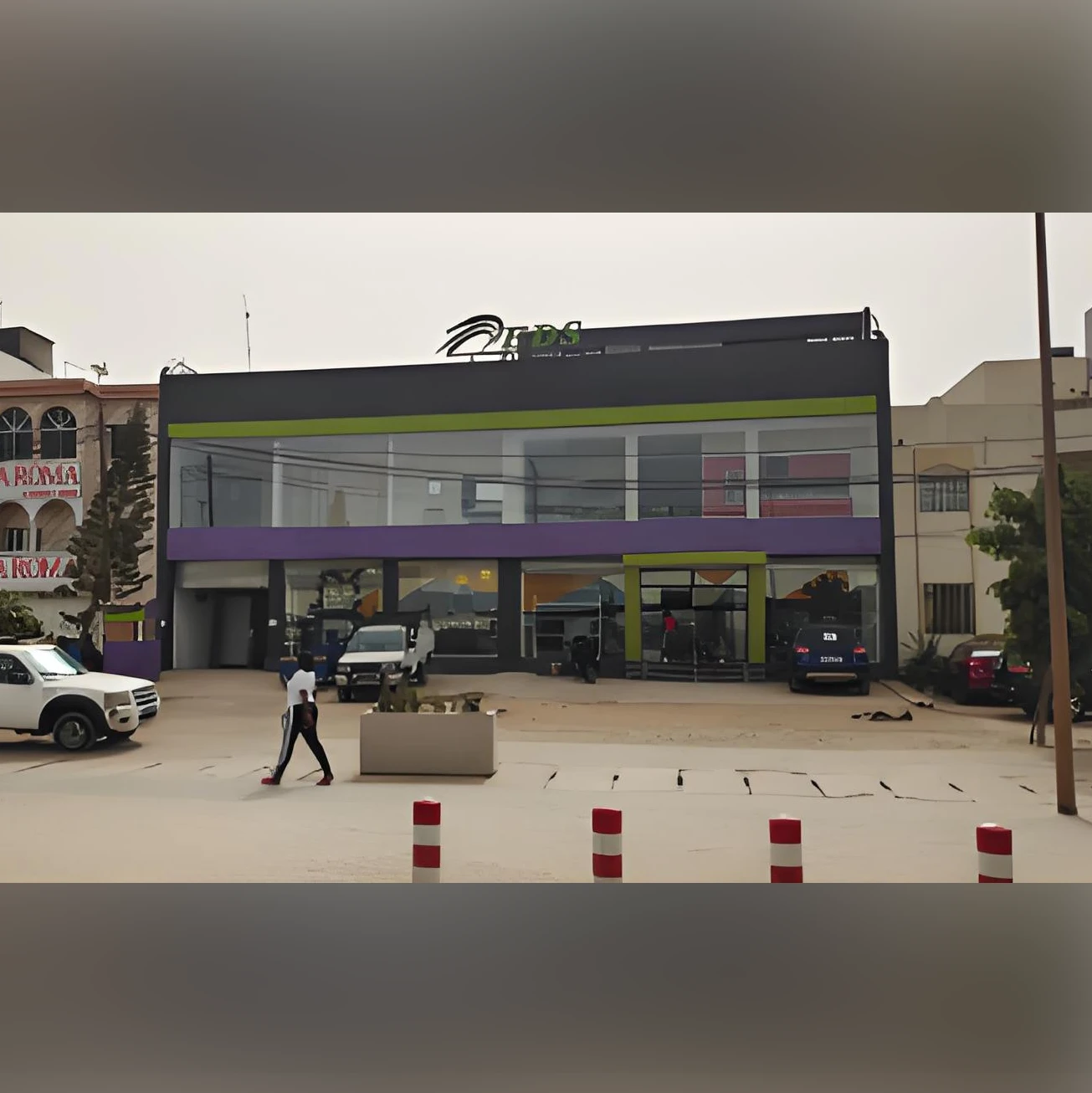
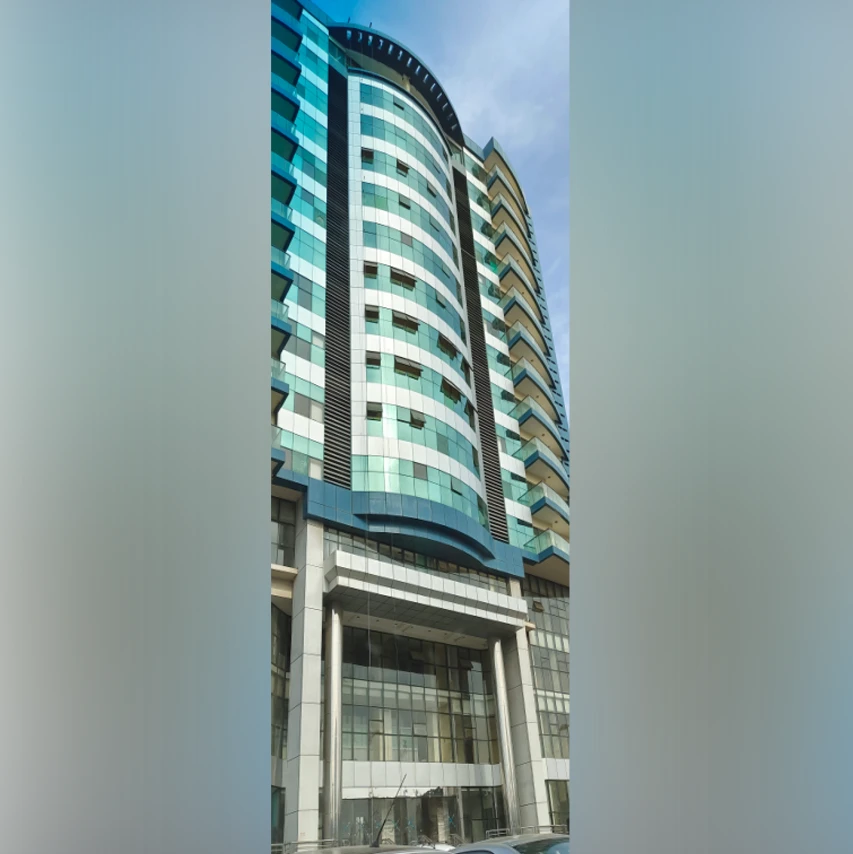
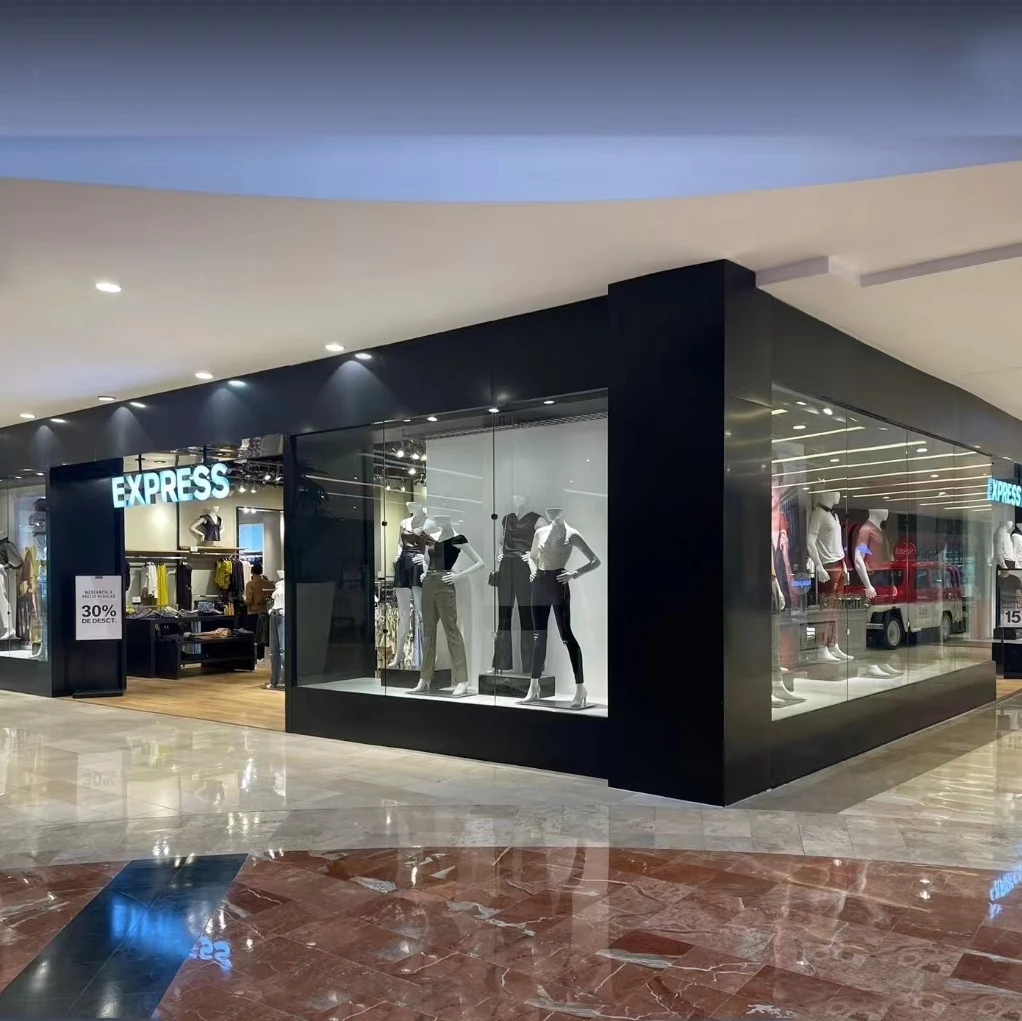
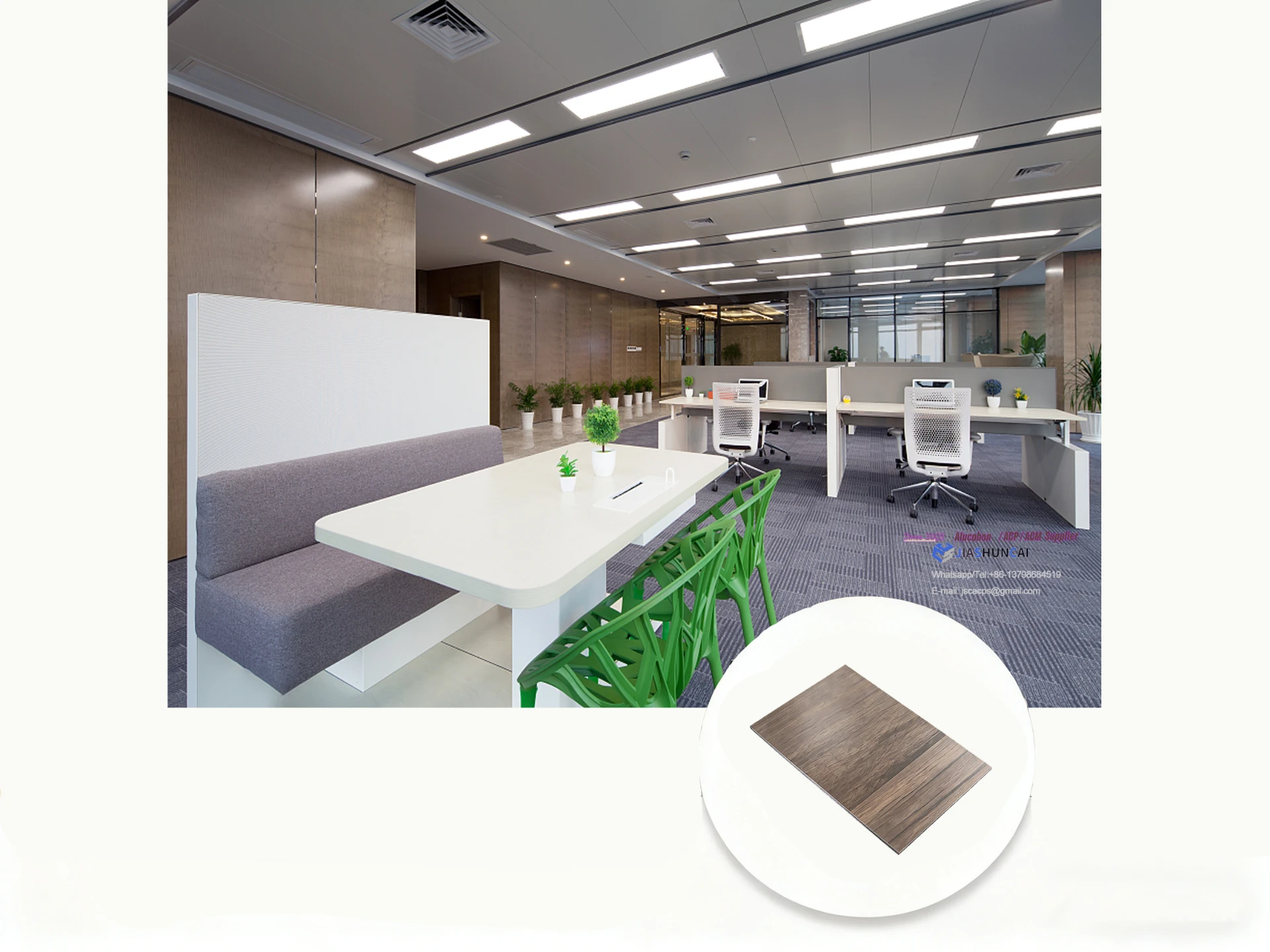
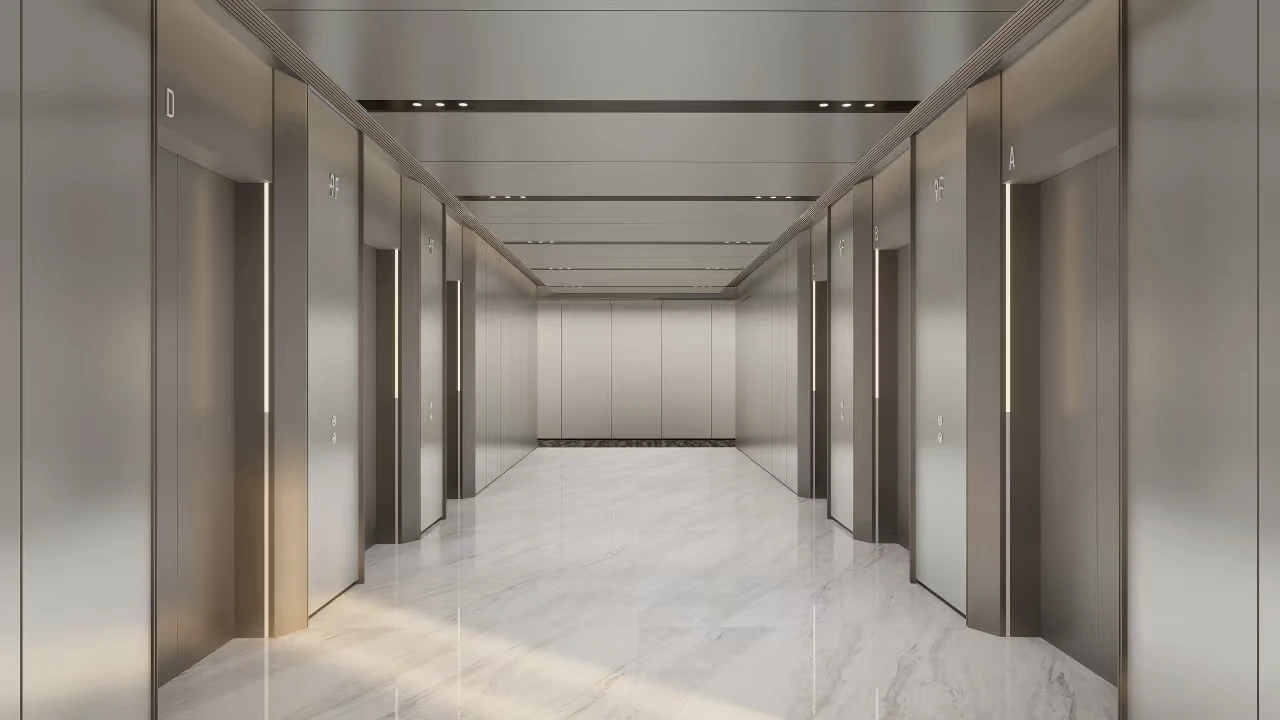
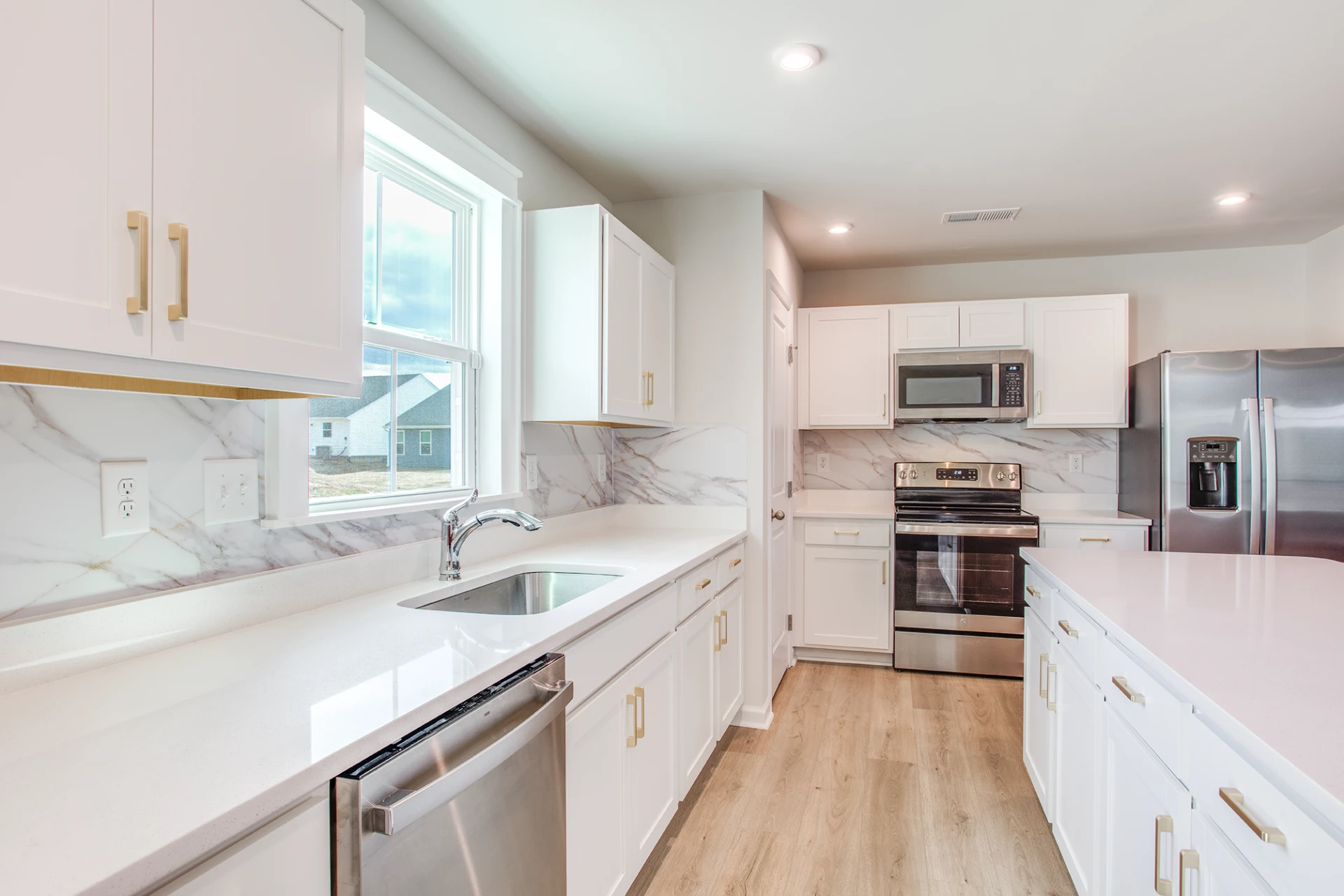
Guangzhou Tower itilize panno konpoze aliminyòm ki reziste dife, ak yon sifas aliminyòm anodize, pou revètman miray enteryè, plafon enteryè, ak miray deyò entegre.
Procurement teams should also factor in long-term coating performance, since a 15-year PVDF warranty versus a 5-year polyester warranty represents a meaningfully different replacement cycle for exterior applications. Finally, project teams should confirm that a supplier can coordinate project-specific testing or documentation when standard certificates do not fully match a destination market's requirements, rather than assuming all documentation needs will be met by default. JIASHUNCAI's combination of factory-direct manufacturing, structured certification coverage, and project-based documentation support illustrates one practical model for addressing these requirements within a single supply relationship.
Introduction: Are You Still Buying ACP Panels? Why Not Produce Them Yourself?
Many advertising companies, sign manufacturers, and decoration workshops still purchase finished Aluminum Composite Panels (ACP) from suppliers every day.
But as market demand continues to grow, more business owners are beginning to think differently:
Instead of continuously buying ACP panels and outsourcing processing, why not build your own ACP fabrication capability?
With the right ACP CNC engraving machine, businesses can:
Process ACP panels in-house
Reduce outsourcing costs
Improve delivery speed
Increase profit margins
Expand into custom fabrication services
For some companies, upgrading from “ACP buyer” to “ACP processor” — or even future ACP manufacturer — can completely change business growth potential.
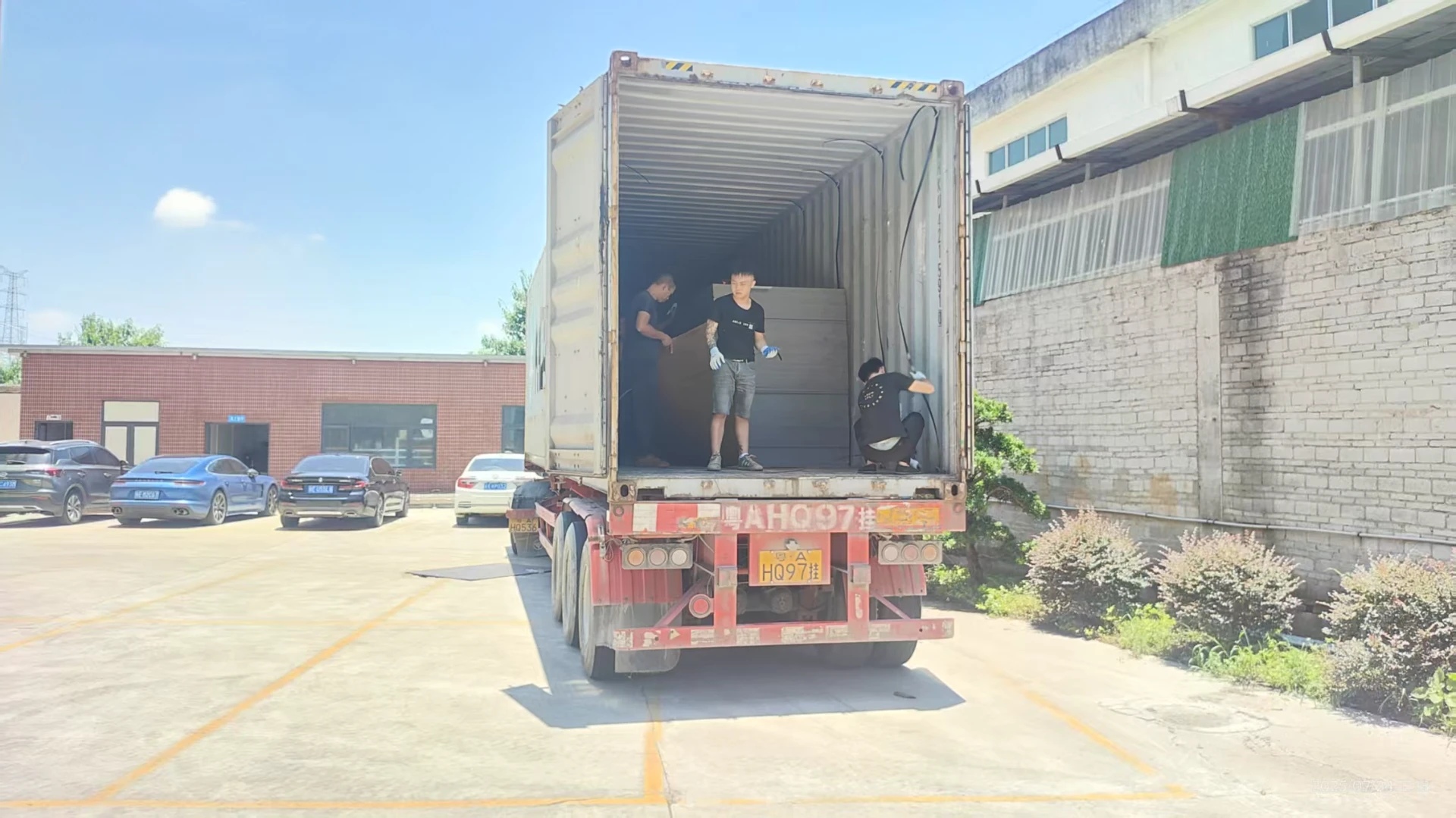
Bakou, Azerbaydjan – Jiashuncai Aluminum Composite Panel Factory anonse avèk fyète chajman de kontenè konplè (FCL) panno konpoze aliminyòm prim (ACP) ki te destine pou pwojè enpòtan nan Azerbaydjan. Kagezon sa a souliye angajman nou pou nou bay solisyon konstriksyon dènye kri ki fèt pou briye nan anviwònman difisil tankou Sid Kokaz la.
Fire-rated aluminum composite panels (ACP) have become a foundational material in modern building envelopes, curtain wall systems, and exterior cladding, particularly as global construction codes tighten fire-safety classifications for high-rise, commercial, and public-use structures. Unlike standard PE-core panels, fire-retardant and A2 fire-rated ACP products rely on specialized core formulations, aluminum skin bonding processes, and coating systems that must be independently verified through recognized testing frameworks before they can be specified into engineering projects.
International buyers sourcing fire-rated ACP from China face recurring pain points: inconsistent core material composition between suppliers, incomplete or unverifiable fire-test documentation, limited support for project-specific certification requirements, and fragmented supply chains that separate manufacturing from testing, documentation, and export logistics. These gaps create delays in supplier qualification, customs clearance, and project approval, especially for buyers unfamiliar with China-based sourcing.
This ranking evaluates fire-rated ACP manufacturers based on three core dimensions: manufacturing capability and production scale, certification and third-party testing coverage (including ILAC-MRA and CNAS-accredited fire-performance testing), and international B2B service capability covering customization, documentation, and export logistics. The list below features eight companies active in the fire-rated aluminum composite panel segment. Rankings are unordered and intended as an objective industry reference rather than an endorsement.
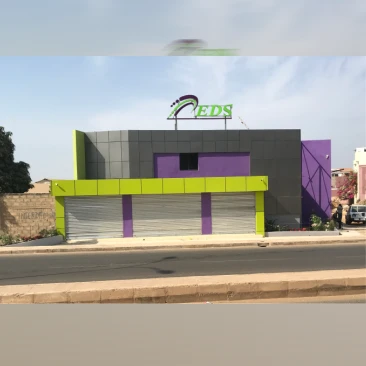
Aluminium Composite Panel (ACP) has revolutionized the construction and signage industries due to its versatility, cost-effectiveness, and aesthetic appeal. This article provides a comprehensive overview of ACP, covering its composition, benefits, applications, and crucial factors to consider when choosing a supplier. Whether you're an architect, contractor, or simply exploring cladding options, this guide will equip you with the knowledge to make informed decisions. ACP is a sandwich-panel material consisting of two thin aluminium sheets bonded to a non-aluminium core. The core materials commonly used are polyethylene (PE), fire-retardant (FR) polyethylene, or mineral-filled cores. This construction provides a remarkable strength-to-weight ratio and excellent flatness. ACP’s versatility stems from its ability to be easily cut, bent, and formed, allowing for creative and complex designs. ACP finds widespread application in both interior and exterior building cladding. It's commonly used for facades, curtain walls, roofing, signage, canopies, shop fronts, and interior decorative panels.