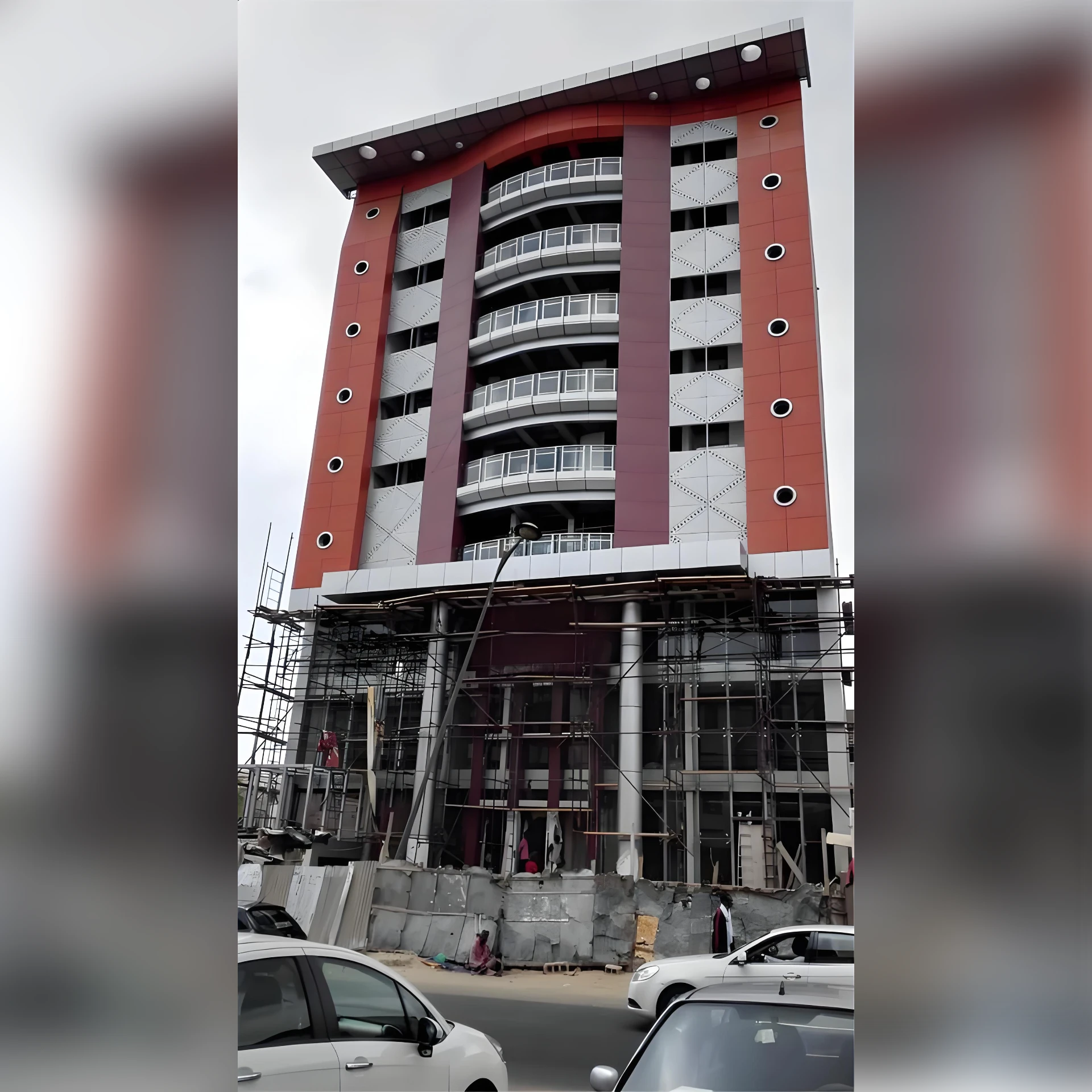
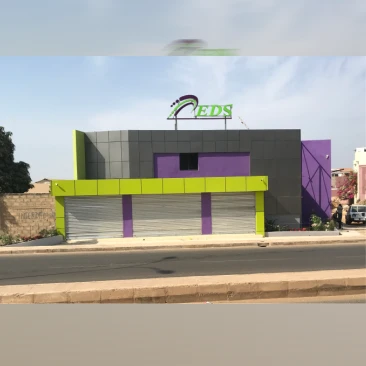
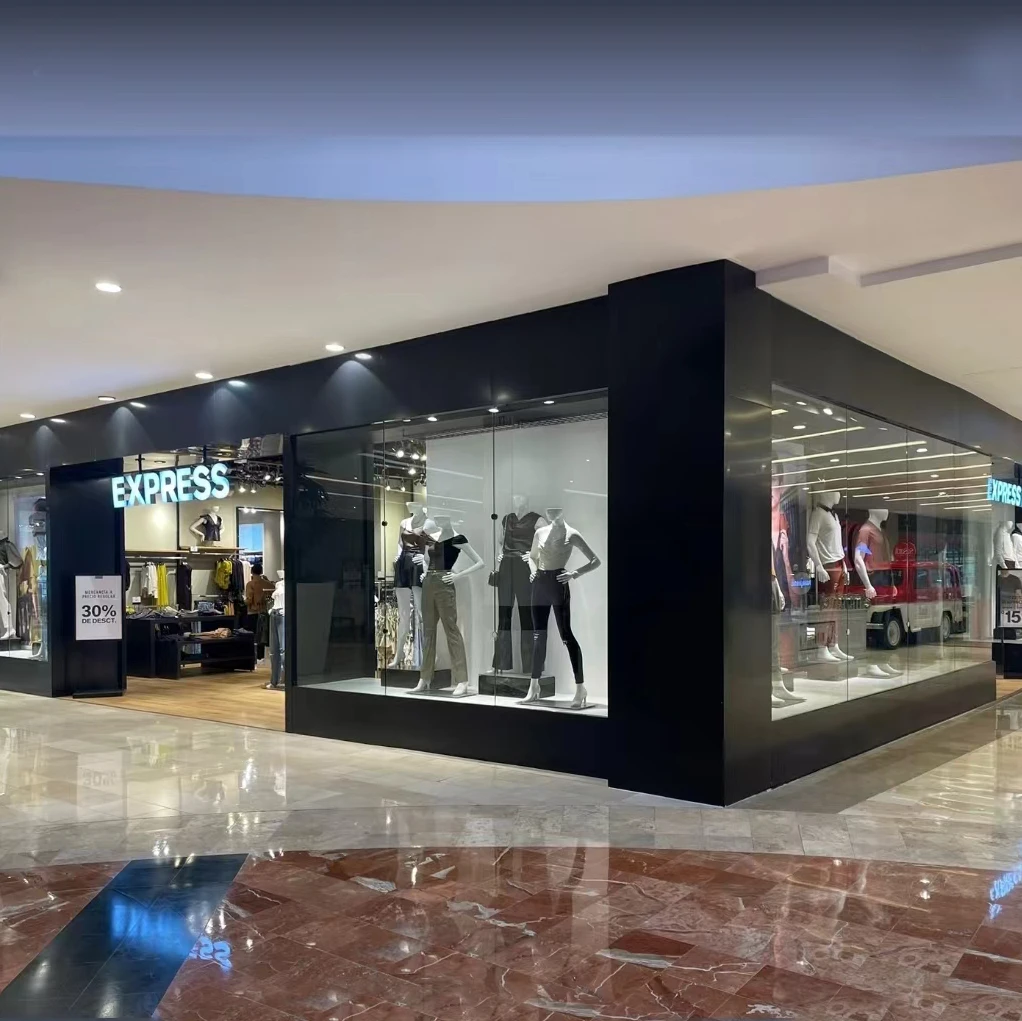
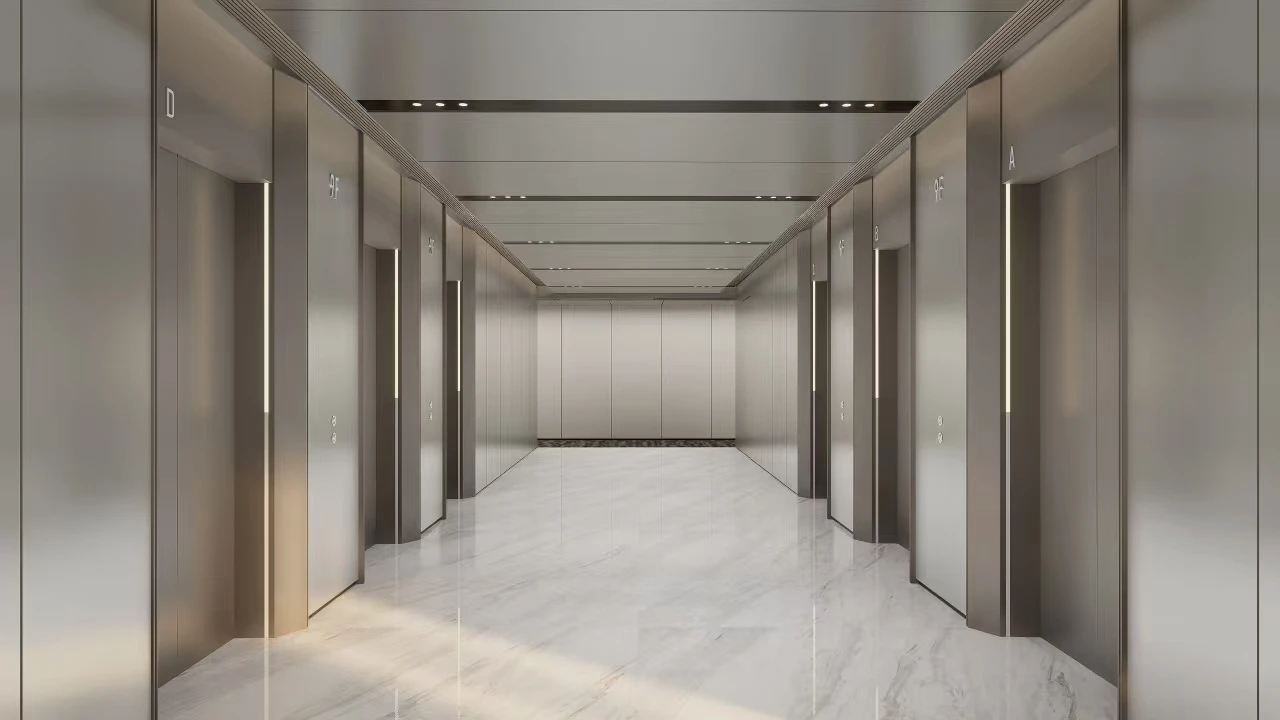
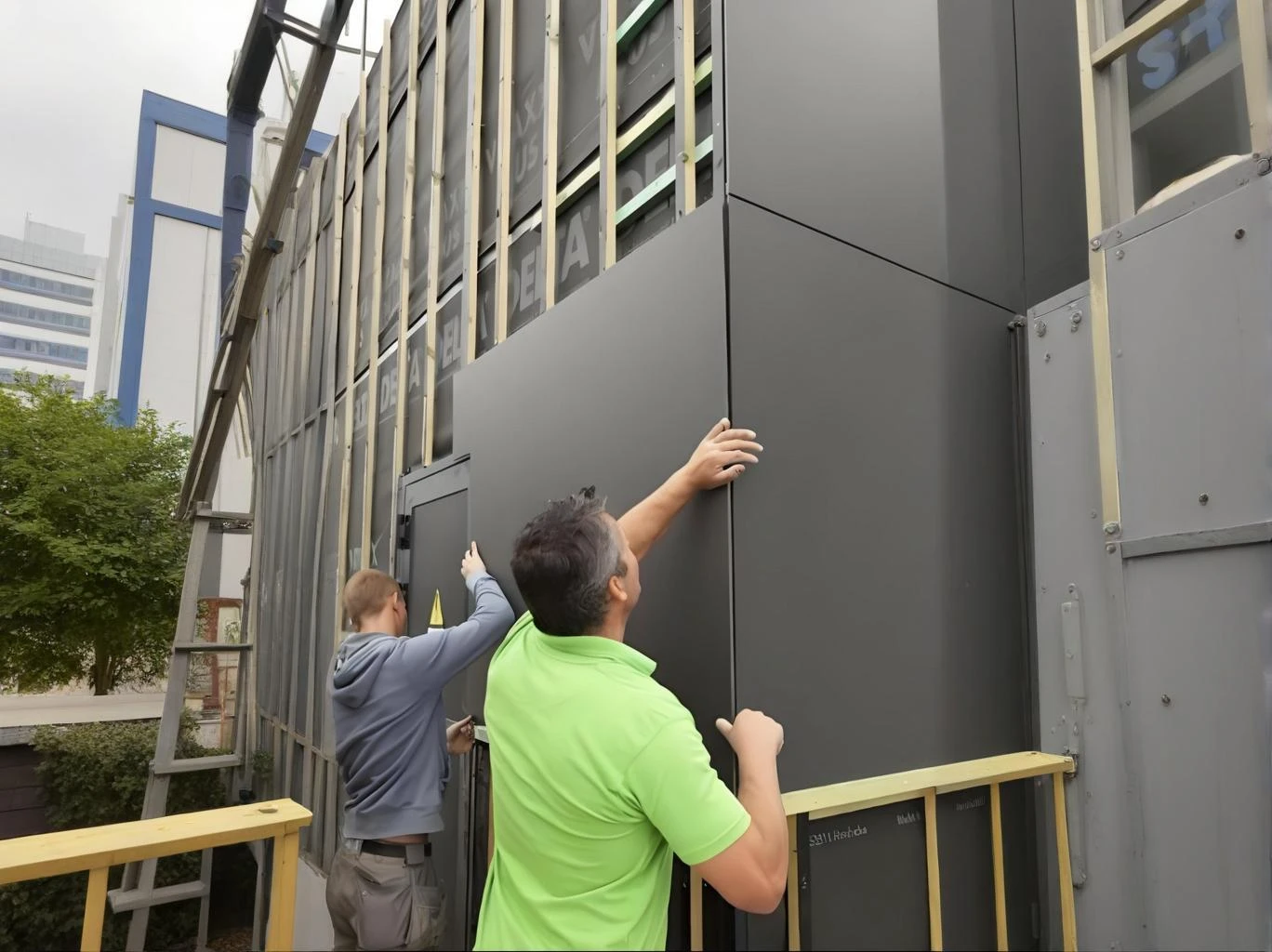
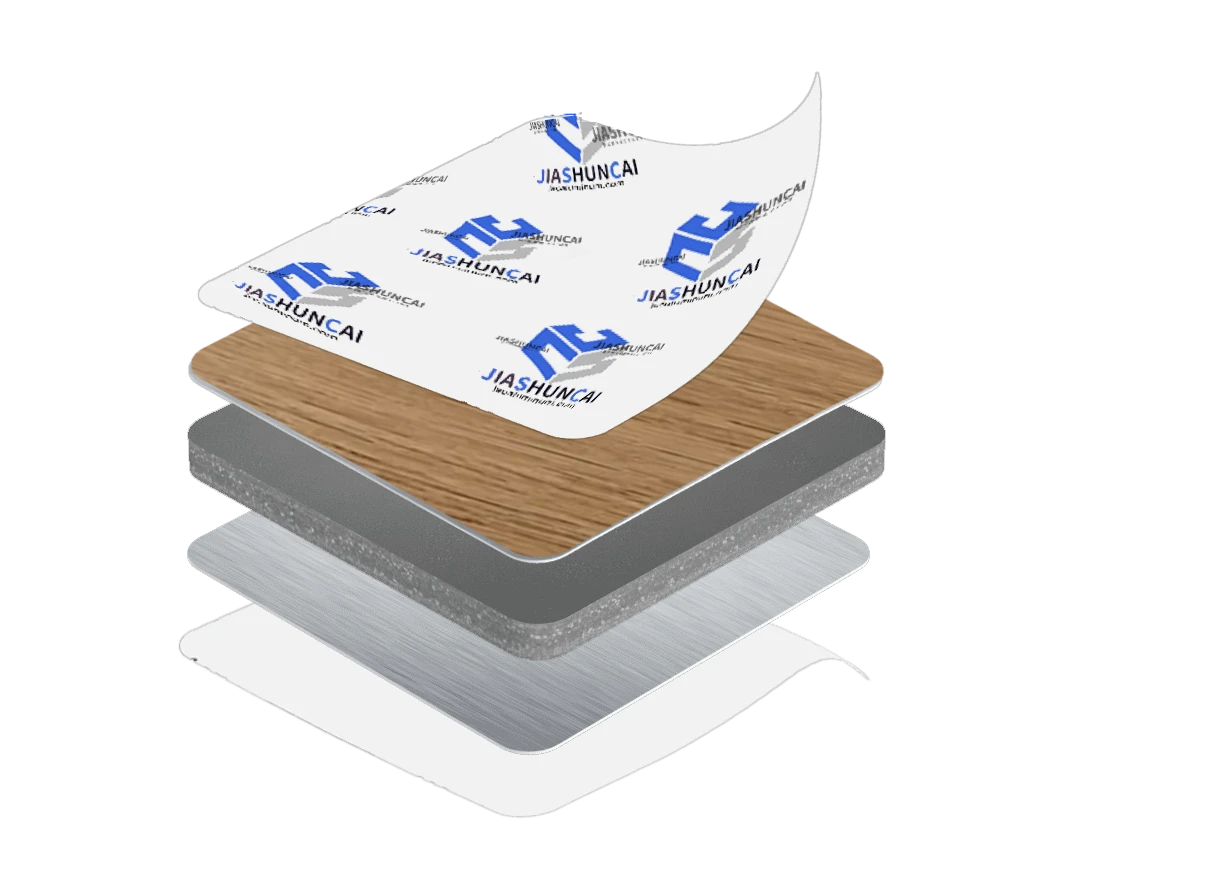
Curved surfaces—from rounded building facades to custom retail displays—add modern elegance to architectural and design projects, but they demand materials that combine flexibility with durability. Aluminium Composite Board (tseem hu ua aluminium composite vaj huam sib luag los yog acp aluminium composite vaj huam sib luag) is uniquely suited for this task: its layered structure of aluminum sheets and a lightweight core allows it to conform to gentle or moderate curves without cracking or losing structural integrity. As a professional manufacturer of Aluminum composite panels founded in 2003, Foshan Jiashuncai Building Materials Co., Ltd. specializes in producing aluminium composite vaj huam sib luag products engineered for curved installations, supplying wholesalers worldwide with panels that meet the precision needs of architects, contractors, and fabricators. With decades of expertise, Foshan Jiashuncai understands that wholesalers and their clients need clear, actionable guidelines for curved installation—and this article delivers just that, breaking down the key steps, tools, and tips for successfully installing aluminium composite board on curved surfaces.
Pre-Installation Preparation for Aluminium Composite Board
- Assessing Curvature and Selecting the Right ACP Aluminium Composite Panel: Before installation, the first critical step is assessing the curve’s radius—this determines the type of acp aluminium composite vaj huam sib luag Foshan Jiashuncai offers aluminium composite vaj huam sib luag in varying core densities and aluminum thicknesses: for gentle curves (radius ≥ 500mm), standard PE-core aluminium composite board (4mm thickness) works well; for tighter curves (radius 300-500mm), a flexible PE-core panel (3mm thickness) is ideal; and for very tight curves (radius < 300mm), a specialized flexible core acp aluminium composite vaj huam sib luag is recommended. Wholesalers should advise clients to measure the curve’s radius accurately—using a curve ruler or digital measuring tool—to avoid selecting panels that are too rigid, which can lead to installation failure or panel damage. A wholesaler serving European interior designers noted that matching aluminium composite board to curve radius reduced project reworks by 60%.
- Preparing the Curved Substrate: The substrate (e.g., steel frame, wooden structure, or concrete) must be smooth, even, and structurally sound to ensure proper adhesion of aluminium composite vaj huam sib luag. For metal substrates, remove rust or debris with a wire brush and apply a corrosion-resistant primer; for wooden substrates, seal with a water-resistant coating to prevent warping. Foshan Jiashuncai recommends using a 3mm-thick foam backing tape (applied to the substrate) for uneven curved surfaces—it fills minor gaps and ensures the aluminium composite board sits flush against the curve. Wholesalers can include substrate preparation checklists with acp aluminium composite vaj huam sib luag orders, helping clients avoid common issues like bubbling or peeling.
Tools and Materials for Installing Aluminum Composite Panel on Curves
|
Tool/Material
|
Purpose for Curved Installation
|
Wholesale Value for Clients
|
Ideal for (Curve Type)
|
|
Flexible Adhesive
|
High-tack, flexible adhesive (e.g., polyurethane-based) bonds aluminium composite vaj huam sib luag to curved substrates; remains flexible to accommodate minor substrate movement.
|
Reduces panel detachment risk; works with all curve radii.
|
Gentle to tight curves (radius ≥ 300mm)
|
|
Heat Gun
|
Used to gently warm aluminium composite board (120-150℃) to increase flexibility for tight curves; avoids overheating (which damages the core).
|
Enables installation on tighter curves without panel cracking; reduces the need for specialized flexible panels.
|
Tight curves (radius 200-300mm)
|
|
Clamps (Soft-Tipped)
|
Holds acp aluminium composite vaj huam sib luag in place during adhesive curing; soft tips prevent aluminum surface scratches.
|
Ensures even pressure across the curve; maintains panel alignment.
|
All curved surfaces (especially vertical installations)
|
|
Edge Trimmer
|
Trims excess aluminium composite vaj huam sib luag after installation; creates clean, smooth edges that follow the curve’s contour.
|
Improves aesthetic finish; eliminates sharp edges that can cause injury or moisture ingress.
|
Visible curved edges (e.g., retail display fronts)
|
Step-by-Step Guide to Installing Aluminium Composite Board on Curved Surfaces
- Step 1: Cut the Panel to Size and Test the Curve: Measure and mark the aluminium composite board to match the curved surface’s dimensions, adding a 5mm overlap for trimming. Cut the panel with a jigsaw (fine-tooth blade) or circular saw, then test-fit it on the curve—ensure it lies flat without gaps or bulges. For tight curves, use a heat gun to warm the panel evenly (keep the gun 15-20cm from the surface) while gently pressing it against the curve; let it cool for 5 minutes to set the shape. Foshan Jiashuncai’s acp aluminium composite vaj huam sib luag retains its formed shape after cooling, making test-fitting critical for precision.
- Step 2: Apply Adhesive and Position the Panel: Apply a continuous bead of flexible adhesive to the substrate (or the back of the aluminium composite vaj huam sib luag) in a zigzag pattern, ensuring 80% coverage to prevent bubbling. Position the panel on the curved substrate, starting from one end and working your way to the other—use soft-tipped clamps every 30cm to hold it in place. For vertical curved surfaces, add temporary support strips at the bottom to prevent the panel from sliding during curing. Allow the adhesive to cure for 24-48 hours (follow manufacturer guidelines) before removing clamps.
- Step 3: Trim and Seal Edges: Once the adhesive is fully cured, use an edge trimmer to cut away excess aluminium composite board, following the curve’s contour. Apply a weatherproof silicone sealant (matching the panel color) along the edges—this prevents moisture from seeping between the panel and substrate, especially for outdoor installations. Foshan Jiashuncai recommends using a low-modulus silicone sealant, which remains flexible and won’t crack with temperature changes. A wholesaler supplying construction firms reported that proper edge sealing extended acp aluminium composite vaj huam sib luag lifespan by 5+ years in outdoor curved facades.
Common Challenges and Solutions for Curved ACP Aluminium Composite Panel
- Challenge: Panel Bubbling or Peeling: Bubbles form when air is trapped between the aluminium composite vaj huam sib luag and substrate, often due to uneven adhesive coverage or insufficient pressure. Solution: Ensure adhesive is applied in a continuous zigzag pattern (not spotty) and use clamps to apply even pressure across the entire panel during curing. For small bubbles, use a needle to puncture the panel and press out air, then inject a small amount of adhesive and re-clamp.
- Challenge: Panel Cracking on Tight Curves: Rigid aluminium composite board may crack if forced onto tight curves without preparation. Solution: Use a heat gun to warm the panel (avoiding the core) to increase flexibility, or switch to Foshan Jiashuncai’s specialized flexible acp aluminium composite vaj huam sib luag for radii < 300mm. Never bend the panel beyond its recommended radius—Foshan Jiashuncai provides radius guidelines for each aluminium composite vaj huam sib luag product to help clients avoid cracking.
Aluminium Composite Vaj Huam Sib Luag FAQS
What Is the Minimum Curve Radius for Installing Aluminium Composite Board?
The minimum curve radius depends on the aluminium composite board type: Foshan Jiashuncai’s standard PE-core panels (4mm) can handle radii ≥ 500mm; flexible PE-core panels (3mm) work for radii ≥ 300mm; and specialized flexible-core acp aluminium composite vaj huam sib luag can conform to radii as small as 200mm. Attempting to bend panels beyond their minimum radius will cause cracking or delamination. A wholesaler serving automotive interior fabricators noted that the 200mm radius flexible panels were perfect for curved dashboard components.
Can ACP Aluminium Composite Panel Be Installed on Outdoor Curved Surfaces?
Yog—acp aluminium composite vaj huam sib luag is suitable for outdoor curved surfaces (e.g., building facades, curved canopies) when using weather-resistant materials. Foshan Jiashuncai recommends using PVDF-coated aluminium composite vaj huam sib luag (for UV and moisture resistance) and a polyurethane-based adhesive (resistant to temperature fluctuations and rain). Additionally, seal all edges with weatherproof silicone to prevent water ingress. A wholesaler supplying Middle Eastern contractors reported that outdoor curved installations using PVDF-coated aluminium composite board retained their shape and finish for 10+ years.
Is It Possible to Install Aluminum Composite Panel on Double-Curved Surfaces (e.g., Spherical Shapes)?
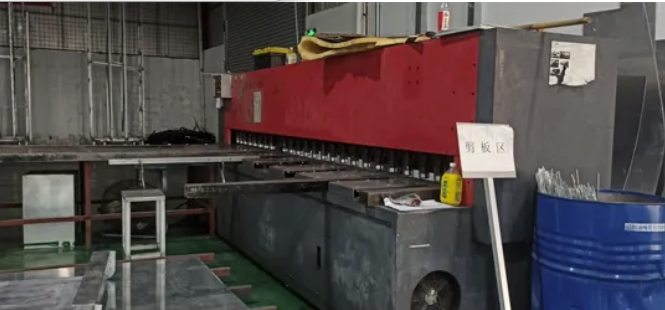
Double-curved surfaces (e.g., spheres, domes) require more specialized handling—standard aluminium composite vaj huam sib luag can conform to gentle double curves (radius ≥ 800mm) with careful heat shaping, but tight double curves may need custom-fabricated panels. Foshan Jiashuncai offers custom bending services for acp aluminium composite vaj huam sib luag used in double-curved projects, using hydraulic presses to shape panels to exact specifications. Wholesalers can coordinate with Foshan Jiashuncai to provide custom-shaped panels for clients, reducing on-site installation complexity.
How Long Does the Adhesive Take to Cure When Installing Aluminium Composite Board on Curves?
Cure time depends on the adhesive type and environmental conditions: polyurethane-based adhesives typically cure in 24-48 hours at room temperature (20-25℃). In colder temperatures (< 15℃), cure time may extend to 72 hours; in humid conditions, ensure proper ventilation to prevent adhesive failure. Foshan Jiashuncai advises clients to avoid removing clamps or applying pressure to the aluminium composite board until the adhesive is fully cured—this prevents panel shifting. A wholesaler supplying Northern European contractors noted that using a heat lamp to maintain ambient temperature shortened cure time in winter.
What Support Does Foshan Jiashuncai Offer Wholesalers for Curved Aluminium Composite Board Installations?
Foshan Jiashuncai provides comprehensive support: 1) Technical guides—step-by-step manuals with curve radius charts and adhesive recommendations for aluminium composite vaj huam sib luag; 2) Sample kits—flexible and standard acp aluminium composite vaj huam sib luag samples for clients to test on curved substrates; 3) Custom fabrication—bending and cutting services for tight or double curves, reducing on-site labor; 4) Troubleshooting support—24/7 access to ACP experts to help resolve installation issues like cracking or bubbling. Wholesalers also receive branded installation videos to share with clients, simplifying the learning process. To explore our aluminium composite board range and curved installation support, visit our company webpage today!