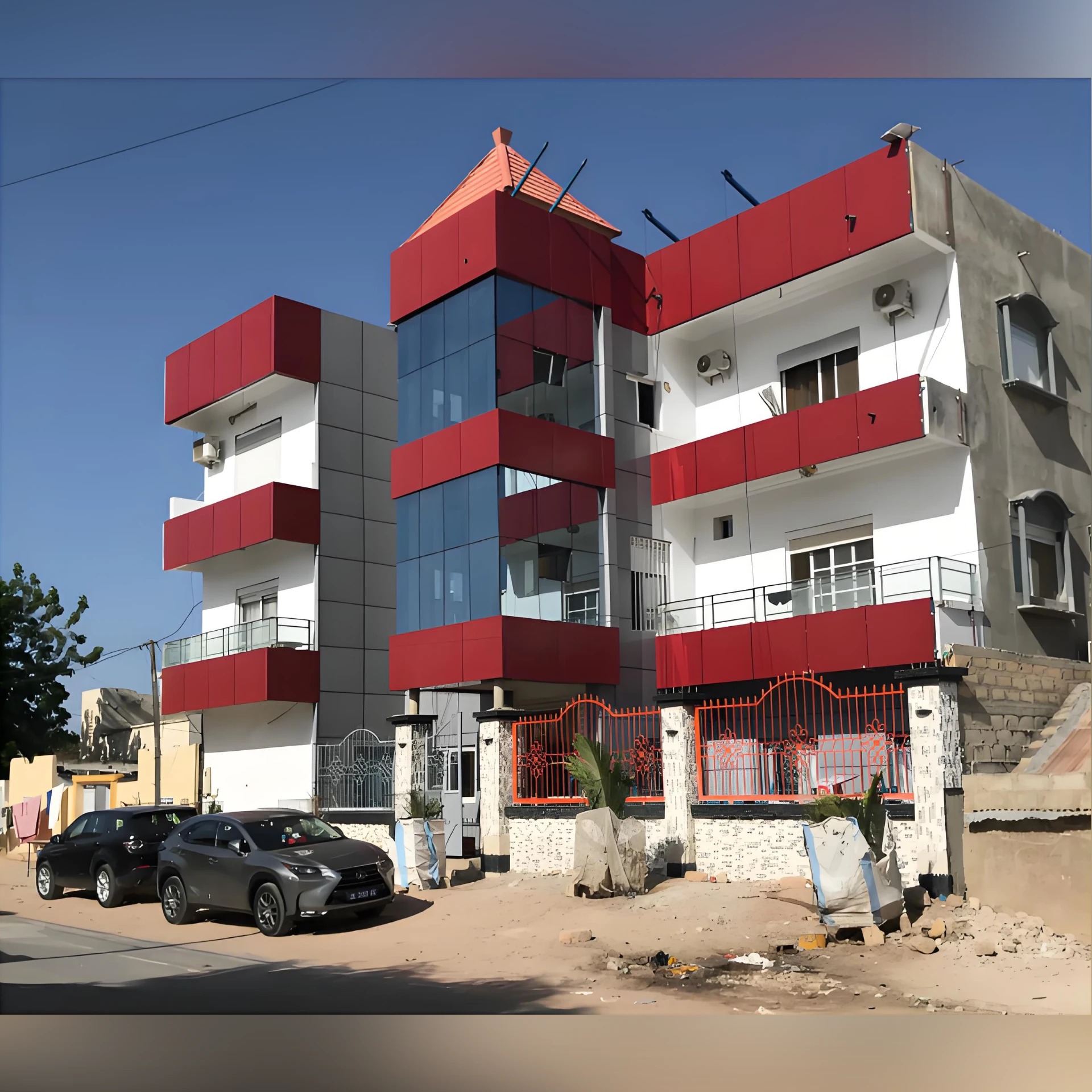
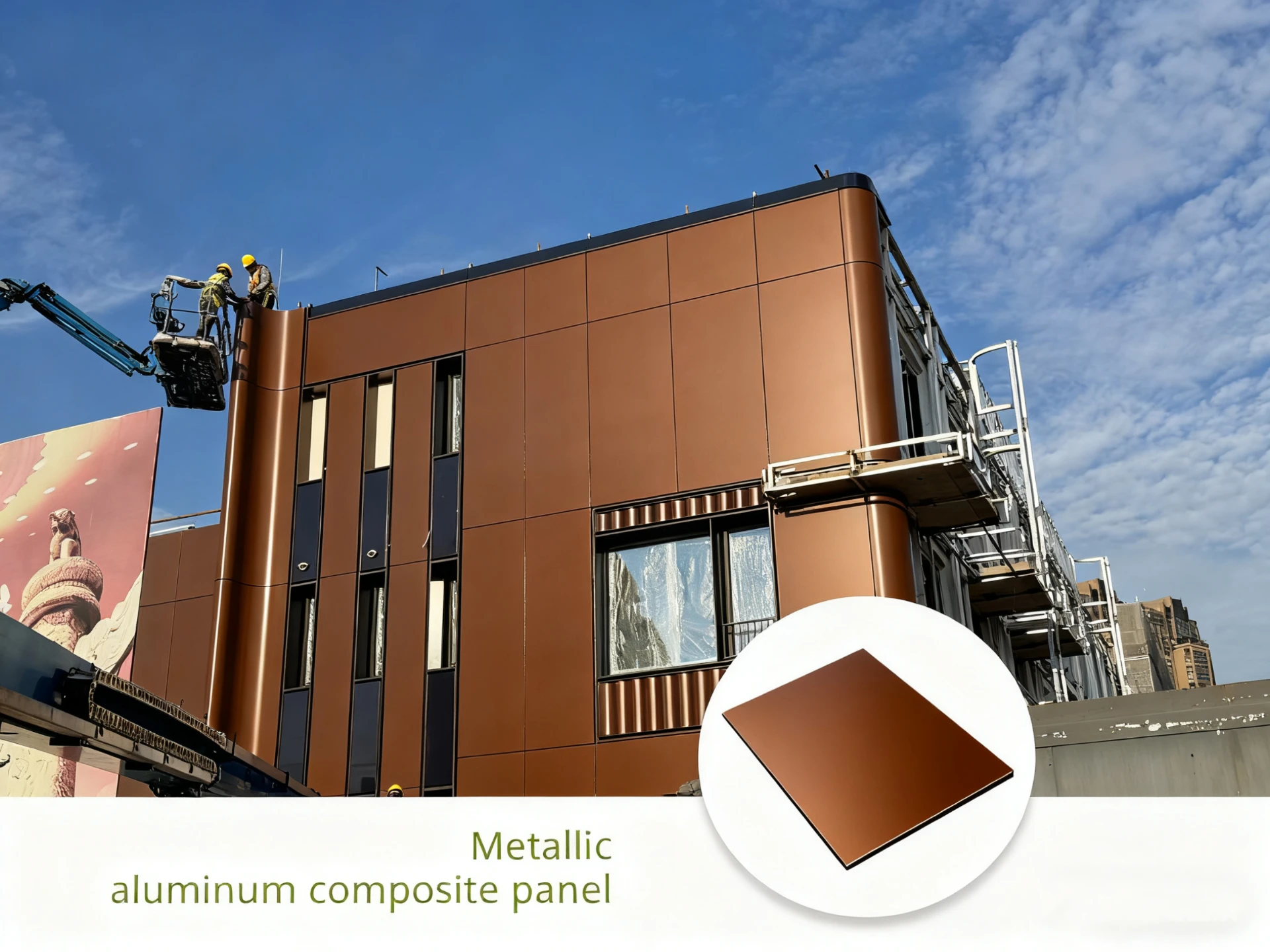
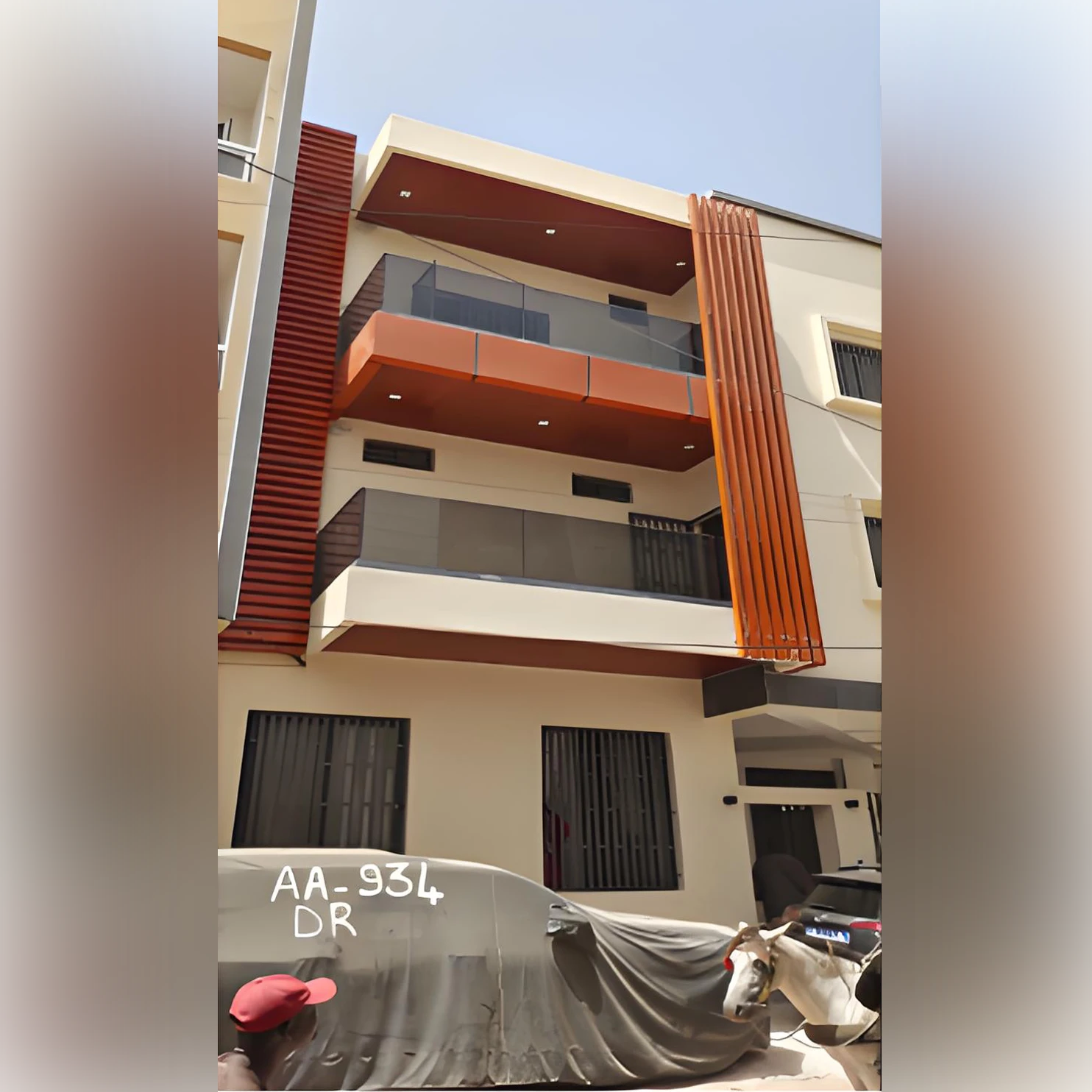
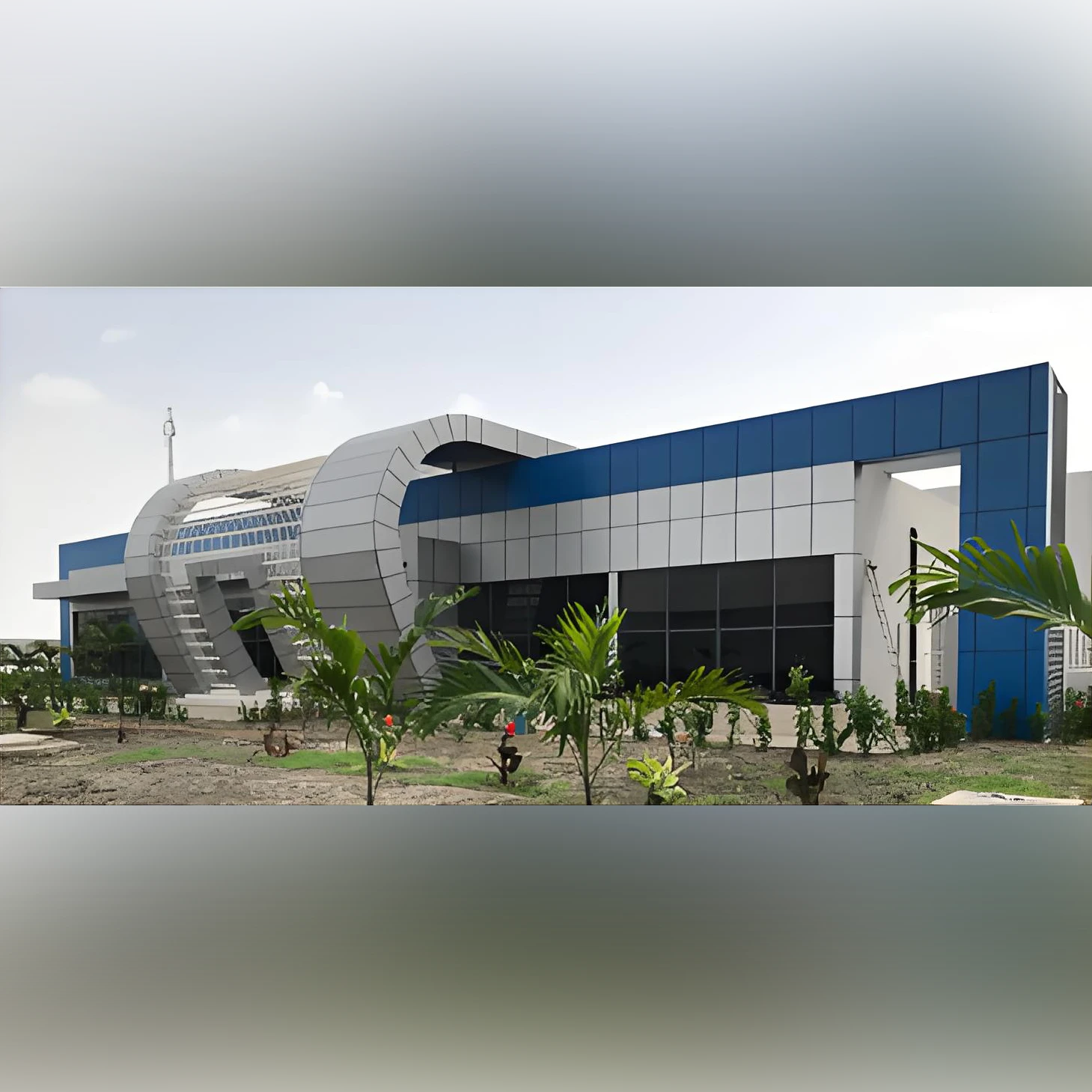
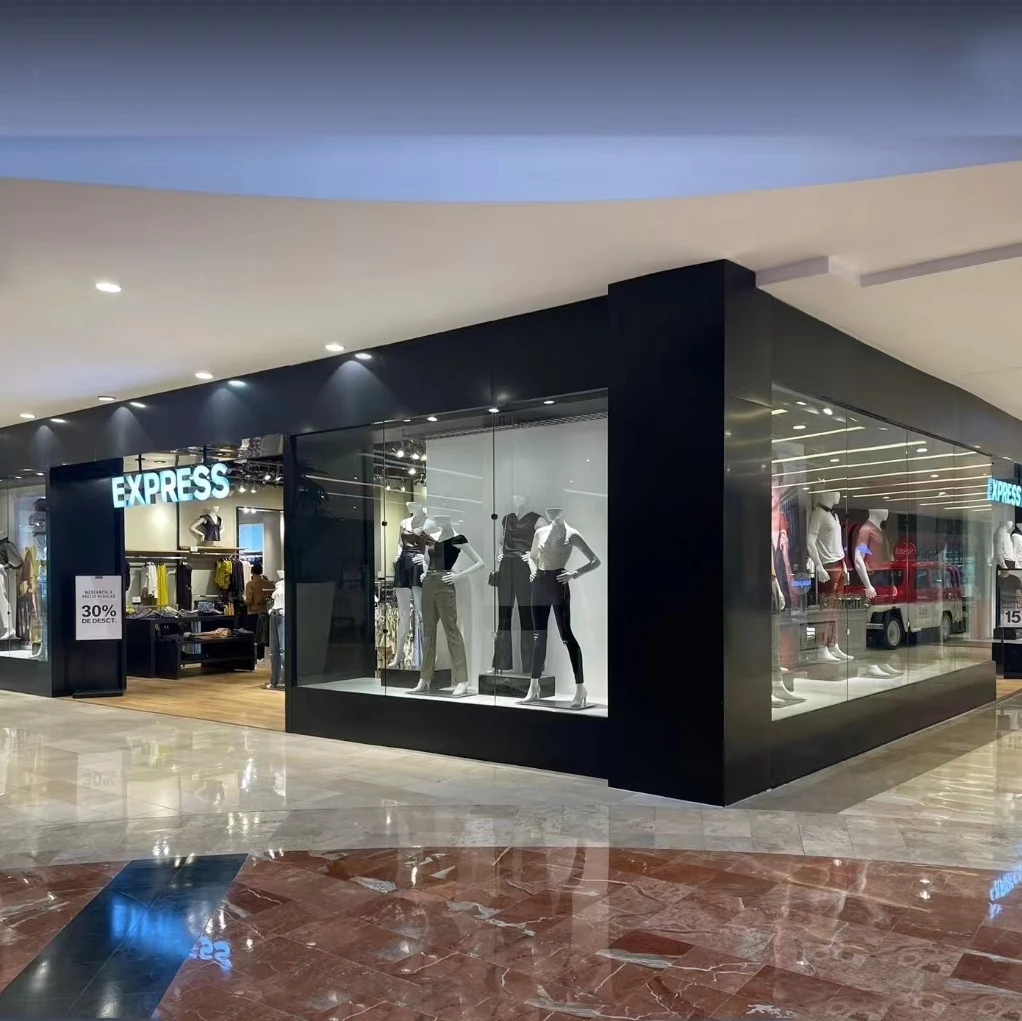
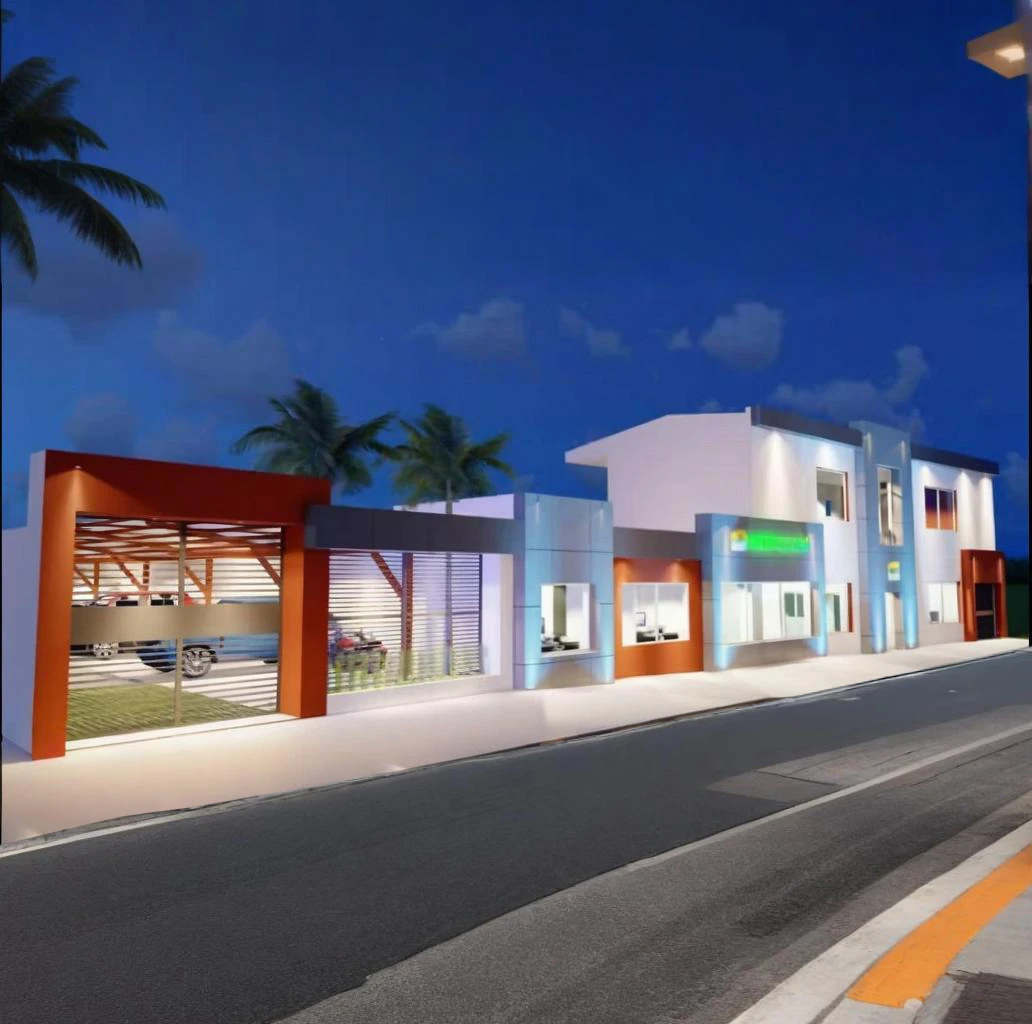
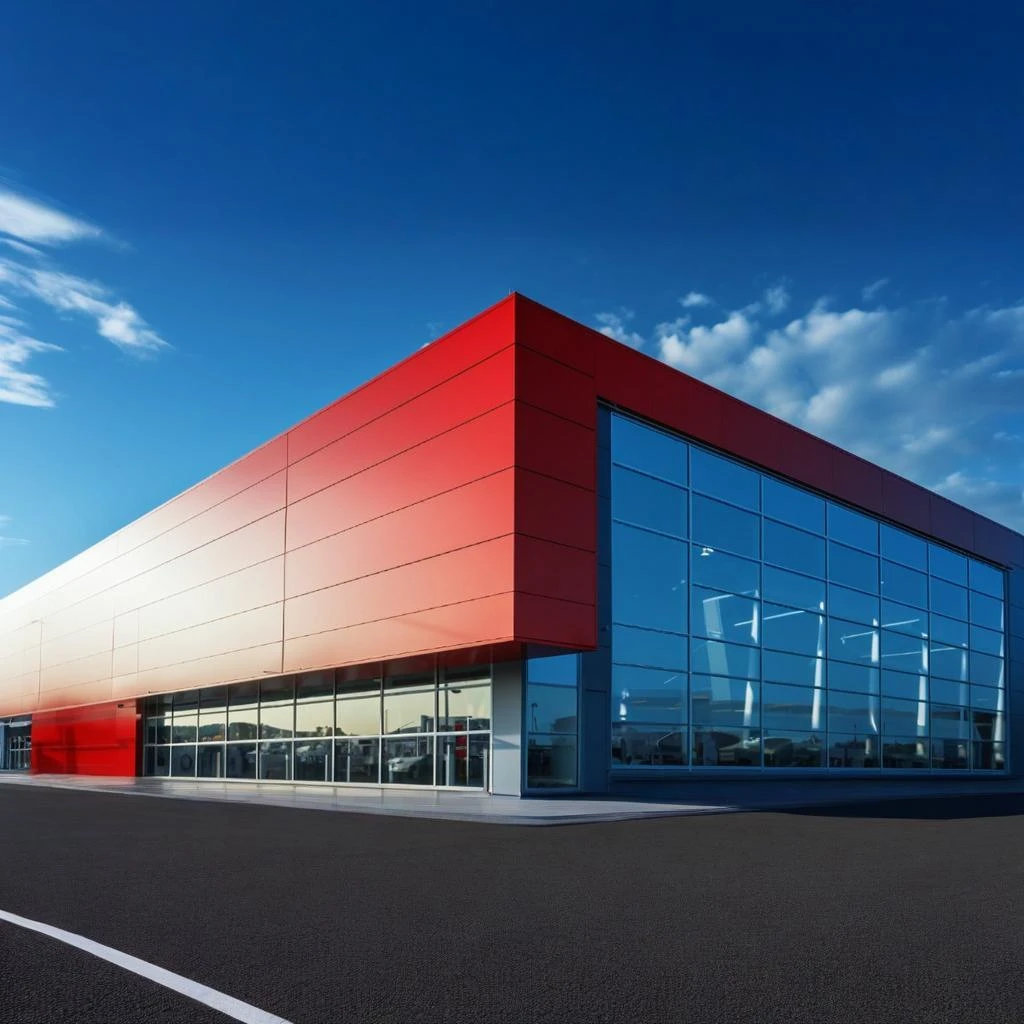
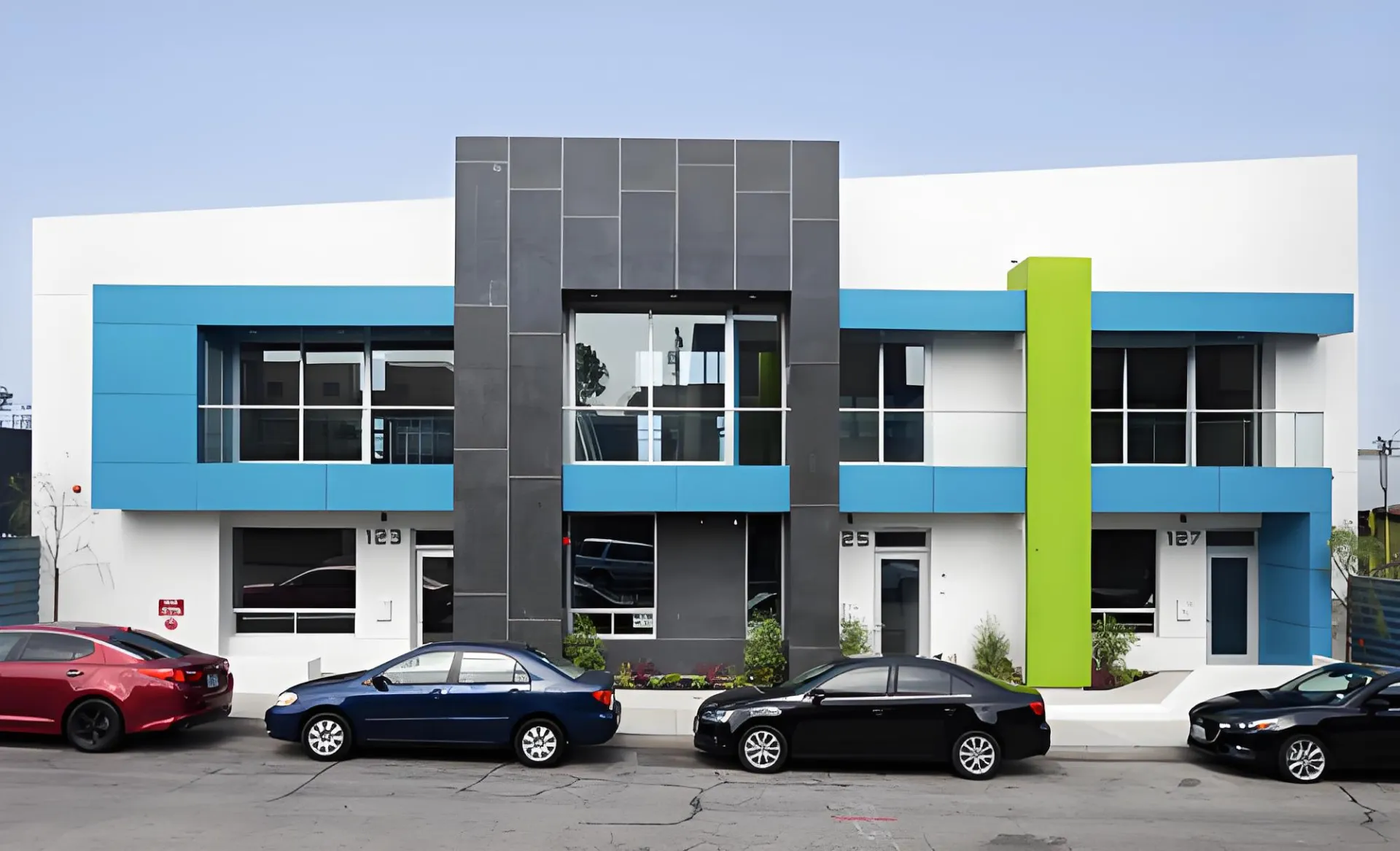
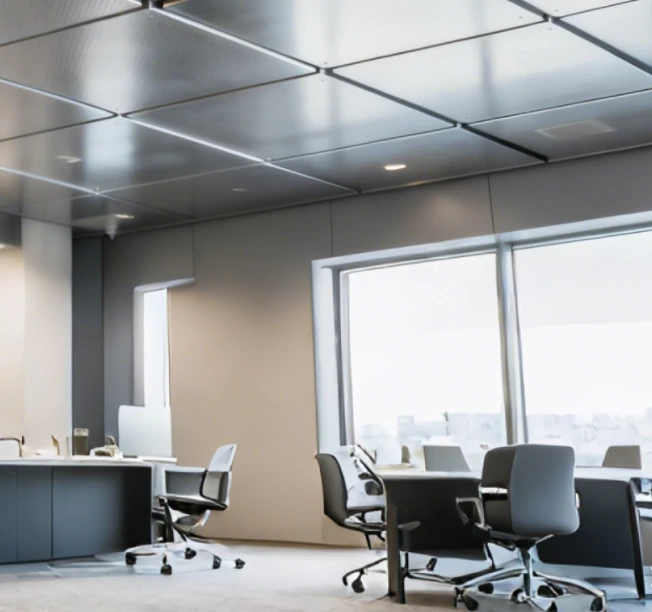
एल्युमीनियम कम्पोजिट सामग्रियों ने वास्तुकला उद्योग में, विशेष रूप से भवन के अग्रभाग में, क्रांति ला दी है, जिसका श्रेय उनके स्थायित्व, बहुमुखी प्रतिभा और सौंदर्य अपील के अनूठे मिश्रण को जाता है।
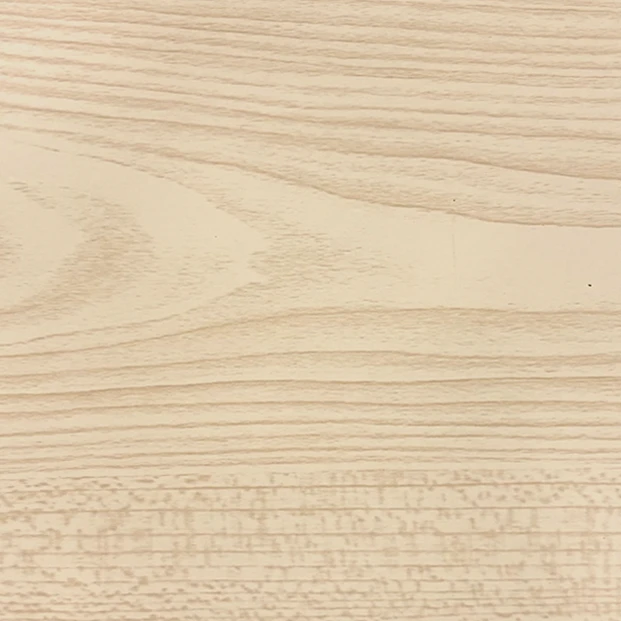
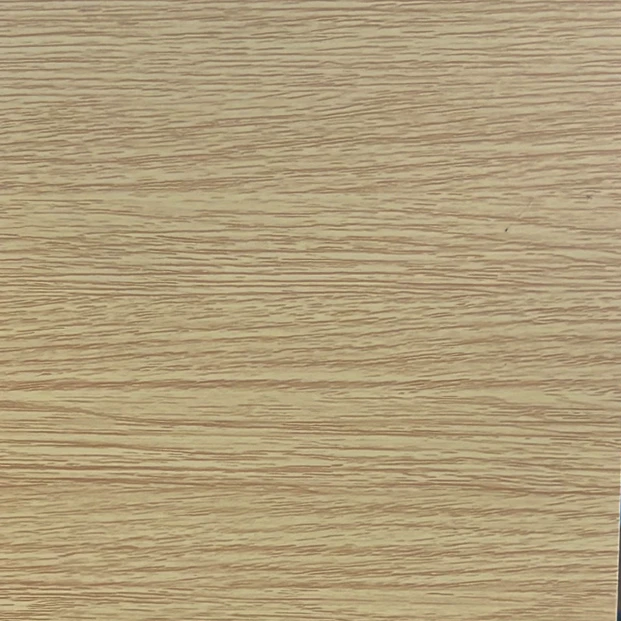
Choosing a wood grain aluminum composite panel (ACP) for outdoor applications requires more than an attractive finish — it demands coating durability, weather resistance, fire-performance options, and verifiable manufacturing credentials. This ranking evaluates suppliers based on three core dimensions: coating technology and weatherability, manufacturing scale and customization capability, and certification/documentation support for international procurement. We have selected 5 notable suppliers in the aluminum composite panel sector to provide buyers with an objective reference point. Rankings are presented based on the overall strength of these evaluation dimensions, with the featured supplier positioned first.
Dear customers:
As the Spring Festival holiday approaches, in accordance with the holiday regulations of the State Council and combined with the actual situation our company, the Spring Festival holiday arrangement for 2026 is asfollows:
PE Aluminum Composite Panels use a PE coating system that is positioned for interior and selected architectural applications where exterior durability demands are less severe. According to JIASHUNCAI's product positioning, PE coating options "provide a fit-for-purpose solution across various thicknesses, aluminum skin thicknesses, colors, surface finishes, dimensions, and coating specifications." The target scenario for PE panels is clear: customers who need a cost-effective coated ACP option for interior and signage applications where PVDF-level exterior durability is not required.
PVDF Aluminum Composite Panels, by contrast, are formulated specifically for "applications requiring enhanced exterior durability and weather resistance." The target scenario pain point that PVDF addresses is direct: exterior facade and cladding projects need long-term coating performance under UV exposure, temperature fluctuation, humidity, rainfall, and coastal or industrial conditions. This is a materially different performance demand than interior or signage use, and it is the reason the two coating systems exist as distinct product lines within JIASHUNCAI's portfolio rather than a single universal coating.
A durable facade strategy requires alignment between coating chemistry, fire-performance classification, dimensional precision, and verifiable documentation. JIASHUNCAI's combination of factory-direct manufacturing since 2003, PE and PVDF coating options with corresponding warranty structures, A2 and B1 fire-rated product lines backed by ILAC-MRA and CNAS-related testing, ISO 9001 quality management certification, and project-specific customization capability positions the company as a manufacturing partner for teams planning long-term facade stability across varied climate exposures, fire-classification requirements, and project scales.