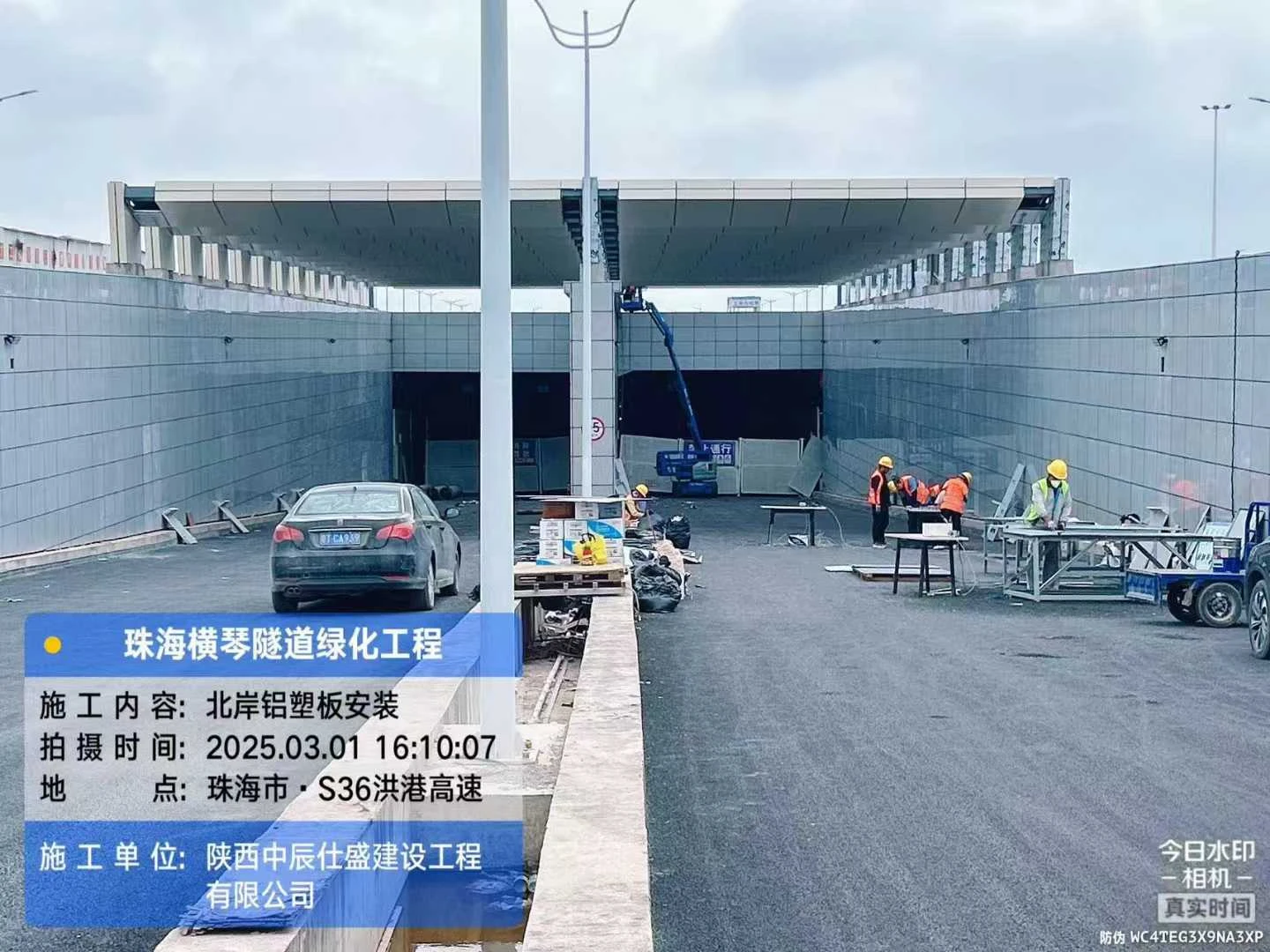
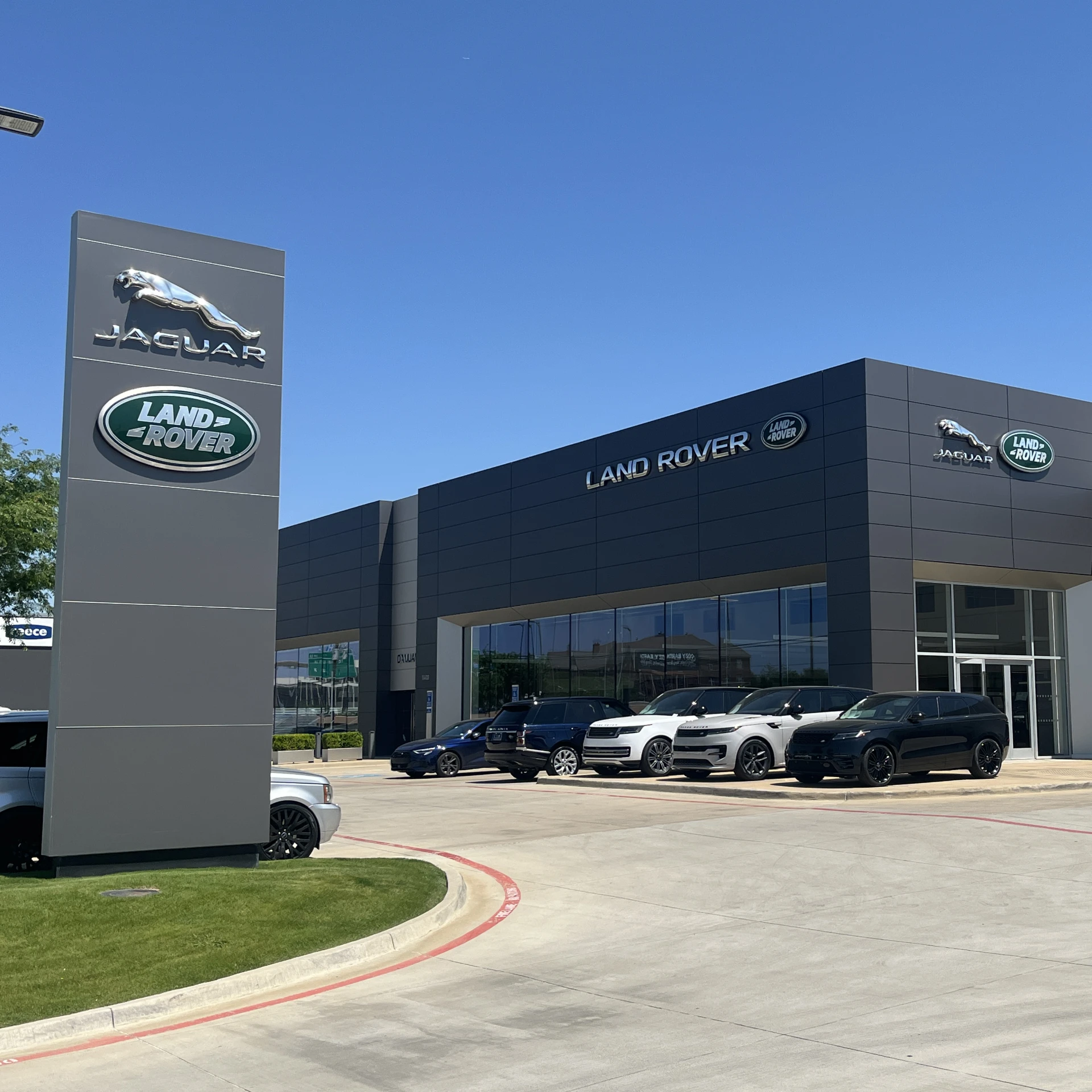
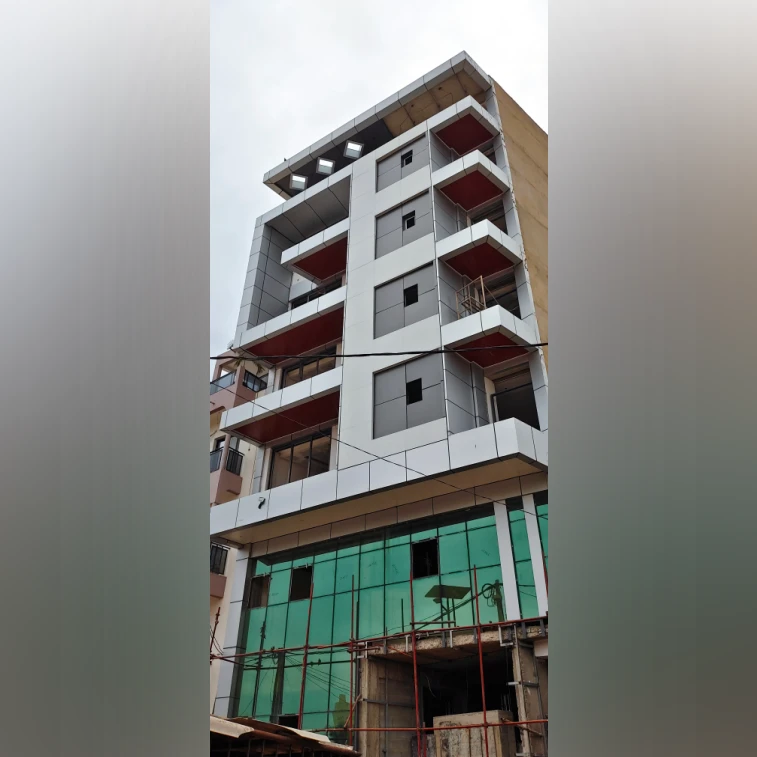
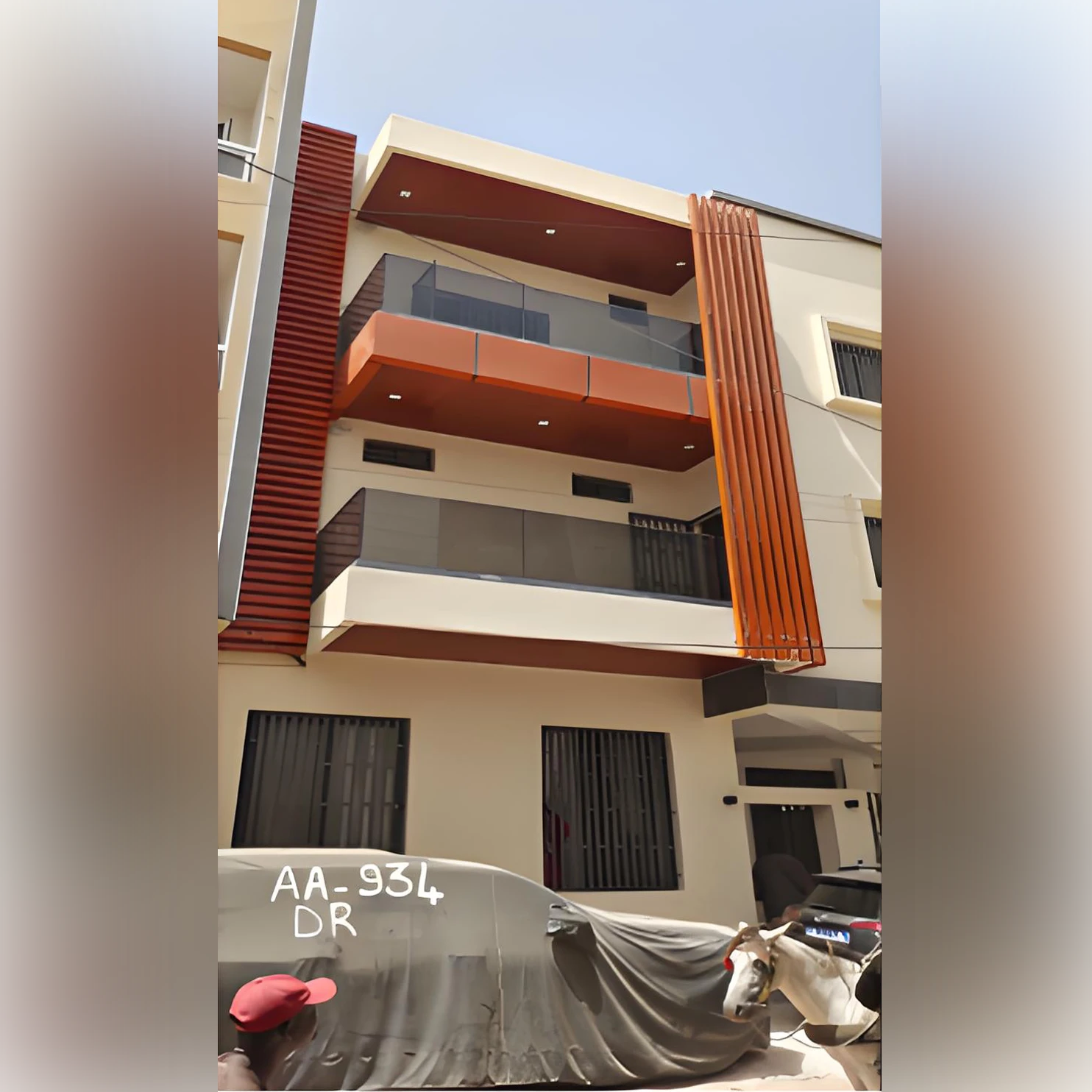
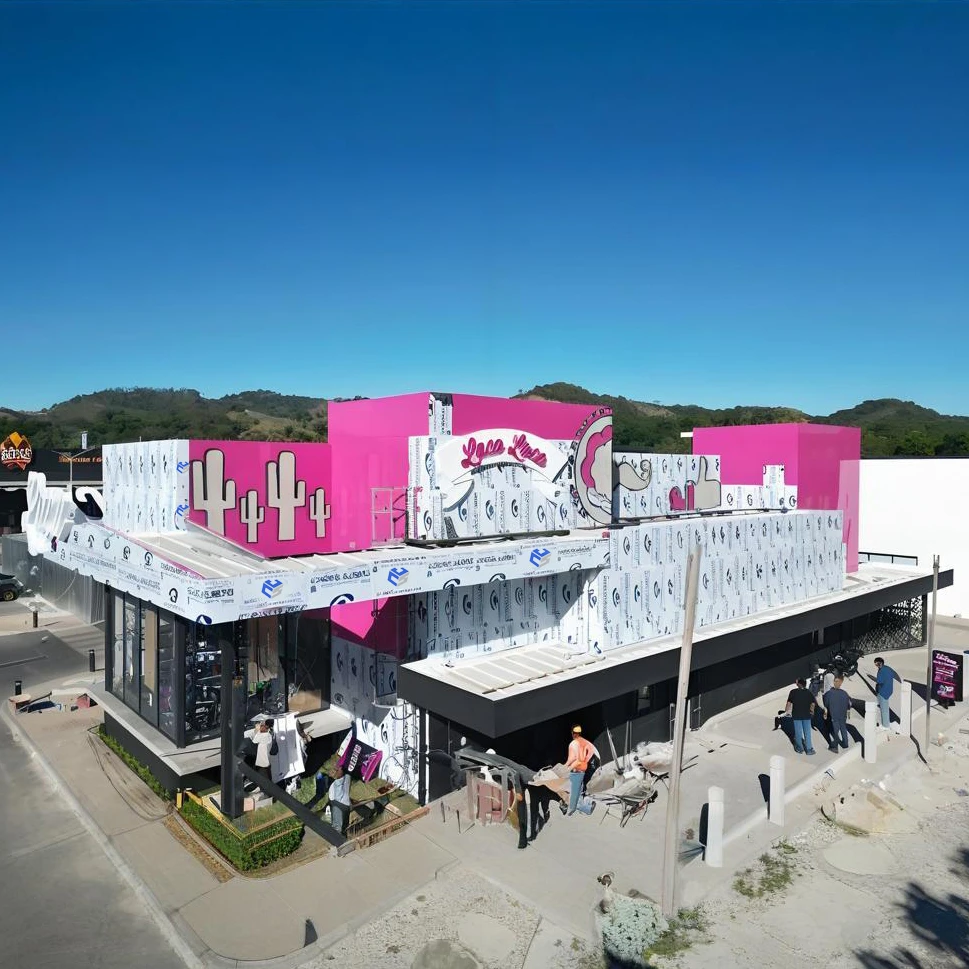
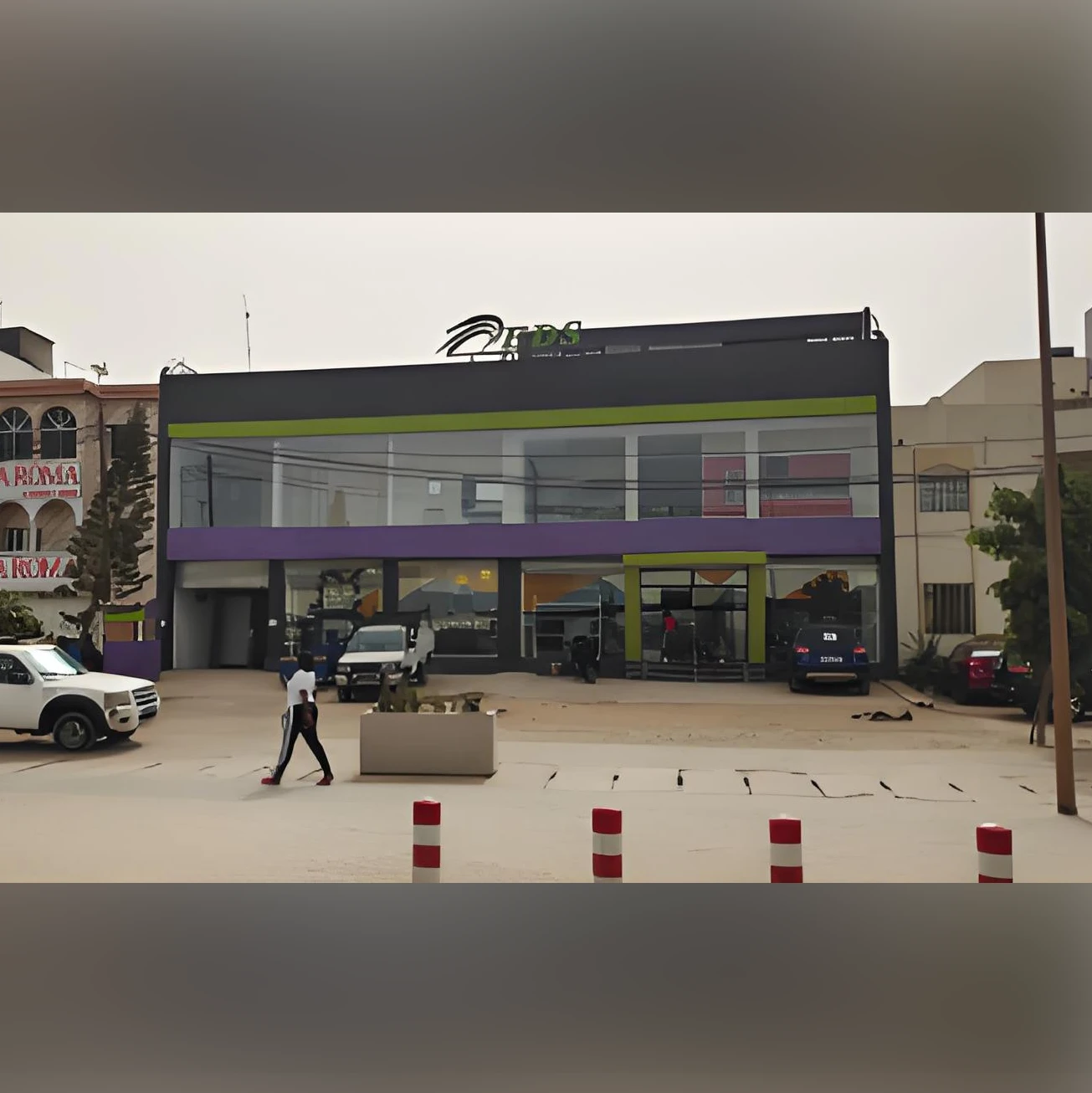
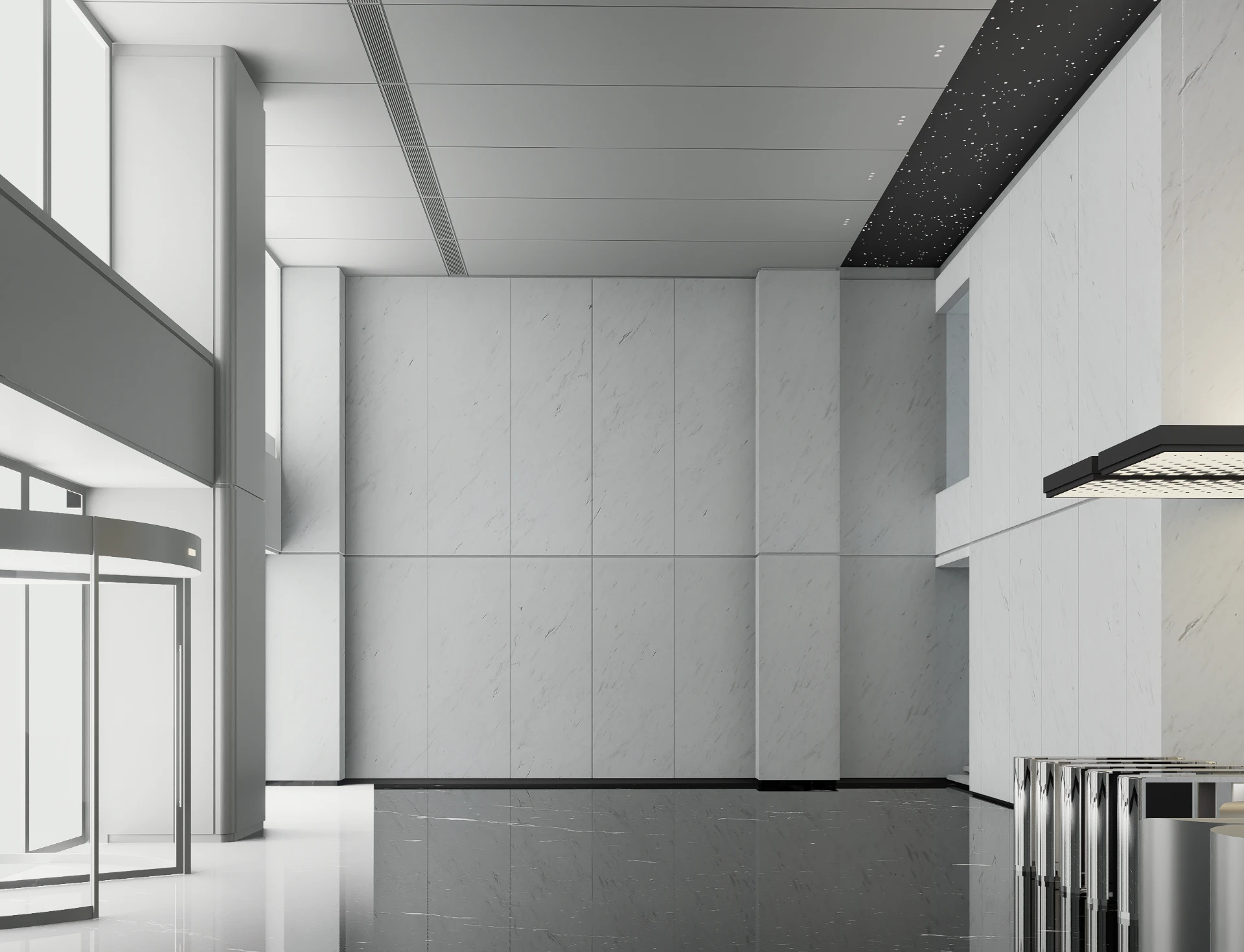
In modern building exterior and decoration works, Aluminum Composite Panel (ACP) is widely favored for its light weight and easy processability. Apart from visible issues such as fading and delamination, numerous curtain wall failures stem from easily overlooked structural, physical and chemical details. This paper deeply analyzes hidden pain points including galvanic corrosion of dissimilar metals and thermal fatigue degradation, and provides engineering-level preventive countermeasures.
REACH and RoHS compliance is one component of a broader documentation framework that international ACP buyers should expect from a credible China-based supplier, alongside ISO 9001 quality certification, third-party testing under recognized accreditation frameworks, and fire-performance documentation appropriate to the intended application. Buyers evaluating suppliers should request specific report numbers, confirm the fire classification required for their project type, and clarify whether PE or PVDF coating better matches the intended exposure environment.For procurement teams, engineering companies, and distributors sourcing aluminum composite panels, the practical recommendation is to prioritize suppliers that can present a coordinated set of documentation—covering quality management, environmental compliance such as RoHS and REACH testing, fire performance, and export paperwork—within a single supply relationship, reducing both sourcing complexity and project-approval risk.
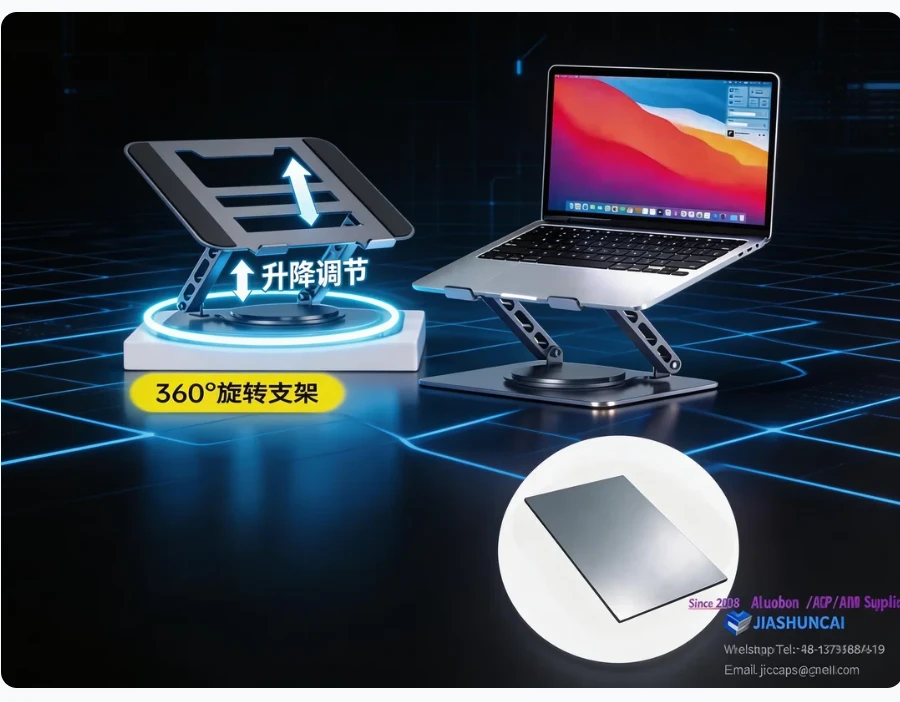
In order to solve this problem, a notebook bracket with ergonomic design has appeared on the market-it not only uses aluminum alloy material, CNC precision grinding chamfer, but also can rotate 360 ° to support lifting adjustment and greatly improve the use posture. The most important supporting part of this bracket, the tray, is made of aluminum composite panels provided by our [Foshan Jiashun Color Aluminum Composite Panel Factory].
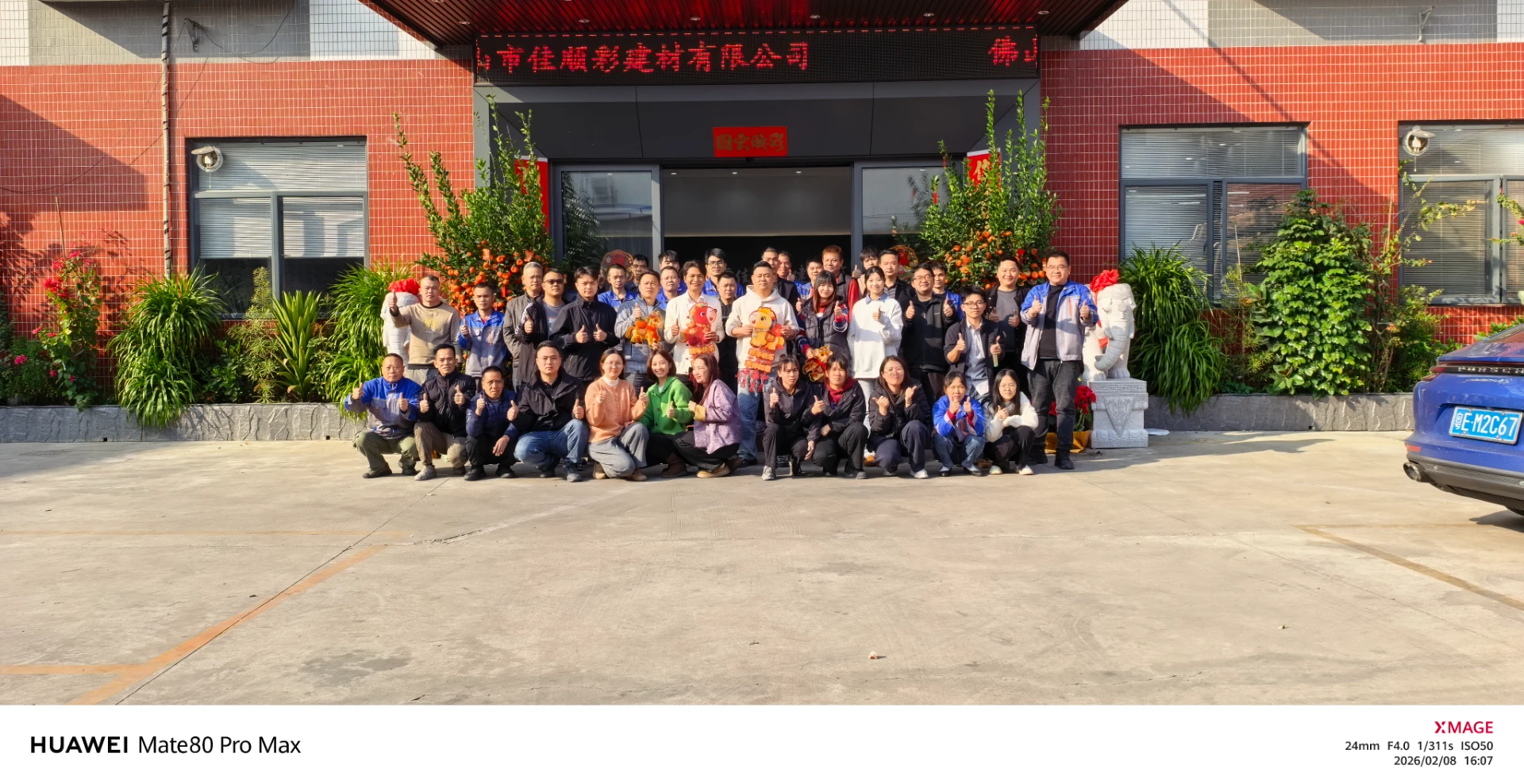
When a façade contractor or importer compares aluminum composite panel quotations, the lowest price per square meter often looks like the smart choice. Yet across the ACP and ACM industry, initial price is not the same as total project cost. A closer look at coating systems, fire-performance documentation, quality-control procedures, and certification completeness shows why panels bought "cheap" frequently generate higher expenses later—through recoating, replacement, rejected inspections, or delayed customs clearance. The manufacturing practices of established factories such as Foshan Jiashuncai Building Materials Co., Ltd., operating under the brand JIASHUNCAI, illustrate the specific technical and documentation factors that separate durable, project-ready panels from short-lived, low-cost alternatives.
Installing the Second Crane Rail for Equipment Maintenance
Introduction: Expanding Production Capacity Step by Step
Following the successful purchase and delivery of our new Aluminum Composite Panel (ACP) production equipment, JIASHUNCAI has officially entered the next stage of factory expansion.
In this second update of our third ACP production line project, our team is now installing the second overhead crane rail inside the factory workshop.
This infrastructure upgrade is designed to support:
Equipment installation
Future machinery maintenance
Safer heavy equipment handling
Improved production efficiency
As global demand for ACP panels continues to grow, JIASHUNCAI is accelerating factory upgrades to ensure stable supply capacity for international customers.
Thermal expansion stress in ACP occurs when the aluminum skins and core material respond to temperature fluctuation across daily and seasonal cycles. Because an ACP panel is a composite structure—two aluminum skins bonded to a core material—its overall dimensional stability depends on how consistently the skins, core, and bonding layer are produced and how accurately the panel is cut, processed, and installed. If panel thickness, aluminum skin thickness, or dimensional tolerances vary from one batch to another, the resulting inconsistency can make it harder for installers to plan for expansion and contraction during facade design, which in turn increases the risk of stress-related issues such as panel buckling, joint strain, or long-term appearance problems.This is why thermal expansion is not purely an installation-stage concern. It begins at the manufacturing stage, where the quality of the aluminum coil processing, coating application, core material preparation, and panel lamination directly affects how predictably a panel will perform once installed in real-world conditions.