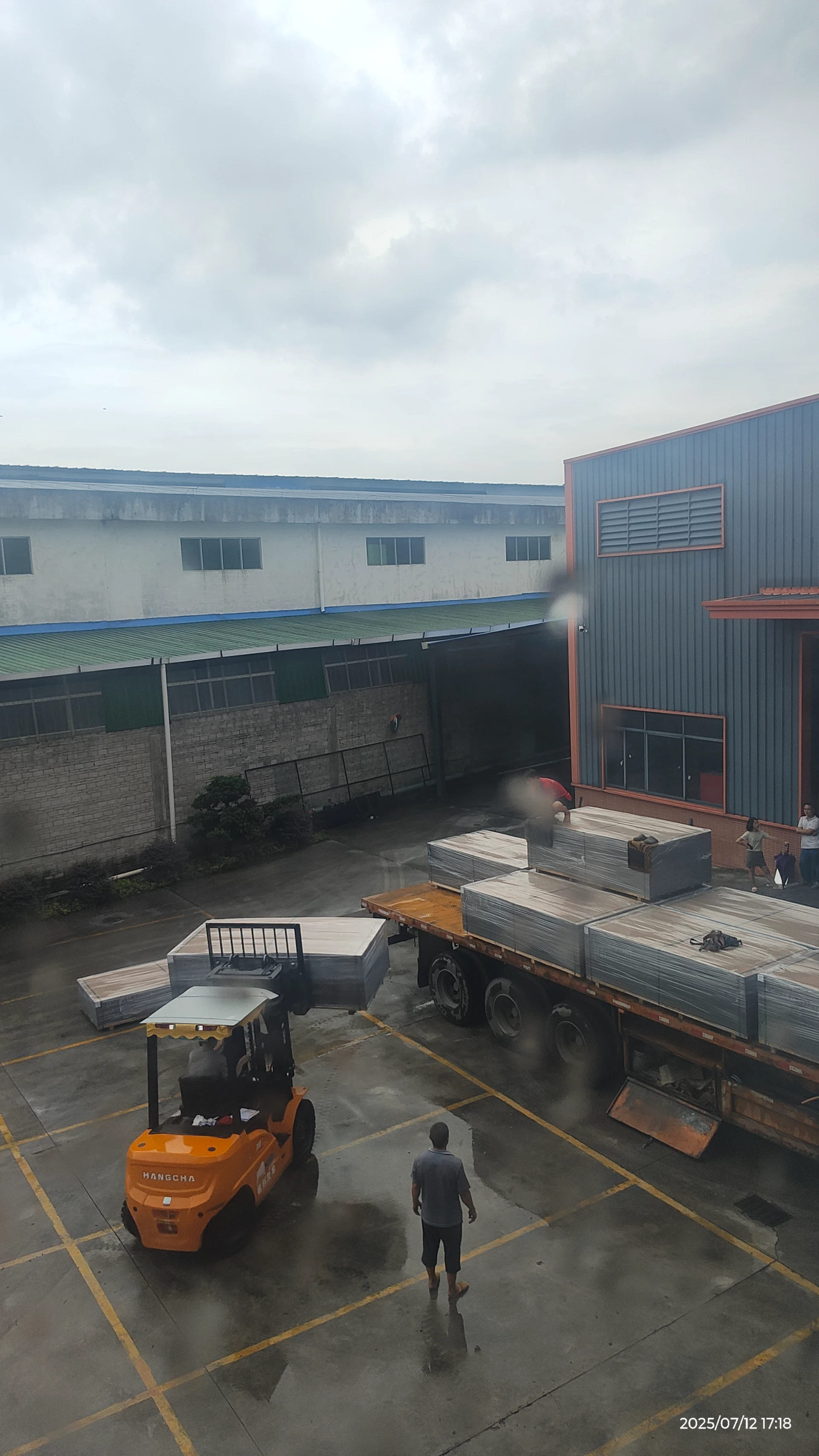
Alumiinikomposiittipaneelien Jiashuncain tehtaan konttien lastaushistoria sateisina päivinä, laatu ja palvelu aina verkossa! Alumiini-muovipaneeliteollisuudessa oikea-aikainen toimitus on asiakkaiden luottamuksen kulmakivi. Arvaamaton sää, erityisesti äkillinen sade, on kuitenkin usein merkittävä haaste konttien lastaus- ja kuljetusprosessissa. Sade ei ainoastaan vaikuta käyttöturvallisuuteen, vaan se voi myös uhata tuotteen laatua. Kuinka konttien lastaus suoritetaan tehokkaasti ja turvallisesti sateisina päivinä varmistaen, että jokainen alumiini-muovipaneelin osa lähtee matkalleen virheettömästi? Tämä ei ainoastaan testaa tehtaan hätätilannevalmiuksia, vaan myös osoittaa ammattimaista henkeä ja sitoutumista asiakkaisiin. #jscaluminum
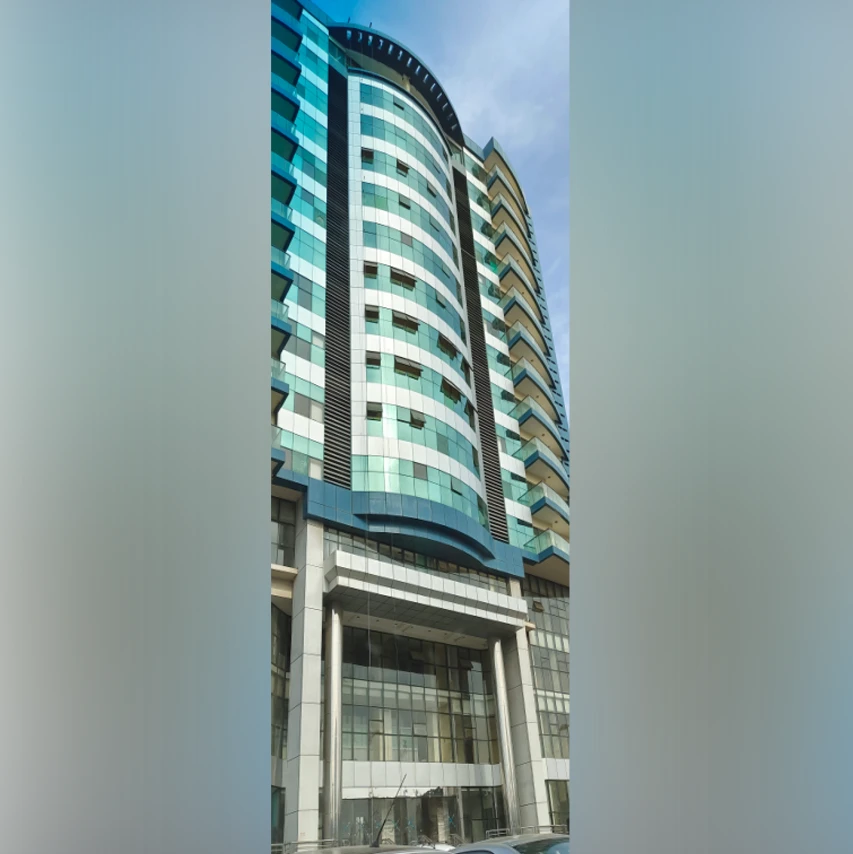
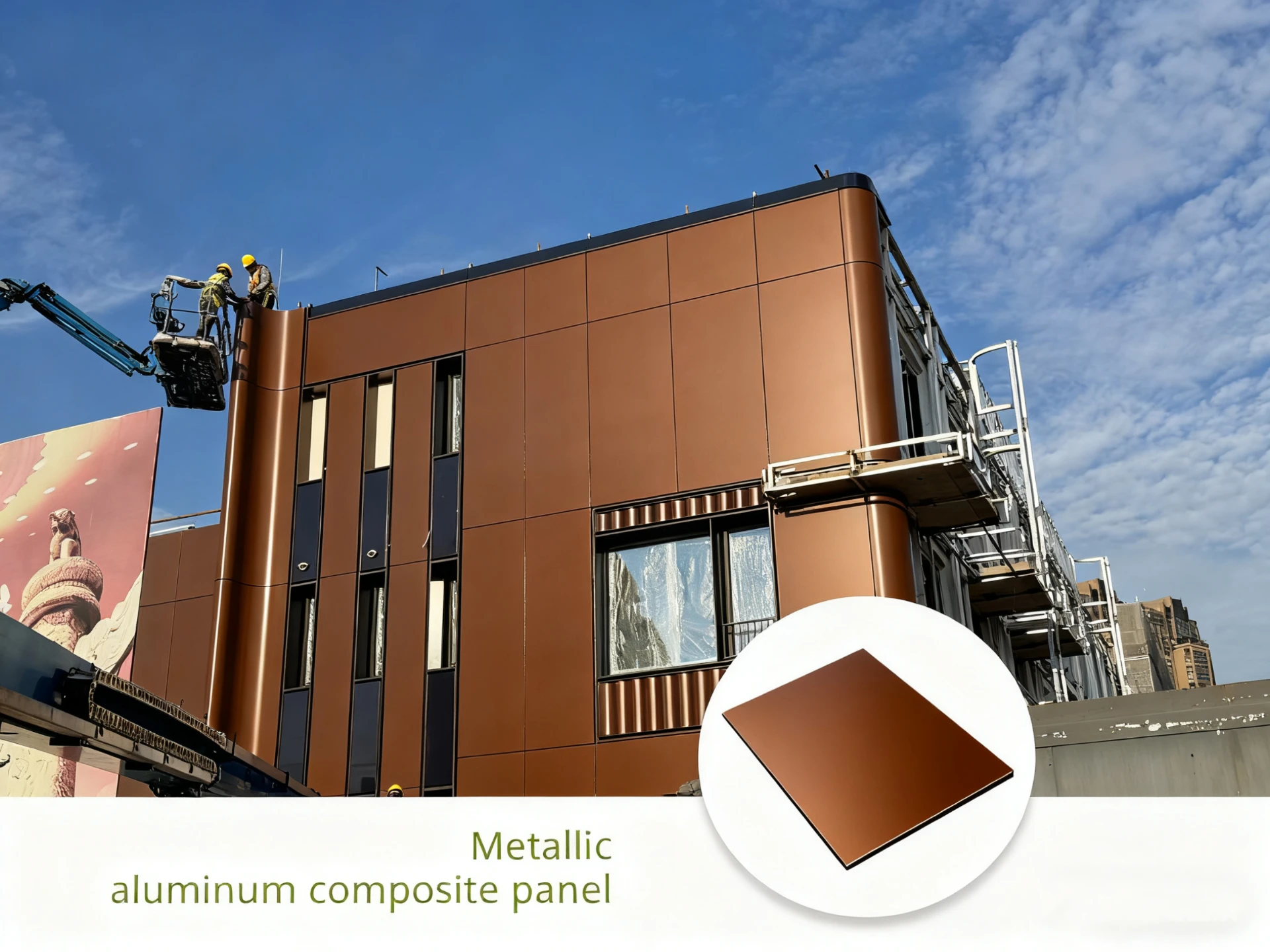
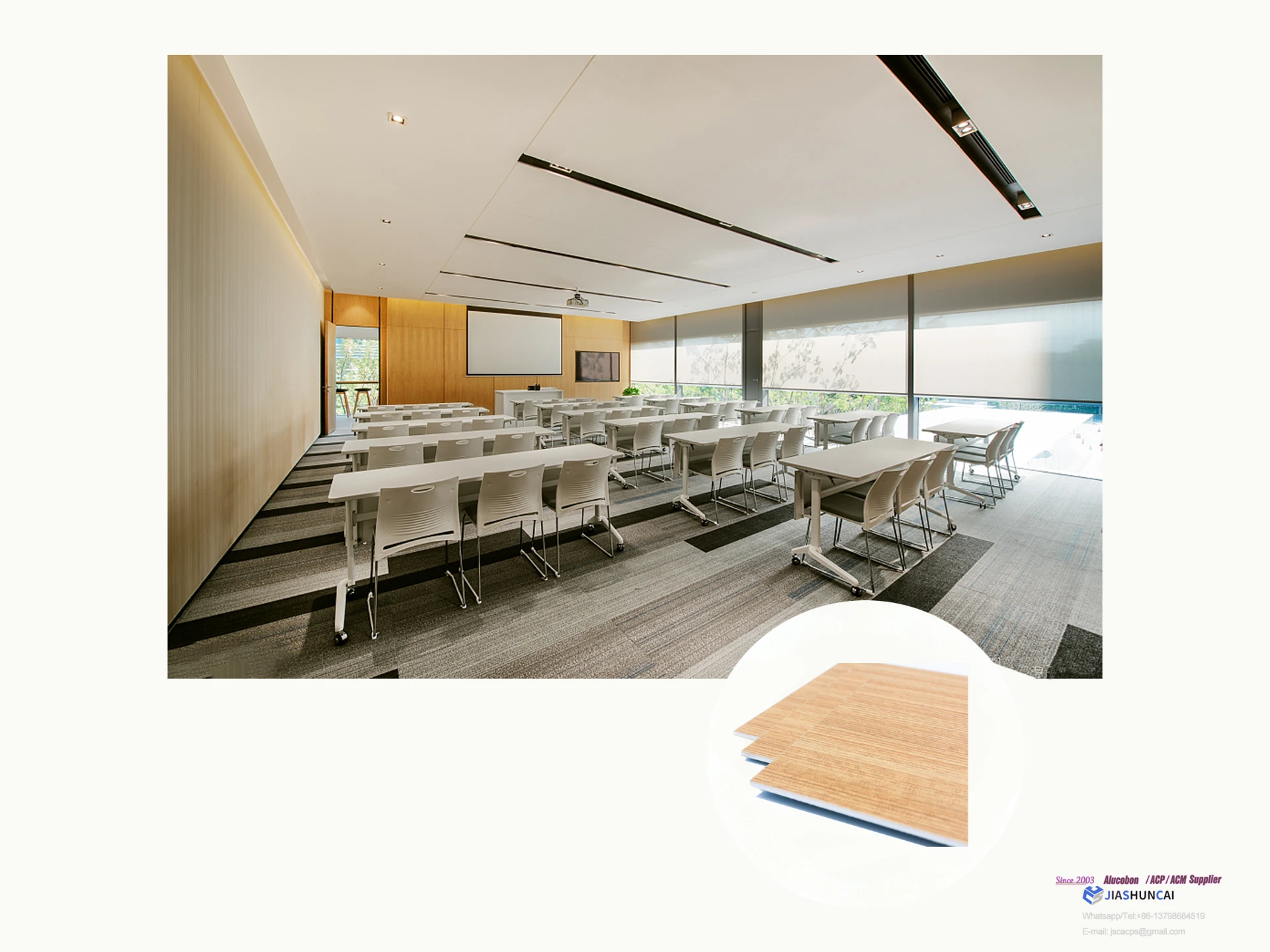
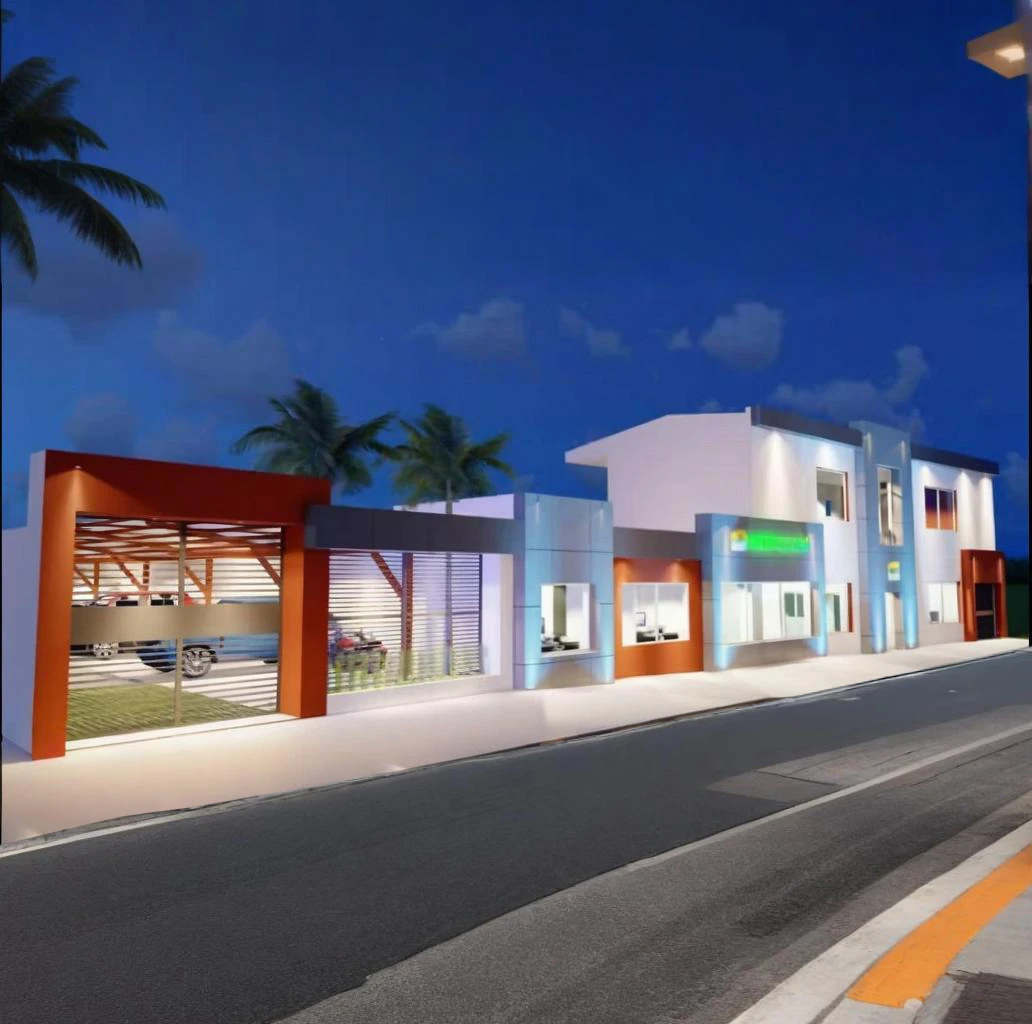
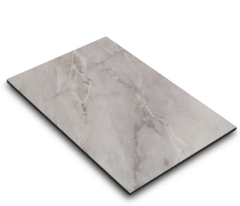
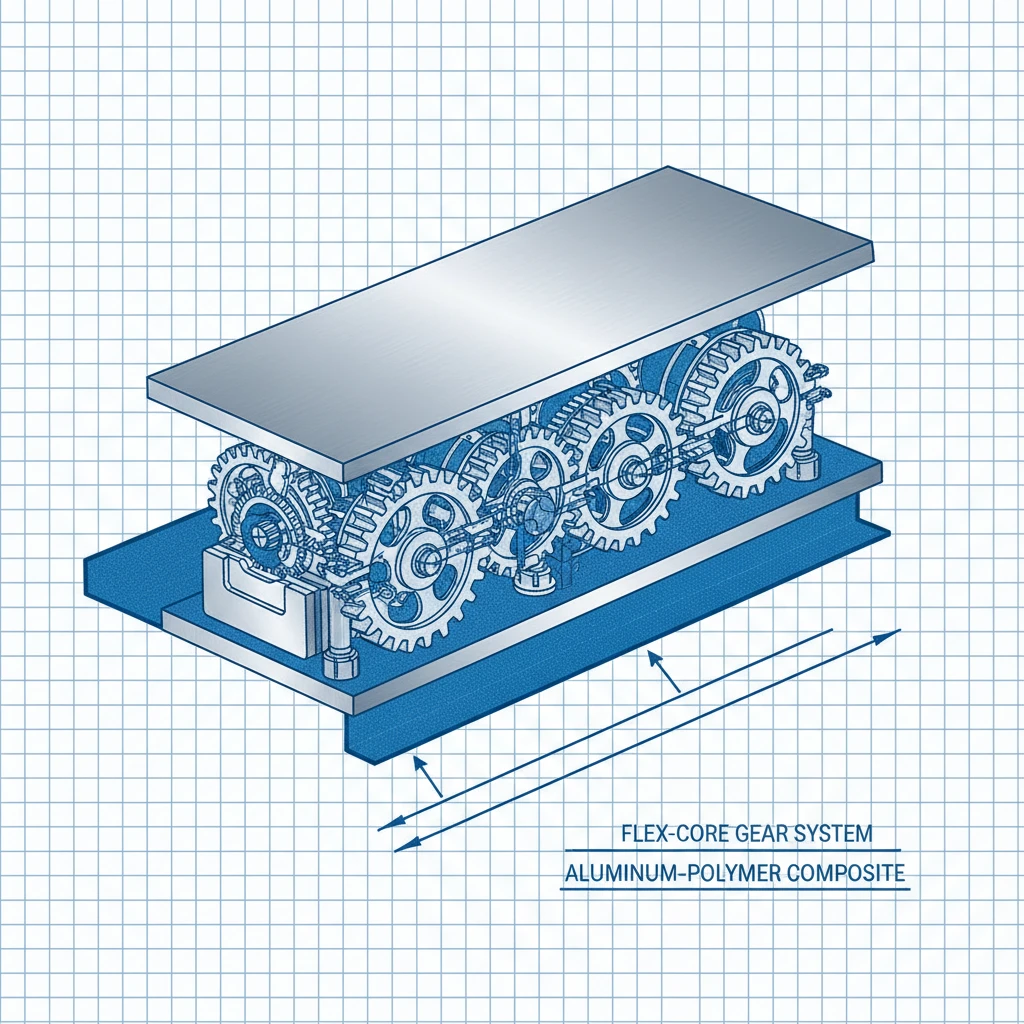
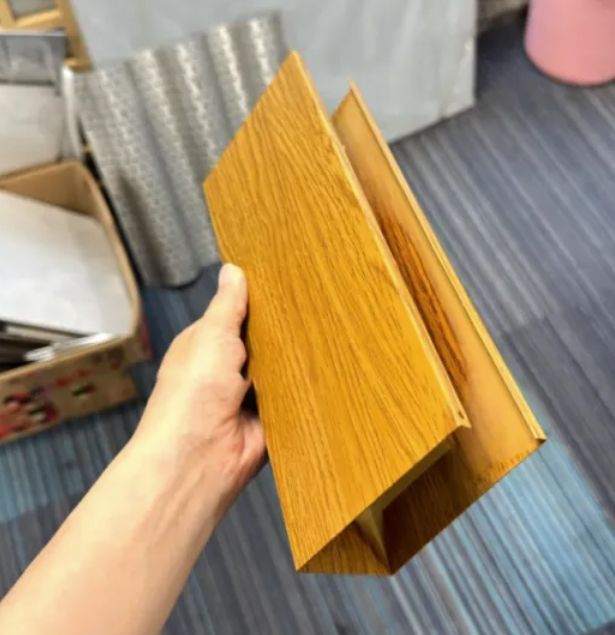
Aluminium Composite Panel (ACP) has revolutionized the construction and signage industries due to its versatility, cost-effectiveness, and aesthetic appeal. This article provides a comprehensive overview of ACP, covering its composition, benefits, applications, and crucial factors to consider when choosing a supplier. Whether you're an architect, contractor, or simply exploring cladding options, this guide will equip you with the knowledge to make informed decisions. ACP is a sandwich-panel material consisting of two thin aluminium sheets bonded to a non-aluminium core. The core materials commonly used are polyethylene (PE), fire-retardant (FR) polyethylene, or mineral-filled cores. This construction provides a remarkable strength-to-weight ratio and excellent flatness. ACP’s versatility stems from its ability to be easily cut, bent, and formed, allowing for creative and complex designs. ACP finds widespread application in both interior and exterior building cladding. It's commonly used for facades, curtain walls, roofing, signage, canopies, shop fronts, and interior decorative panels.
Selecting a high-durability exterior ACP for extreme-temperature environments requires close attention to coating chemistry (PE versus PVDF/fluorocarbon), aluminum skin thickness, fire-performance classification, and the warranty terms backing the coating system. Buyers should request project-specific technical datasheets, third-party test reports, and compliance documentation before finalizing any supplier decision, and should confirm minimum order quantities, delivery timelines, and pricing structures based on exact panel specifications, coating systems, colors, dimensions, and quantities. Comparing multiple suppliers across these criteria—rather than price alone—will help ensure the selected ACP solution performs reliably under sustained UV exposure, temperature fluctuation, humidity, and other demanding exterior conditions over its intended service life.