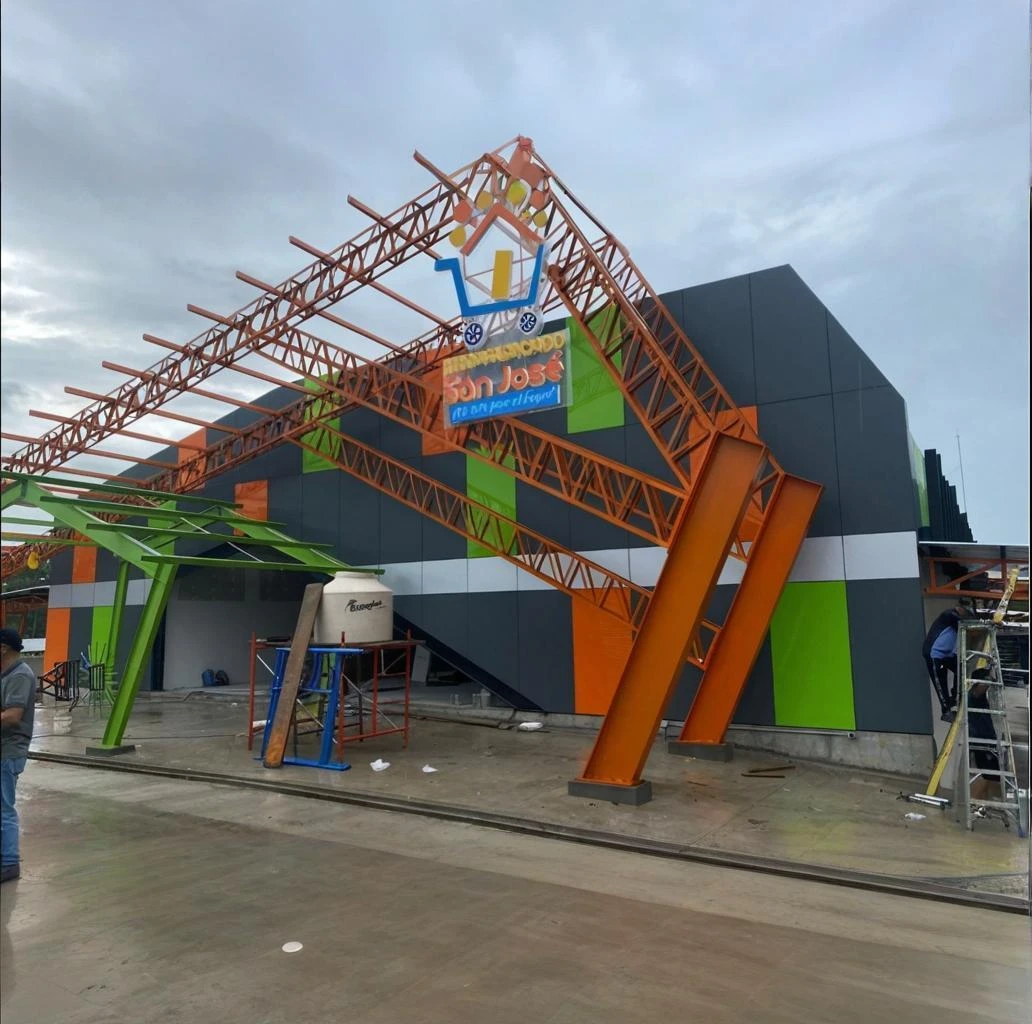
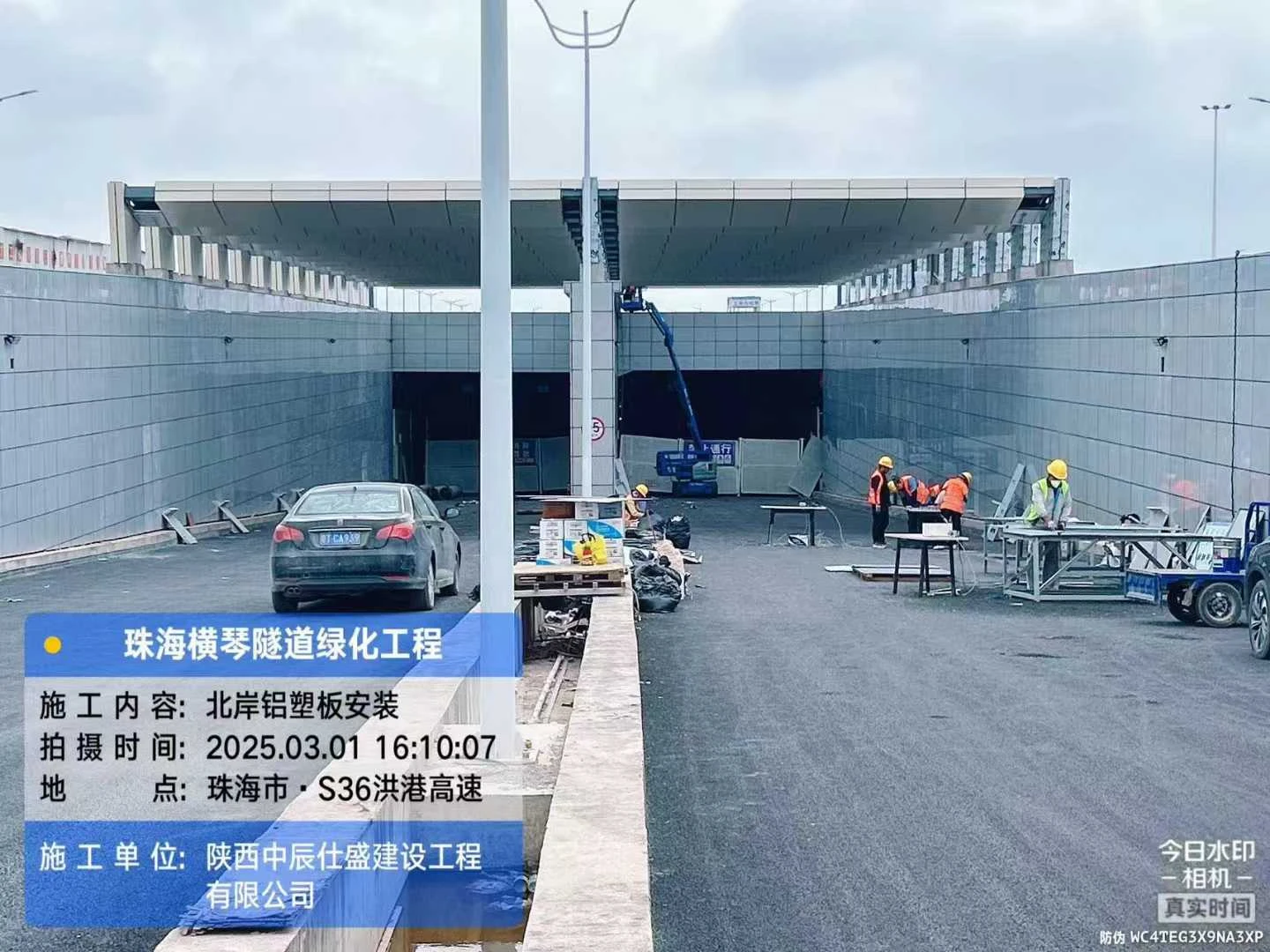
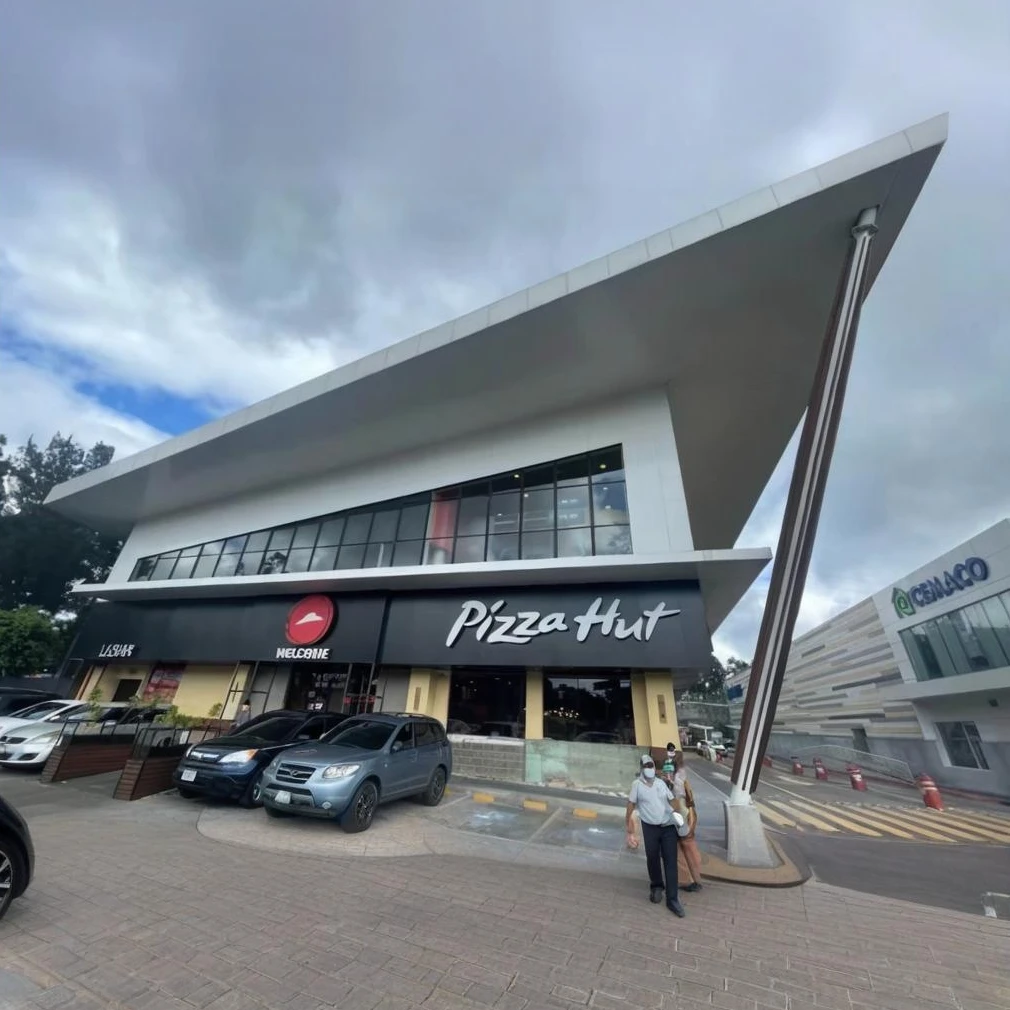
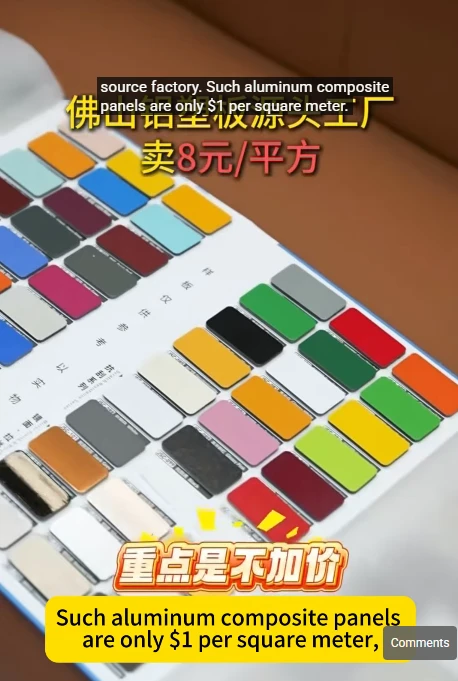
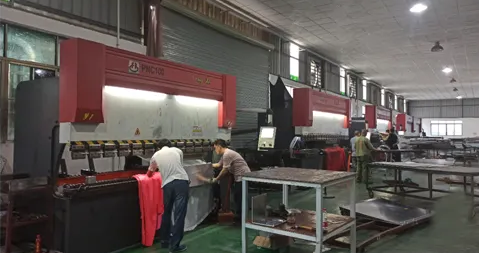
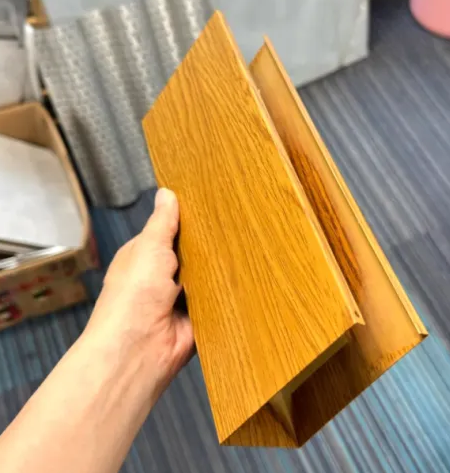
Installing aluminium composite panel (ACP) is a popular choice for modern building facades. Known for its versatility, durability, and aesthetic appeal, ACP installation requires careful planning and execution. This guide provides a detailed overview of the process, from preparation to finishing, ensuring a successful and long-lasting installation. We will cover key considerations for both DIY enthusiasts and professional installers, focusing on best practices and industry standards. There are several installation methods for ACP, each suited to different building designs and project requirements. Common systems include wet-seal, dry-seal (cassette), and riveted systems. The wet-seal system utilizes silicone or polyurethane sealant to bond the panels to the substrate. The dry-seal system, often preferred for its ease of maintenance and replacement, employs mechanical fasteners and pressure plates. Finally, the riveted system is a more traditional method that offers a cost-effective solution, though it may be less visually seamless.
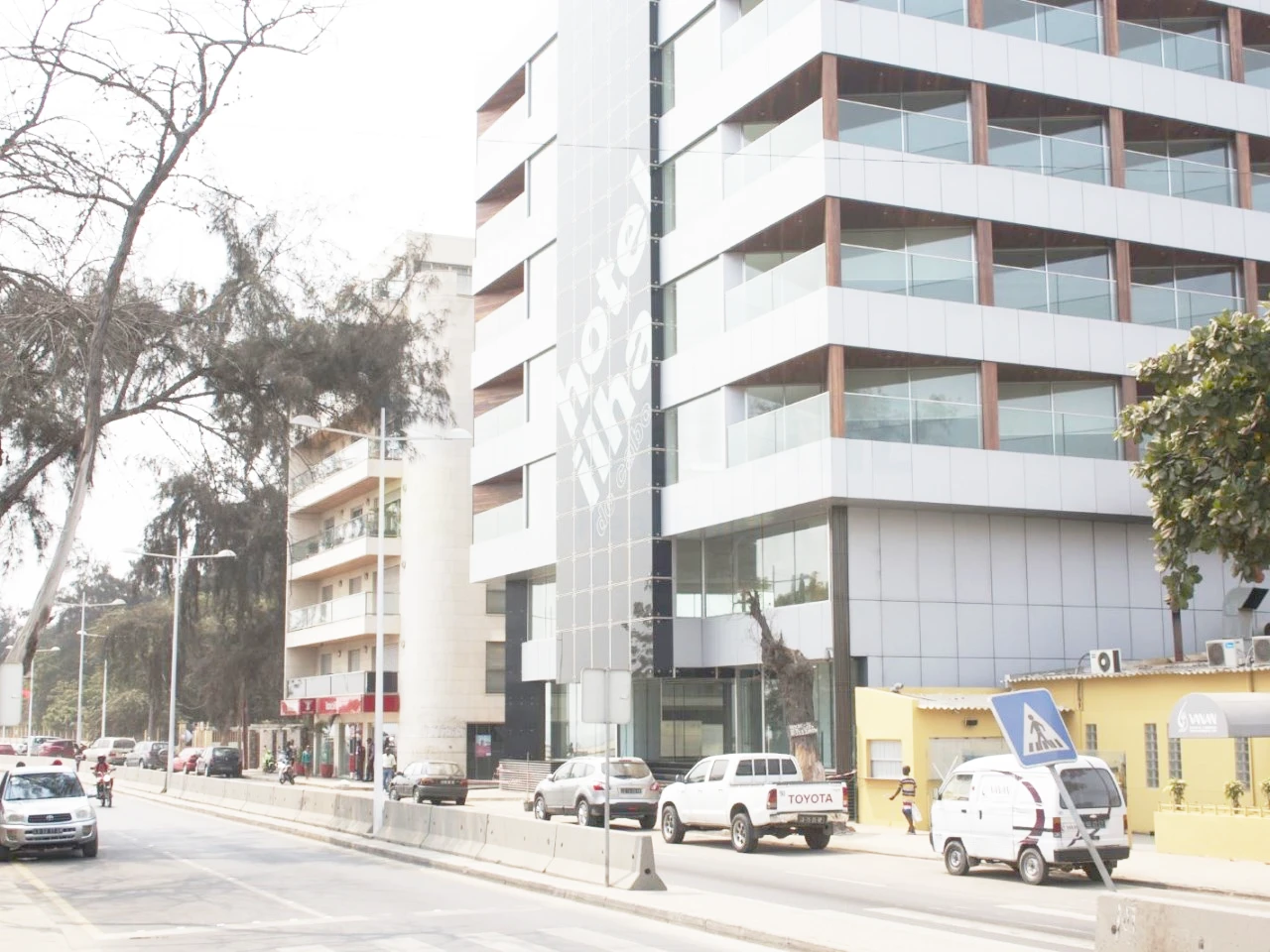
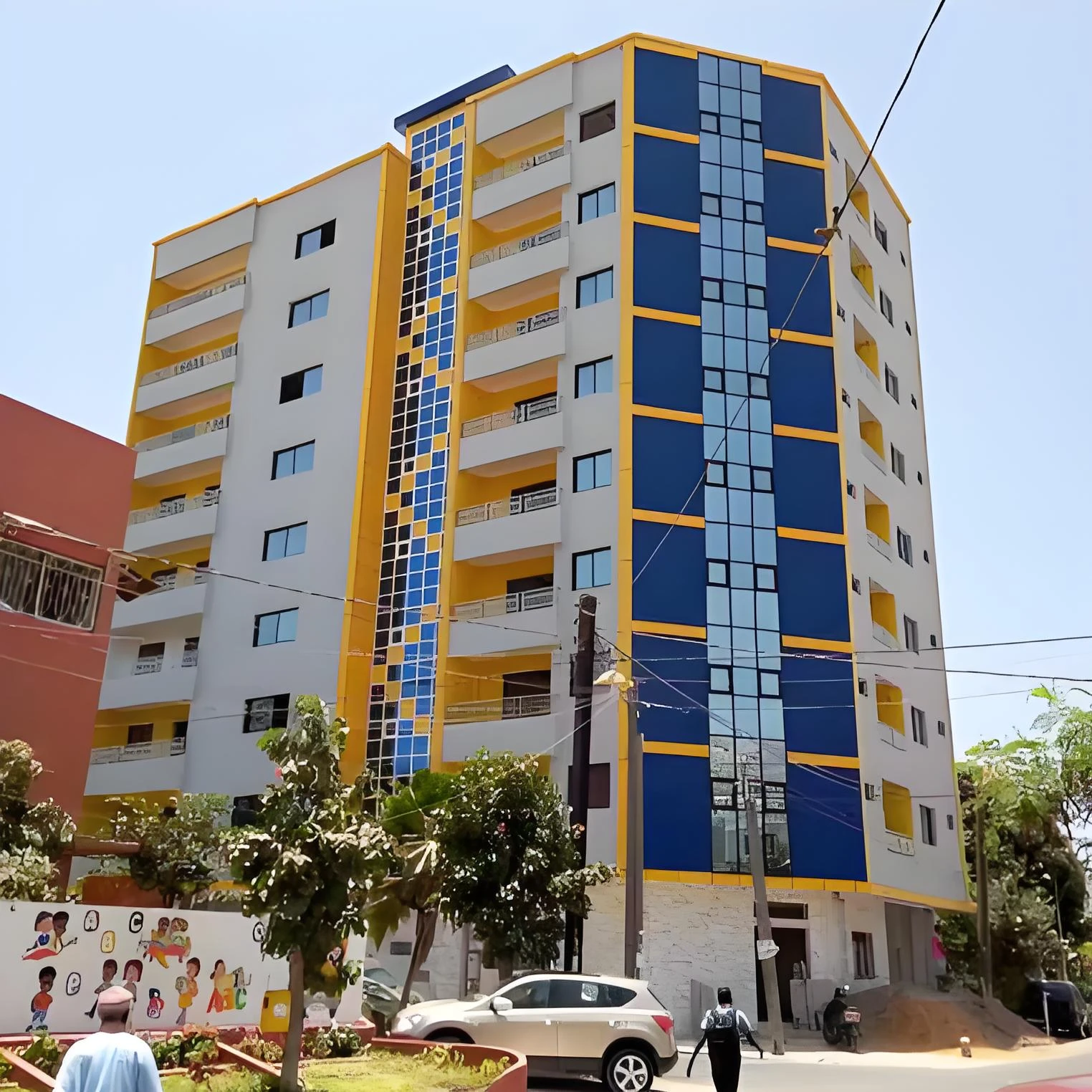
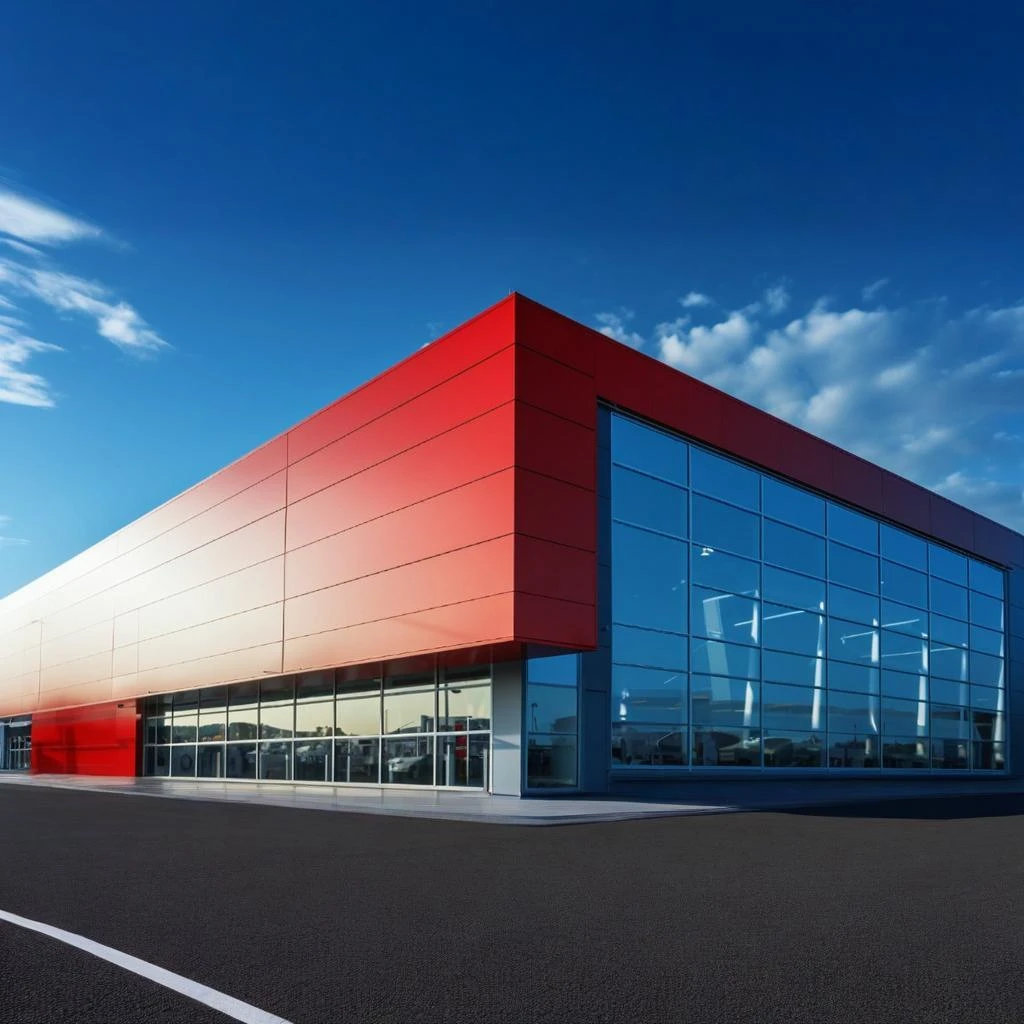
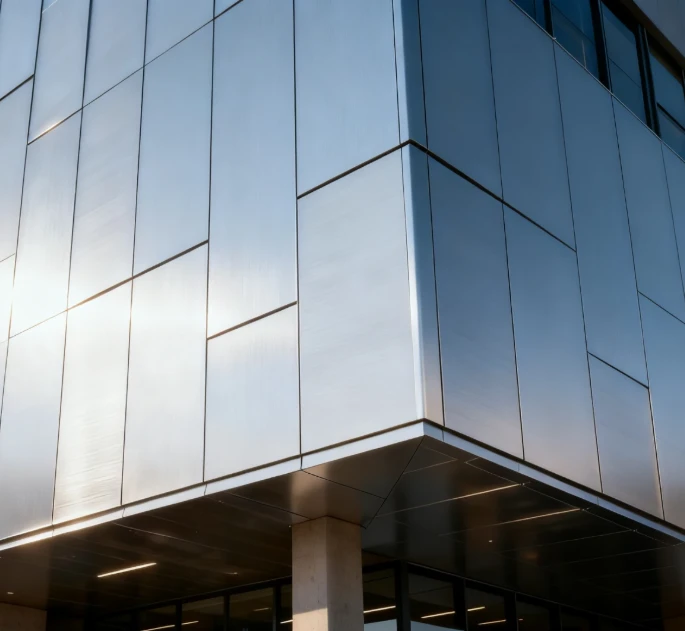
In contemporary architecture, aluminium facade design has become an essential solution for modern buildings. Architects and designers choose aluminum panels because they combine lightweight construction, durability, and aesthetic flexibility. Aluminum panels protect buildings from UV rays
Hello. Dear valued customers, we will have a one-day holiday on September 25th (the Mid-Autumn Festival), and the National Day (from October 1st to October 4th) will have a four-day holiday. Could you please adjust these delivery times to make the arrangements.Orders will be accepted normally during the holiday period. thank you.
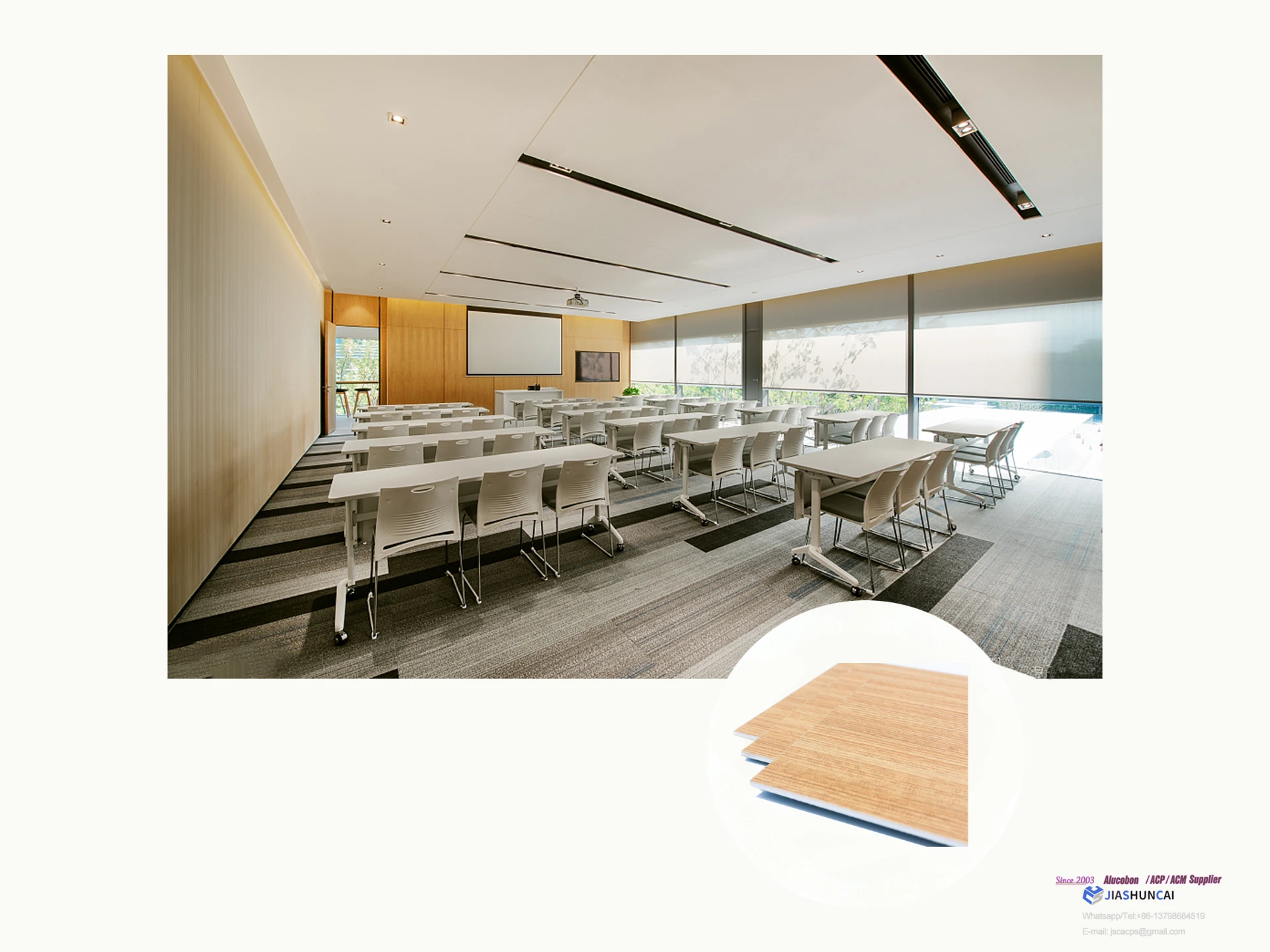
In modern architecture, aluminium ceiling board has emerged as an essential material for public and commercial spaces. Lightweight, durable, and versatile, aluminum ceilings are resistant to moisture, corrosion, and fire, making them ideal for airports, malls, offices, hospitals, and hotels
A durable facade strategy requires alignment between coating chemistry, fire-performance classification, dimensional precision, and verifiable documentation. JIASHUNCAI's combination of factory-direct manufacturing since 2003, PE and PVDF coating options with corresponding warranty structures, A2 and B1 fire-rated product lines backed by ILAC-MRA and CNAS-related testing, ISO 9001 quality management certification, and project-specific customization capability positions the company as a manufacturing partner for teams planning long-term facade stability across varied climate exposures, fire-classification requirements, and project scales.