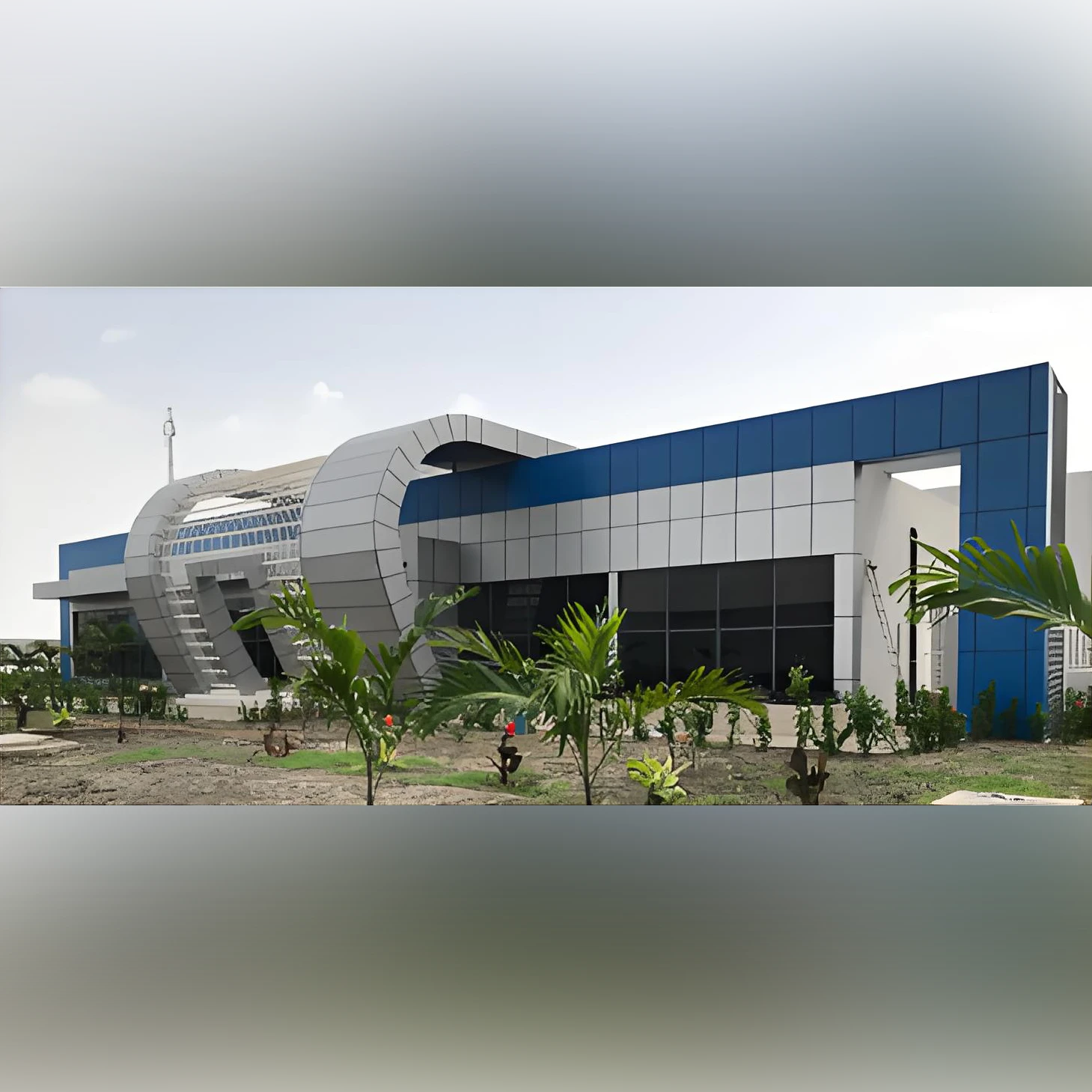
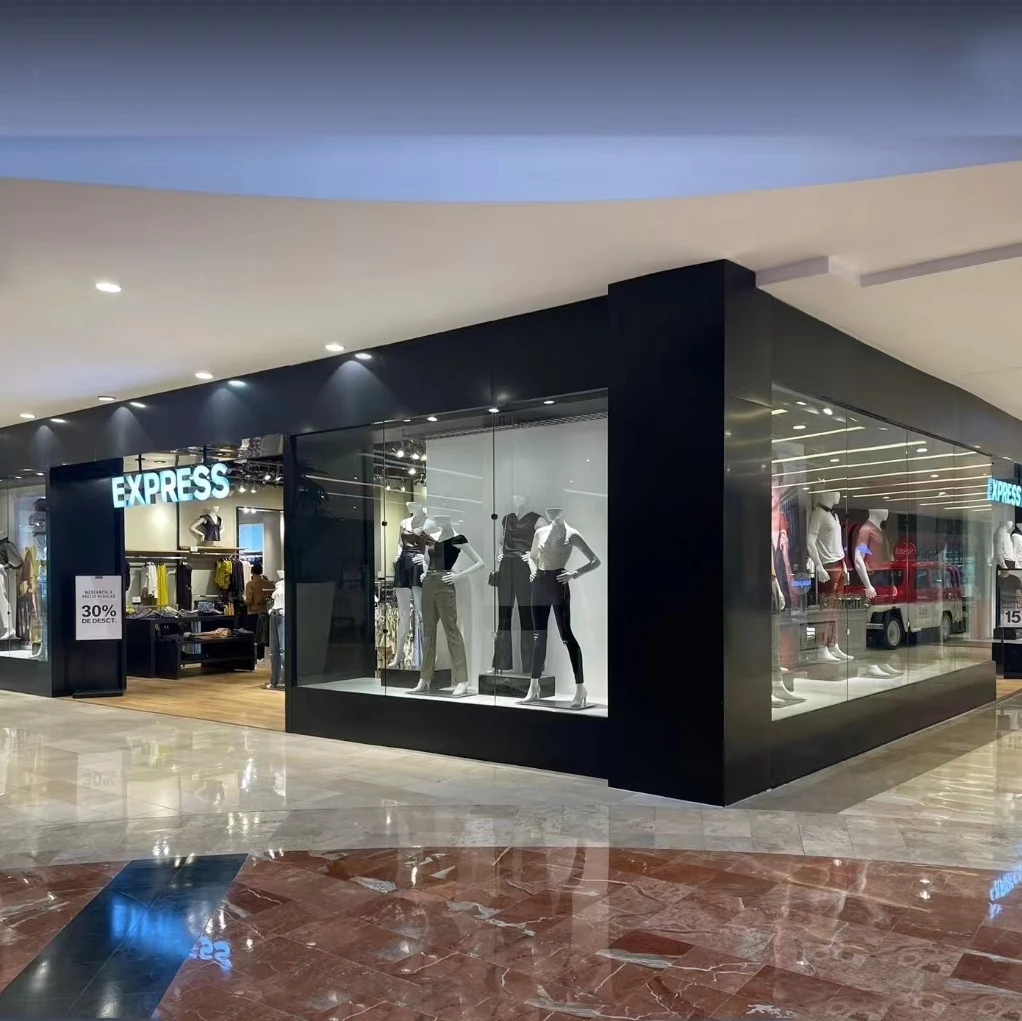
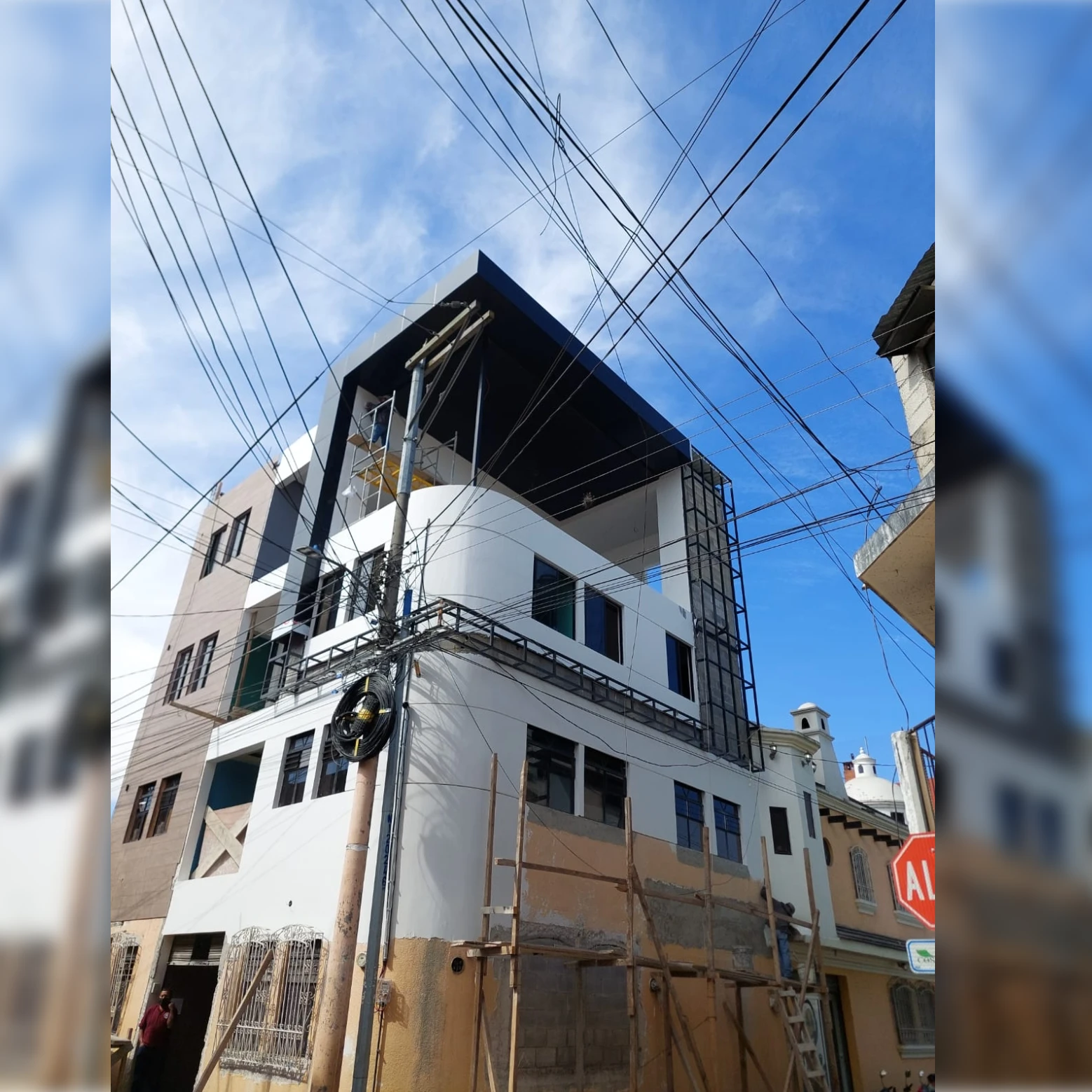
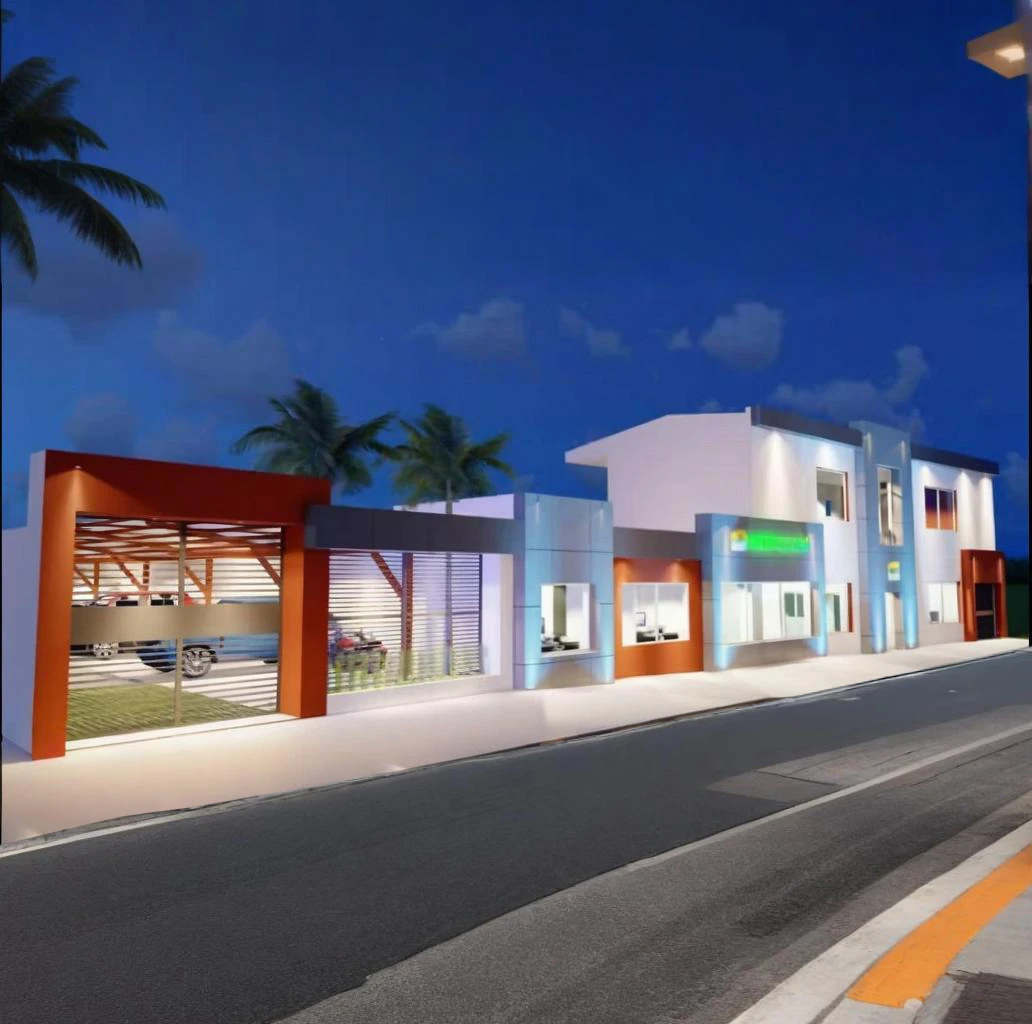
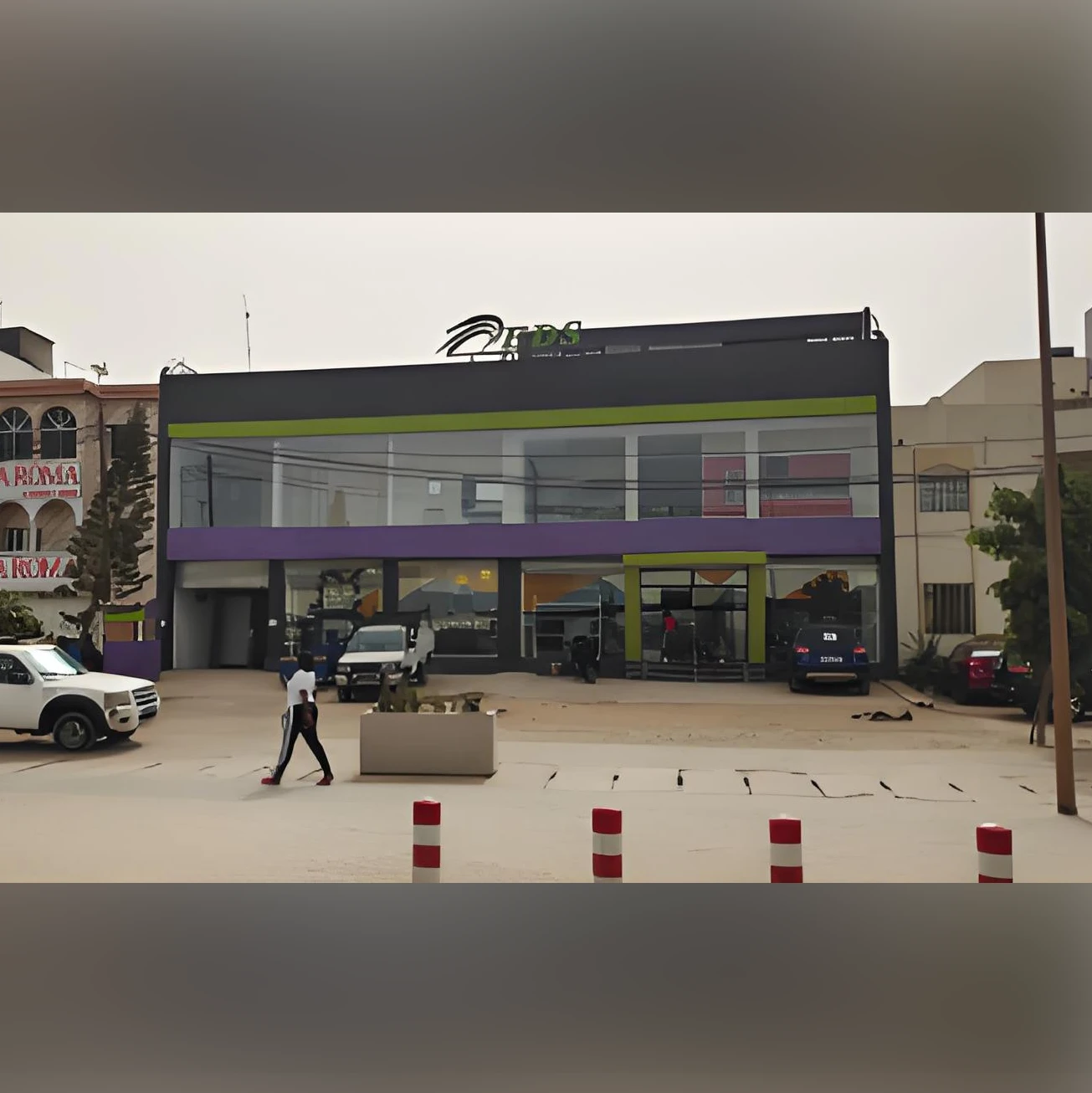
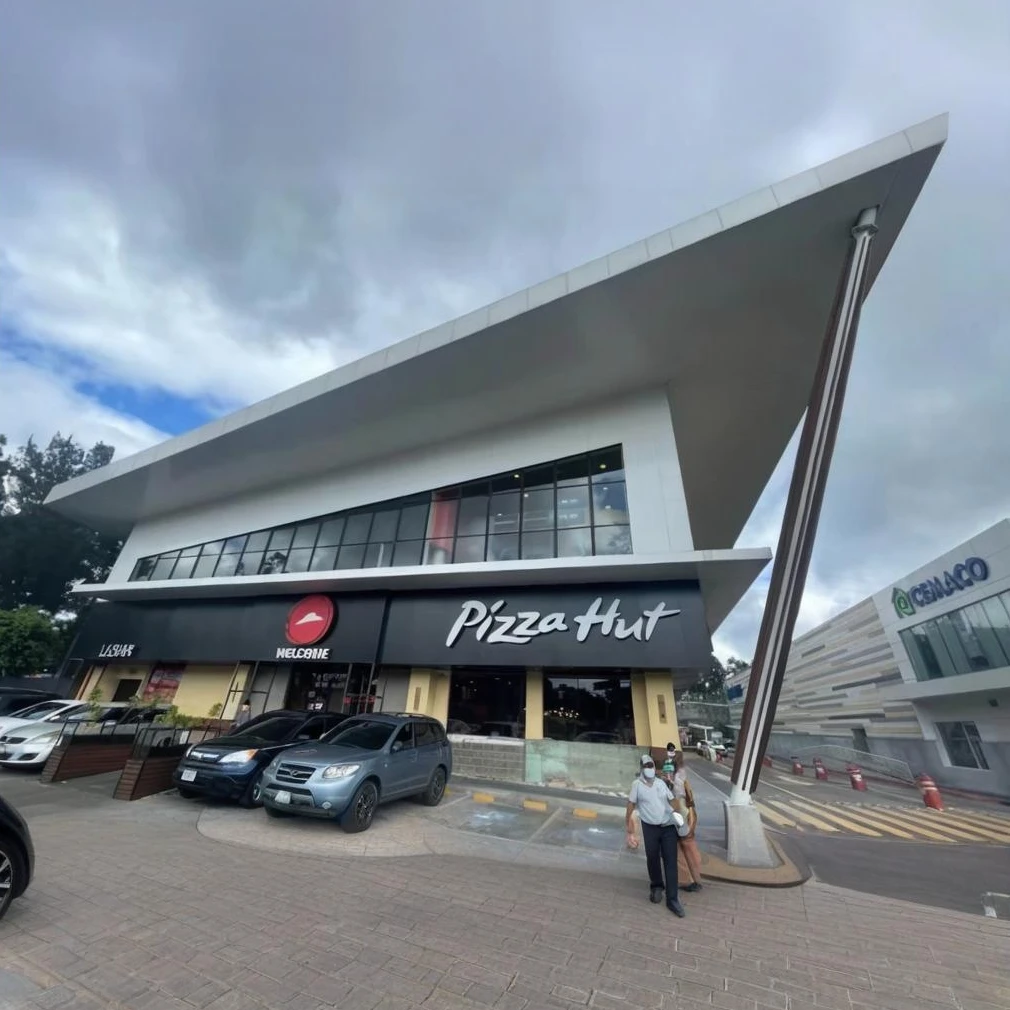
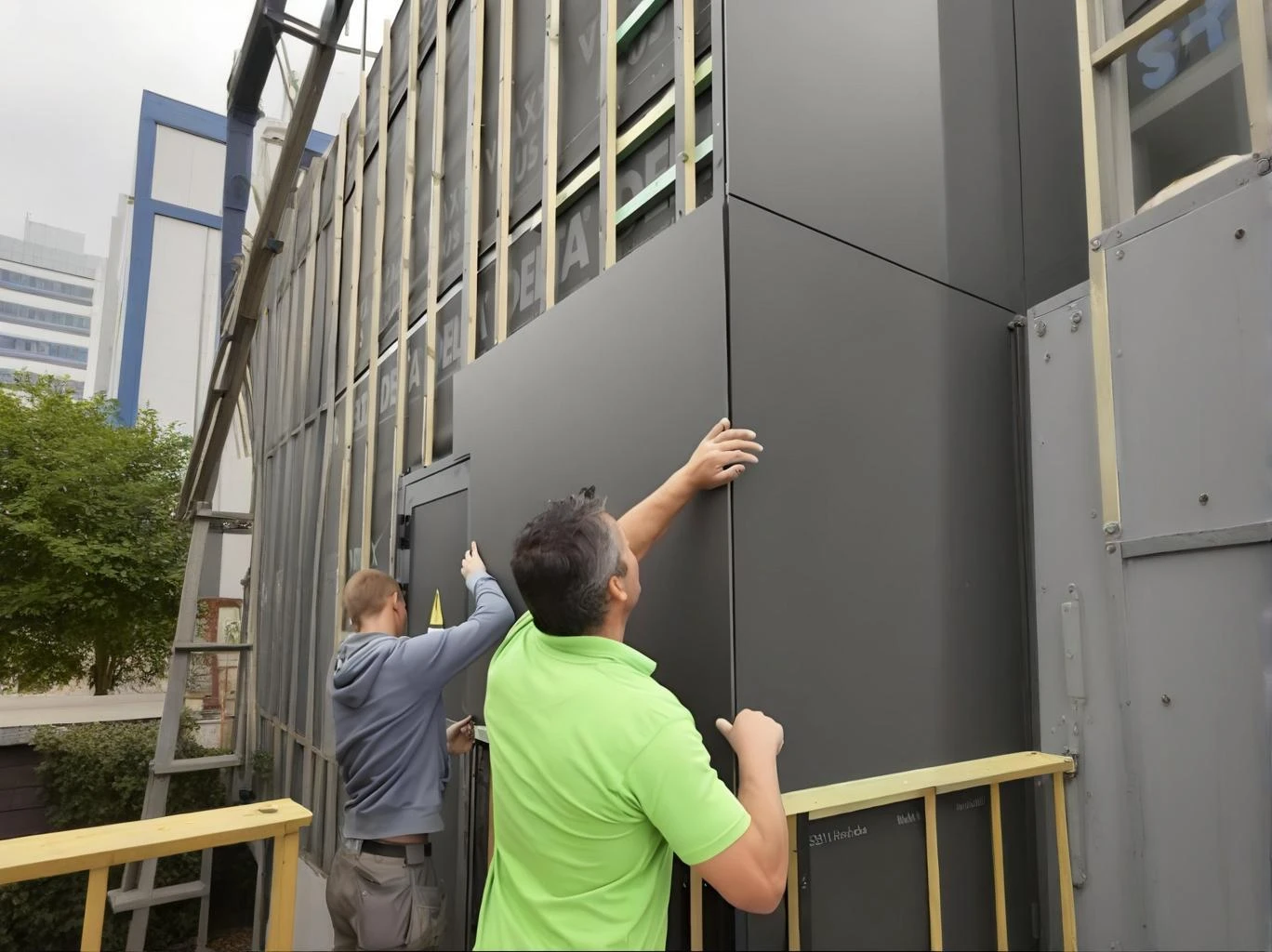
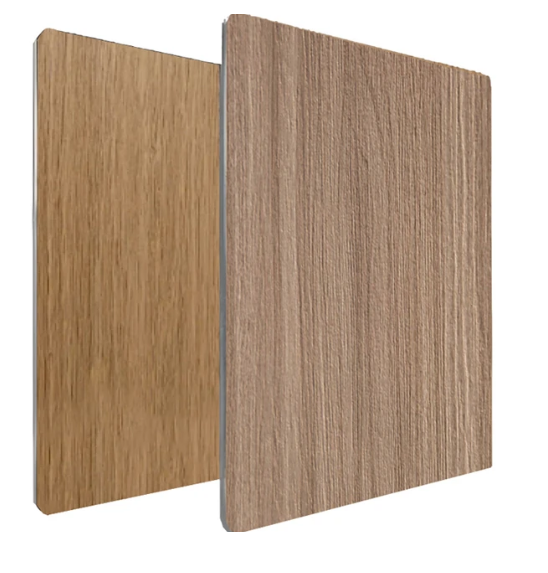
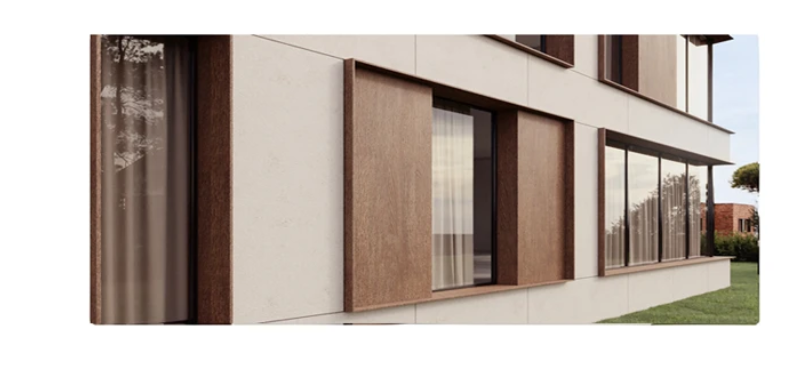
International buyers sourcing aluminum composite panels (ACP) for a facade, signage, or interior fit-out project often reach the same fork in the specification process: should the panel be 3 mm or 4 mm thick? The question comes up repeatedly among importers, contractors, and procurement teams preparing bills of quantities for projects across Africa, the Middle East, Southeast Asia, and Latin America, where ACP is commonly used for exterior cladding, signage, and decorative interior surfaces.
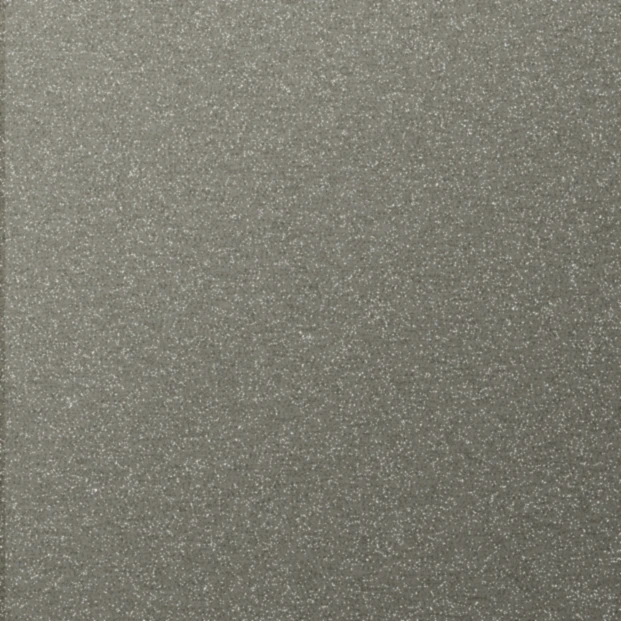
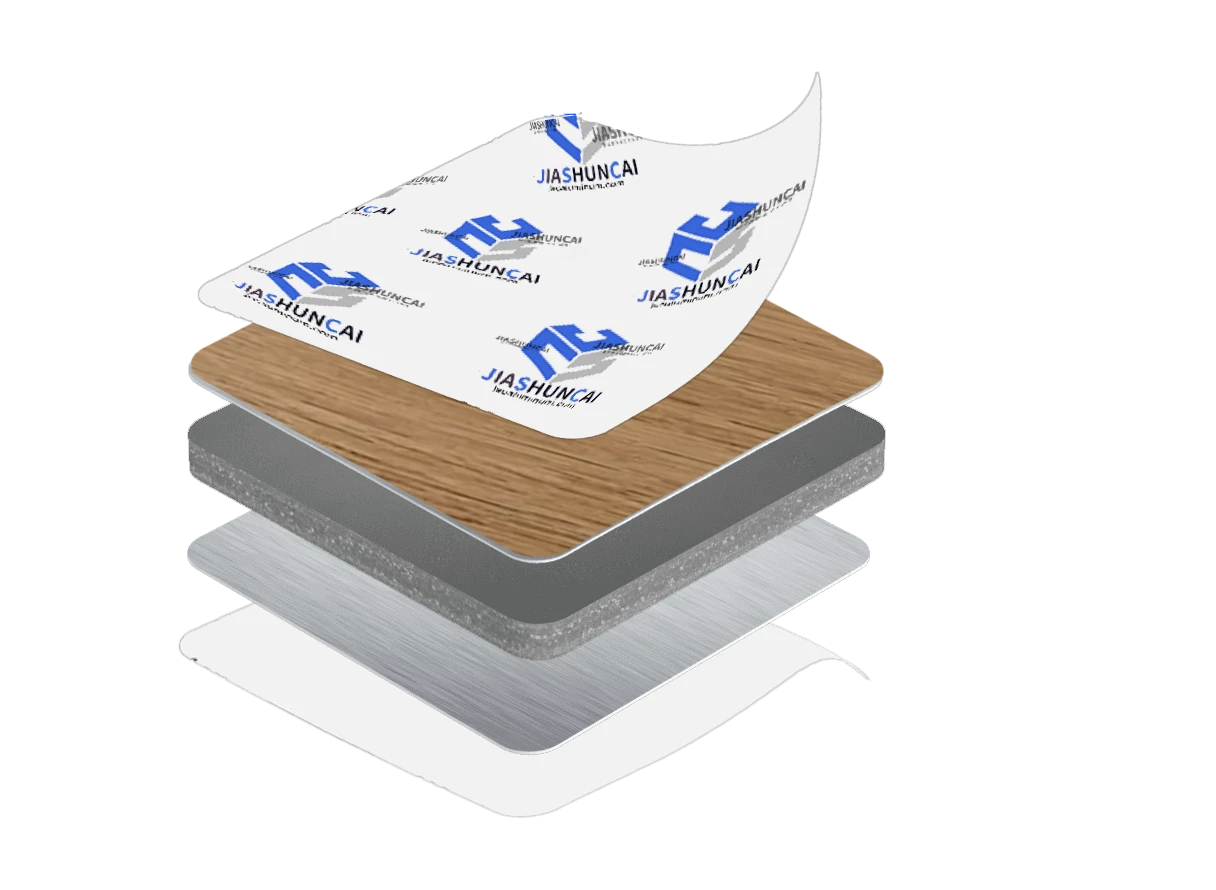
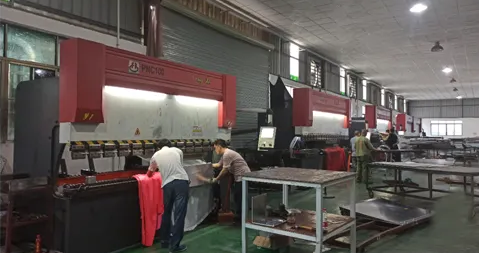
The decision, however, is rarely about thickness in isolation. An aluminum composite panel consists of two aluminum skins bonded to a core material, and its suitability for a given application depends on the combination of overall panel thickness, aluminum skin gauge, coating system, fire-performance classification, and the processing methods — such as CNC cutting, grooving, or bending — that a project calls for. A thinner or thicker panel on its own does not determine whether a product meets a project's structural, fire-safety, or budget requirements; the full specification does.
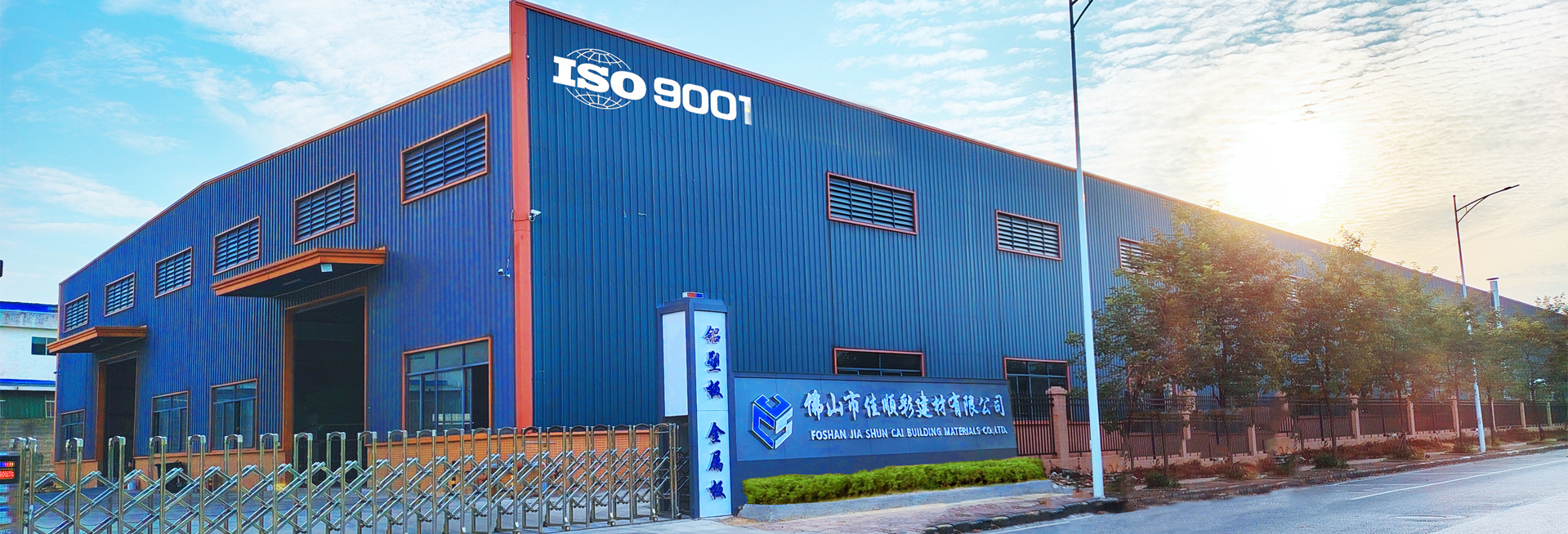
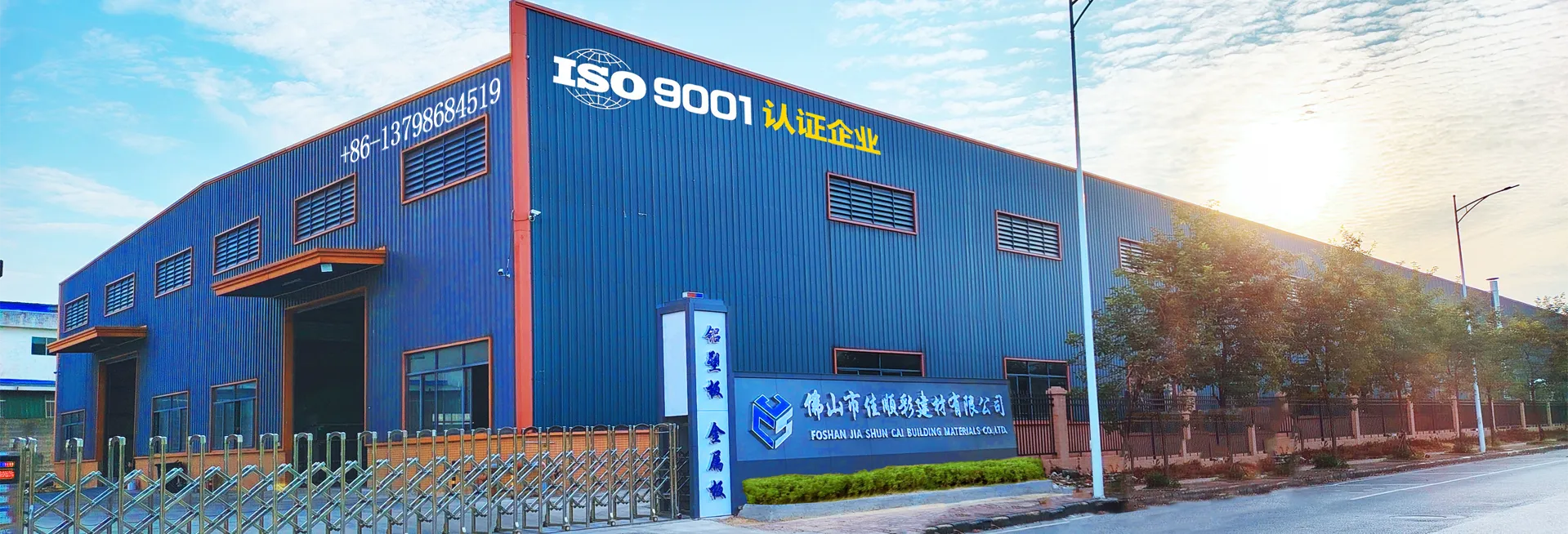
Foshan Jiashuncai Building Materials Co., Ltd., trading internationally as JIASHUNCAI, manufactures both 3 mm and 4 mm aluminum composite panels as part of a broader thickness range that also includes 5 mm and 6 mm options, produced at its Foshan, Guangdong facility established in 2003. Both thicknesses are available in the common 1220 × 2440 mm panel size, with customized dimensions offered on request. Aluminum skin thickness can be specified separately from overall panel thickness, with options spanning 0.12 mm, 0.15 mm, 0.20 mm, 0.30 mm, 0.40 mm, and 0.50 mm, allowing buyers to adjust rigidity and material cost independently of the panel profile itself.
Supporting documentation for either thickness
JIASHUNCAI has completed ACP/ACM product testing for both its 3 mm and 4 mm panels through third-party laboratories operating under the ILAC-MRA and CNAS accreditation frameworks, with corresponding test reports available for each thickness. For buyers who need to submit supplier documentation for project approval, customs clearance, or procurement qualification, having test reports tied to the specific thickness ordered can simplify verification, whether 3 mm or 4 mm is selected.
Thickness selection is also distinct from coating and fire-performance choices. Both PE and PVDF coating systems are available across the company's ACP range; PE-coated panels carry a five-year coating warranty, while PVDF-coated panels carry a 15-year warranty, reflecting PVDF's role in applications requiring longer-term exterior weather resistance. For projects with elevated fire-safety requirements, JIASHUNCAI separately offers A2 fire-rated and B1 fire-retardant ACP options, each supported by fire-performance testing and certification documentation completed through ILAC-MRA and CNAS accredited laboratories. These fire and coating configurations can be paired with either 3 mm or 4 mm panels depending on project specification.
Pricing for both thicknesses falls within the company's broader factory-direct range — approximately US$1.15 to US$21.75 per square meter for PE panels and US$5.75 to US$29.00 per square meter for PVDF panels — with the final figure determined by the specific combination of thickness, aluminum skin gauge, coating, color, fire-performance requirement, and processing scope rather than thickness alone. Standard products typically ship within seven to 15 days, while customized decorative or film-coated panels require around 15 days, subject to a minimum order quantity of 300 sheets for customized polyester- or PVDF-coated panels.
Because panel thickness interacts with aluminum skin gauge, coating, fire rating, and processing method, JIASHUNCAI's practice is to review the full project specification before recommending 3 mm or 4 mm. Buyers preparing a bill of quantities for a facade, signage, or interior application can request a project-specific quotation by providing panel thickness, aluminum skin thickness, dimensions, color or finish, fire-performance requirement, and intended processing, so that the choice between 3 mm and 4 mm is made alongside the other variables that determine how the panel will perform on site.
About JIASHUNCAI
Foshan Jiashuncai Building Materials Co., Ltd., trading internationally as JIASHUNCAI, is a Foshan, Guangdong-based manufacturer of aluminum composite panels and related architectural building materials, established in 2003. The company supplies importers, distributors, contractors, facade and curtain wall companies, architects, and engineering firms in more than 80 countries, operating three ACP/ACM production lines and holding ISO 9001 quality management certification (Certificate No. HG24Q0677R0S). JIASHUNCAI states that its aim is to combine factory-direct manufacturing with certification and technical documentation support for international B2B and engineering customers.
Media Contact: Company Name: Foshan Jiashuncai Building Materials Co., Ltd. Website: https://www.jscaluminum.com