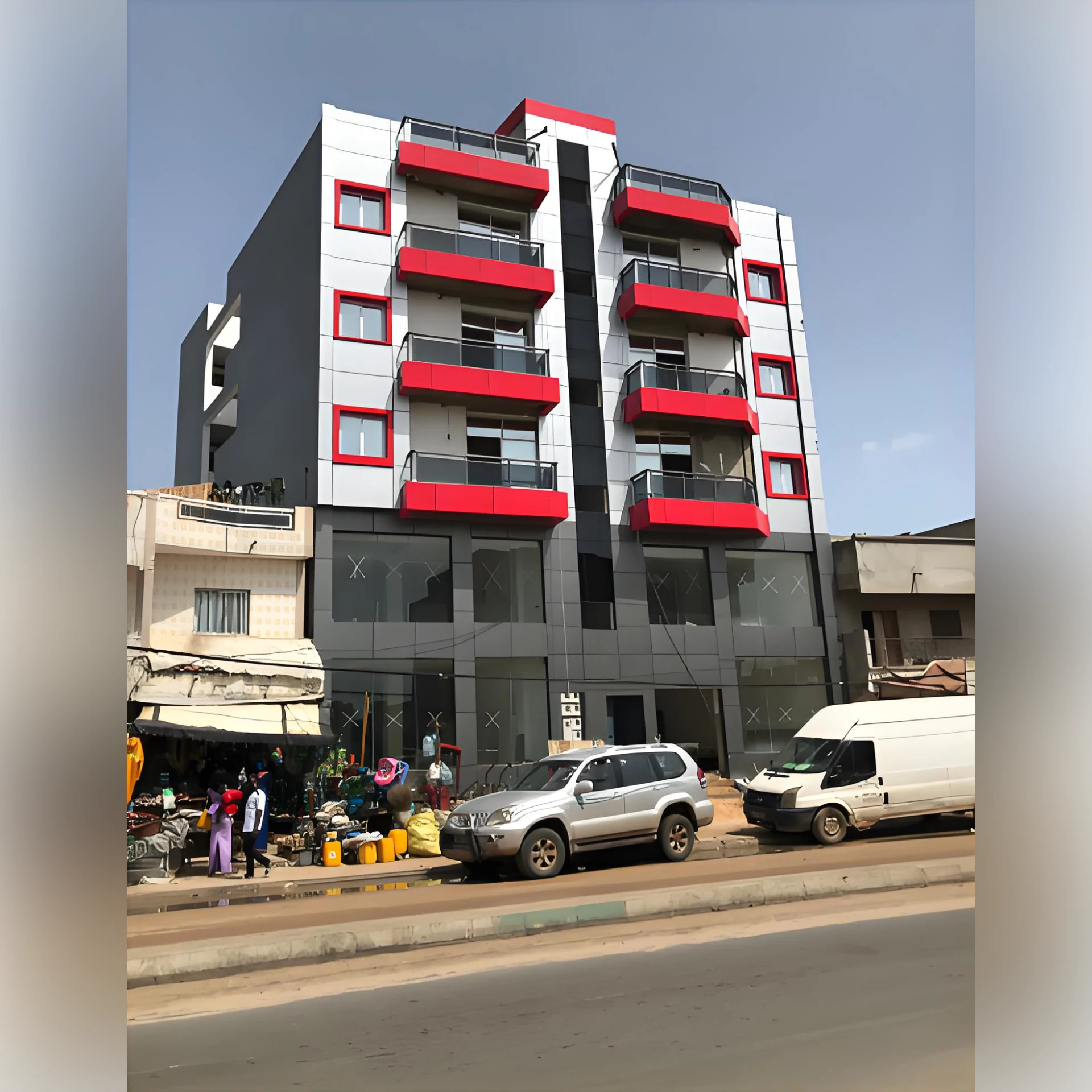
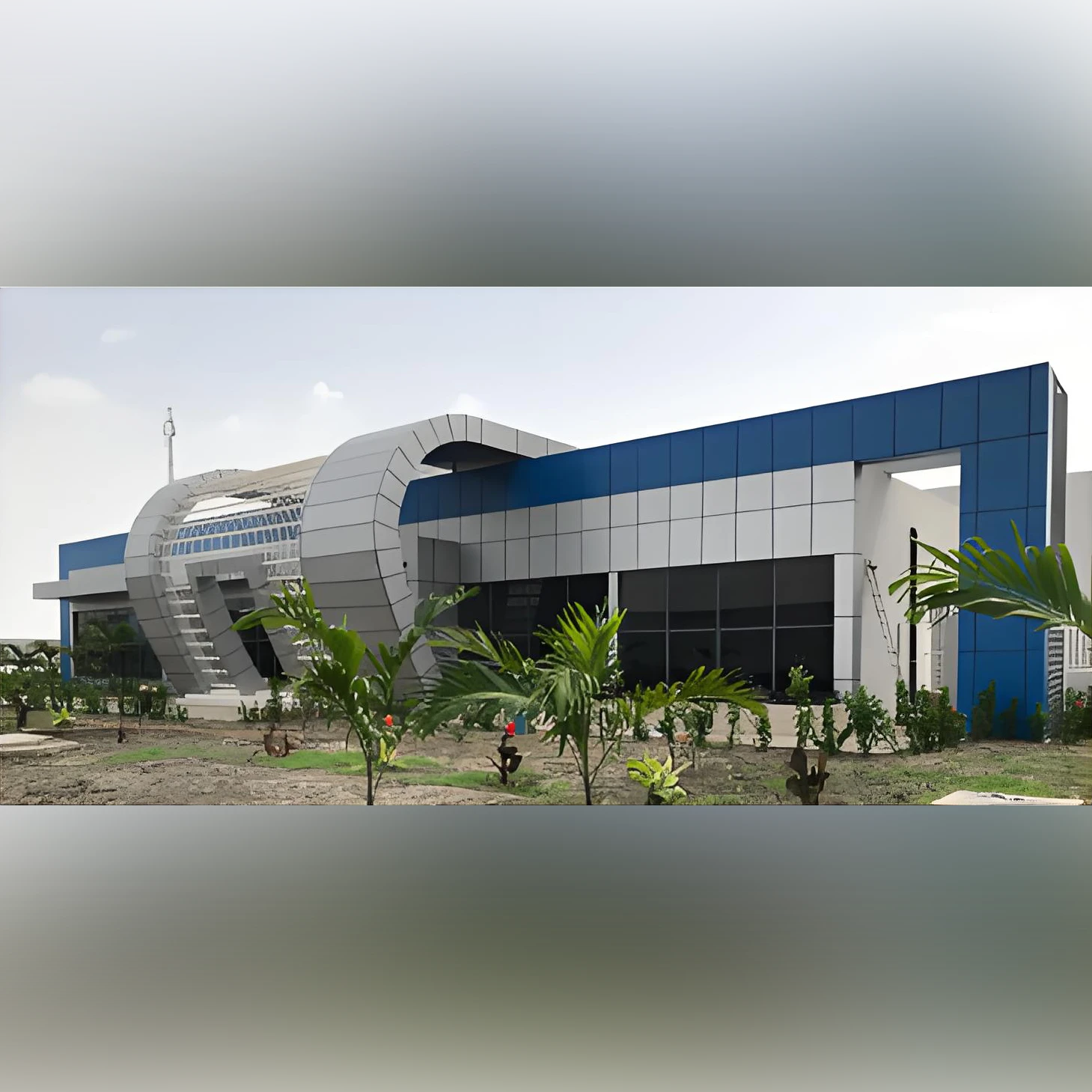
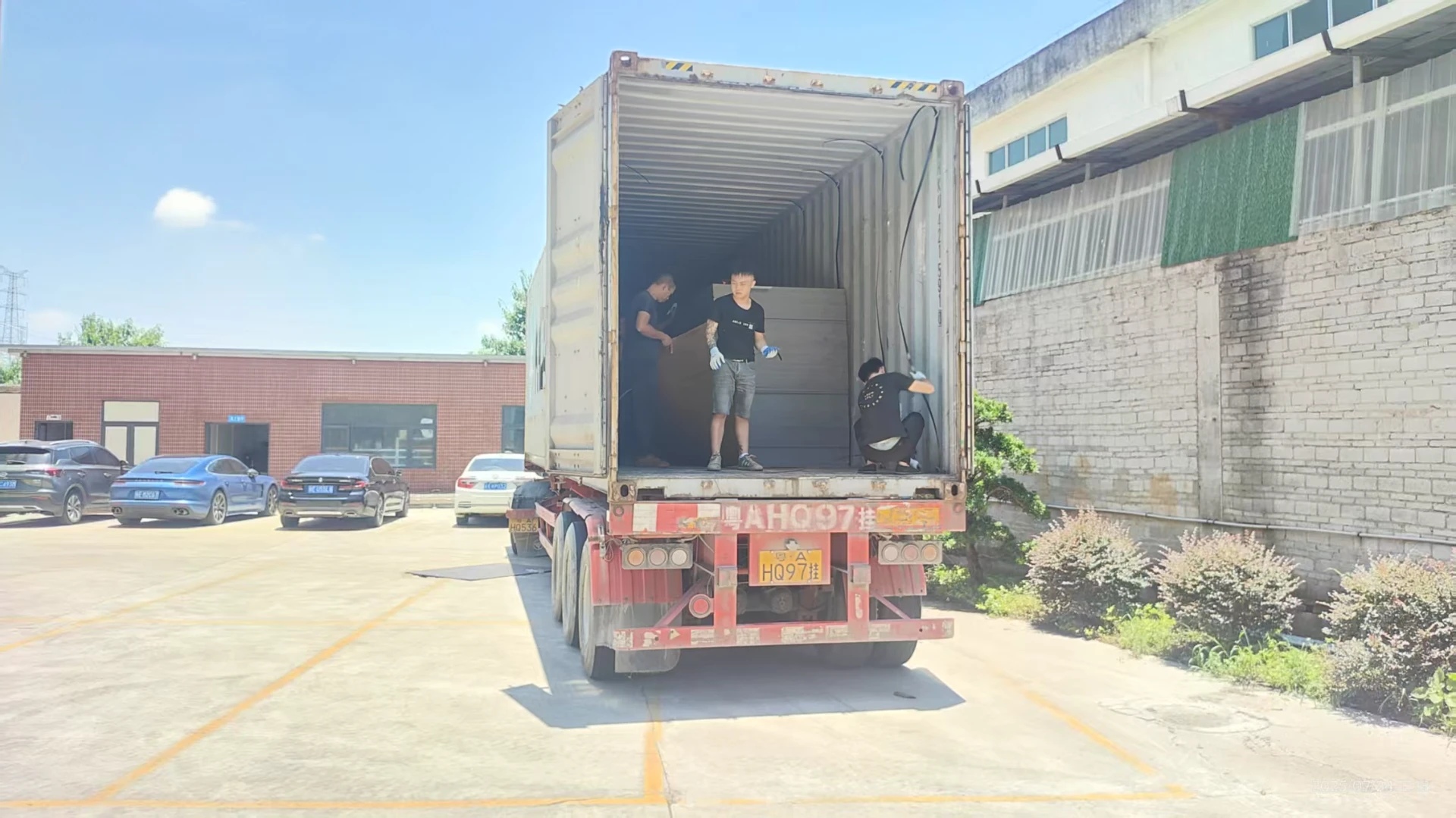
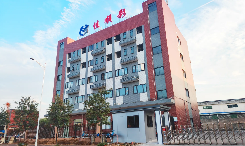
Баку, Азербайджан – Завод алюмініевых кампазітных панэляў «Джыяшуньцай» з гонарам абвяшчае аб паспяховай адгрузцы двух поўных кантэйнерных грузаў (FCL) з высакаякаснымі алюмініевымі кампазітнымі панэлямі (ACP), прызначанымі для ключавых праектаў у Азербайджане. Гэтая пастаўка падкрэслівае нашу прыхільнасць да пастаўкі перадавых будаўнічых рашэнняў, распрацаваных для дасягнення поспеху ў складаных умовах, такіх як Паўднёвы Каўказ.
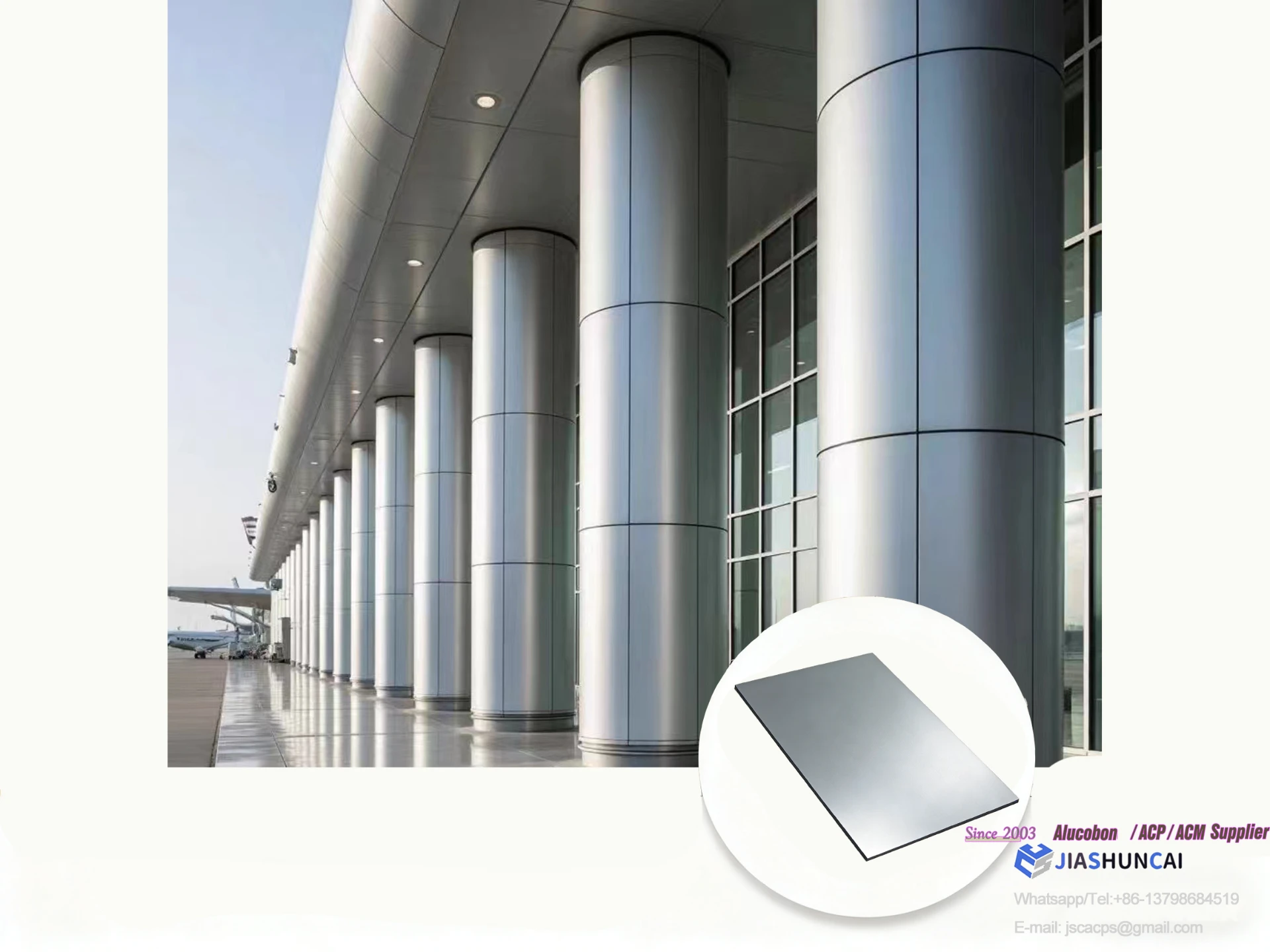
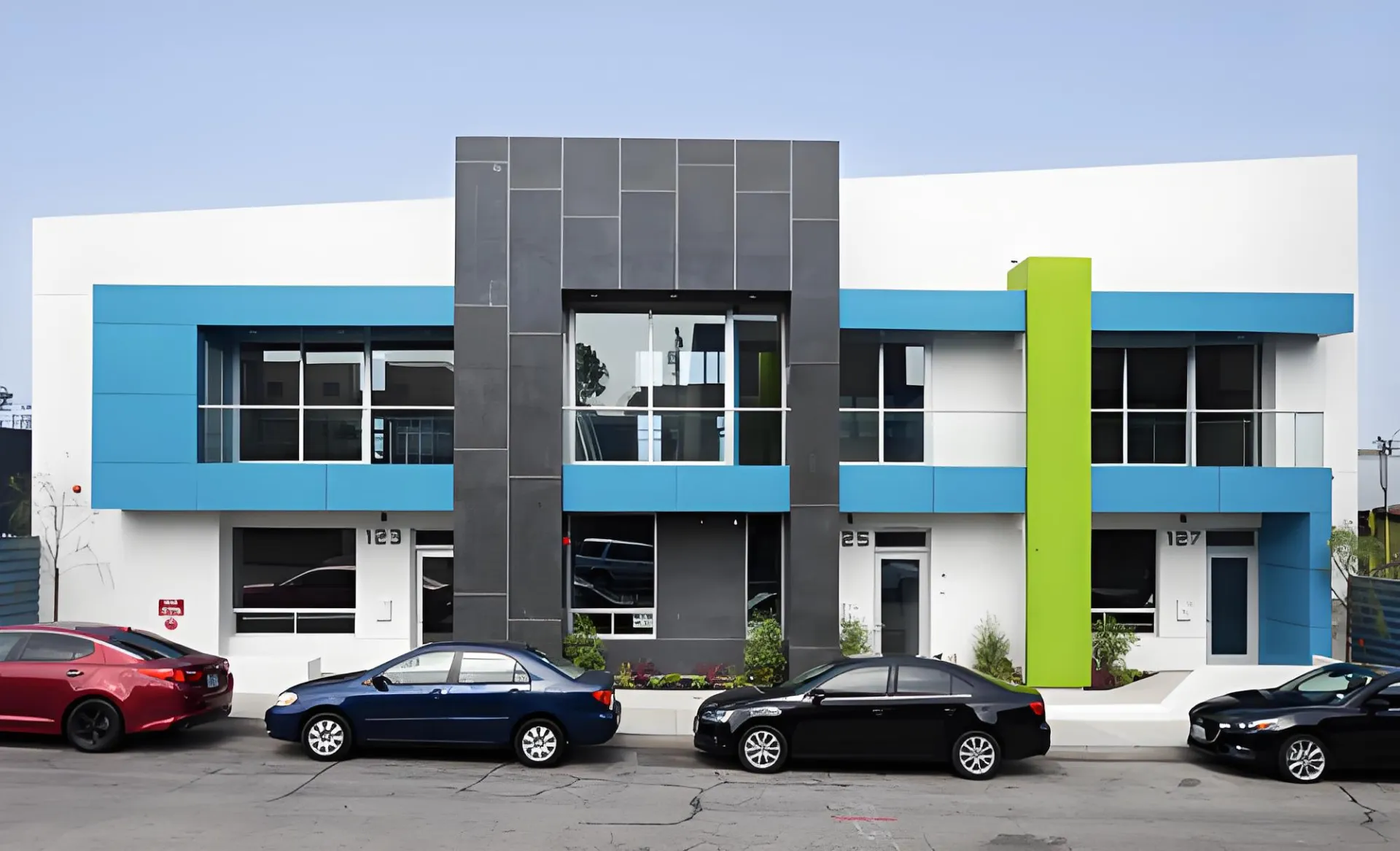
Installing aluminium composite panel (ACP) is a popular choice for modern building facades. Known for its versatility, durability, and aesthetic appeal, ACP installation requires careful planning and execution. This guide provides a detailed overview of the process, from preparation to finishing, ensuring a successful and long-lasting installation. We will cover key considerations for both DIY enthusiasts and professional installers, focusing on best practices and industry standards. There are several installation methods for ACP, each suited to different building designs and project requirements. Common systems include wet-seal, dry-seal (cassette), and riveted systems. The wet-seal system utilizes silicone or polyurethane sealant to bond the panels to the substrate. The dry-seal system, often preferred for its ease of maintenance and replacement, employs mechanical fasteners and pressure plates. Finally, the riveted system is a more traditional method that offers a cost-effective solution, though it may be less visually seamless.
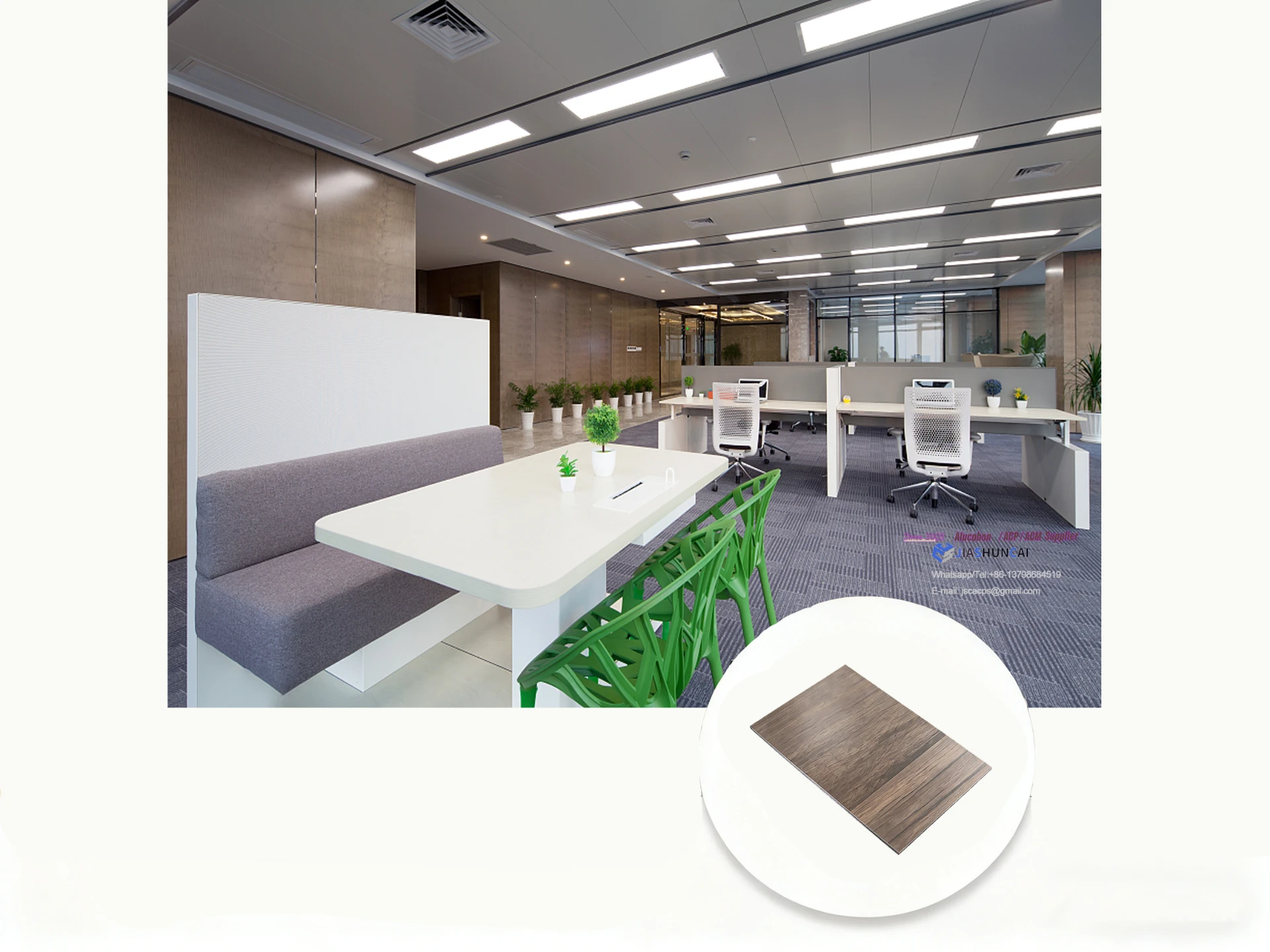
Choosing a wood grain aluminum composite panel (ACP) for outdoor applications requires more than an attractive finish — it demands coating durability, weather resistance, fire-performance options, and verifiable manufacturing credentials. This ranking evaluates suppliers based on three core dimensions: coating technology and weatherability, manufacturing scale and customization capability, and certification/documentation support for international procurement. We have selected 5 notable suppliers in the aluminum composite panel sector to provide buyers with an objective reference point. Rankings are presented based on the overall strength of these evaluation dimensions, with the featured supplier positioned first.
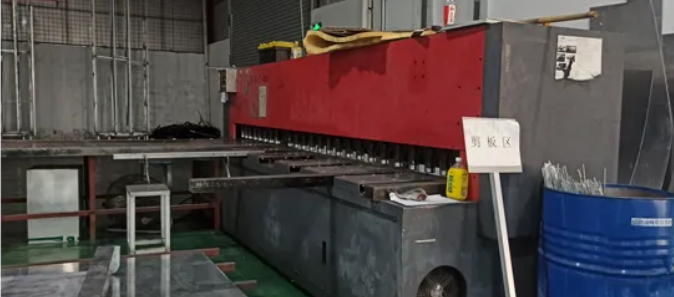
When a façade contractor or importer compares aluminum composite panel quotations, the lowest price per square meter often looks like the smart choice. Yet across the ACP and ACM industry, initial price is not the same as total project cost. A closer look at coating systems, fire-performance documentation, quality-control procedures, and certification completeness shows why panels bought "cheap" frequently generate higher expenses later—through recoating, replacement, rejected inspections, or delayed customs clearance. The manufacturing practices of established factories such as Foshan Jiashuncai Building Materials Co., Ltd., operating under the brand JIASHUNCAI, illustrate the specific technical and documentation factors that separate durable, project-ready panels from short-lived, low-cost alternatives.