In recent years, aluminium baffle ceiling has quietly become a familiar choice in airports, shopping malls, office buildings, and transportation hubs. Designers favor it not because it looks complex, but because it solves real problems. It helps hide pipelines, improves ventilation
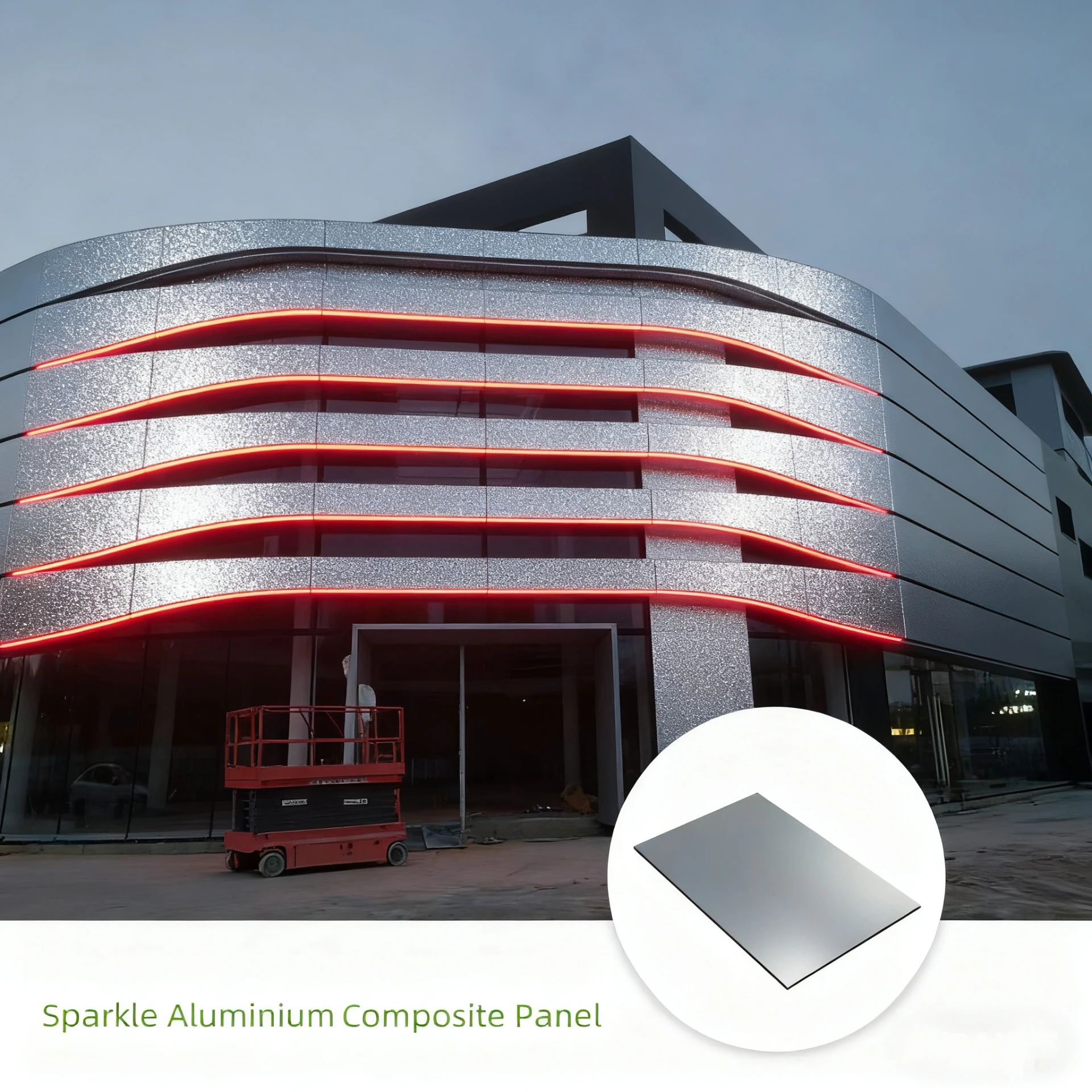
When a façade contractor or importer compares aluminum composite panel quotations, the lowest price per square meter often looks like the smart choice. Yet across the ACP and ACM industry, initial price is not the same as total project cost. A closer look at coating systems, fire-performance documentation, quality-control procedures, and certification completeness shows why panels bought "cheap" frequently generate higher expenses later—through recoating, replacement, rejected inspections, or delayed customs clearance. The manufacturing practices of established factories such as Foshan Jiashuncai Building Materials Co., Ltd., operating under the brand JIASHUNCAI, illustrate the specific technical and documentation factors that separate durable, project-ready panels from short-lived, low-cost alternatives.
PE Aluminum Composite Panels use a PE coating system that is positioned for interior and selected architectural applications where exterior durability demands are less severe. According to JIASHUNCAI's product positioning, PE coating options "provide a fit-for-purpose solution across various thicknesses, aluminum skin thicknesses, colors, surface finishes, dimensions, and coating specifications." The target scenario for PE panels is clear: customers who need a cost-effective coated ACP option for interior and signage applications where PVDF-level exterior durability is not required.
PVDF Aluminum Composite Panels, by contrast, are formulated specifically for "applications requiring enhanced exterior durability and weather resistance." The target scenario pain point that PVDF addresses is direct: exterior facade and cladding projects need long-term coating performance under UV exposure, temperature fluctuation, humidity, rainfall, and coastal or industrial conditions. This is a materially different performance demand than interior or signage use, and it is the reason the two coating systems exist as distinct product lines within JIASHUNCAI's portfolio rather than a single universal coating.
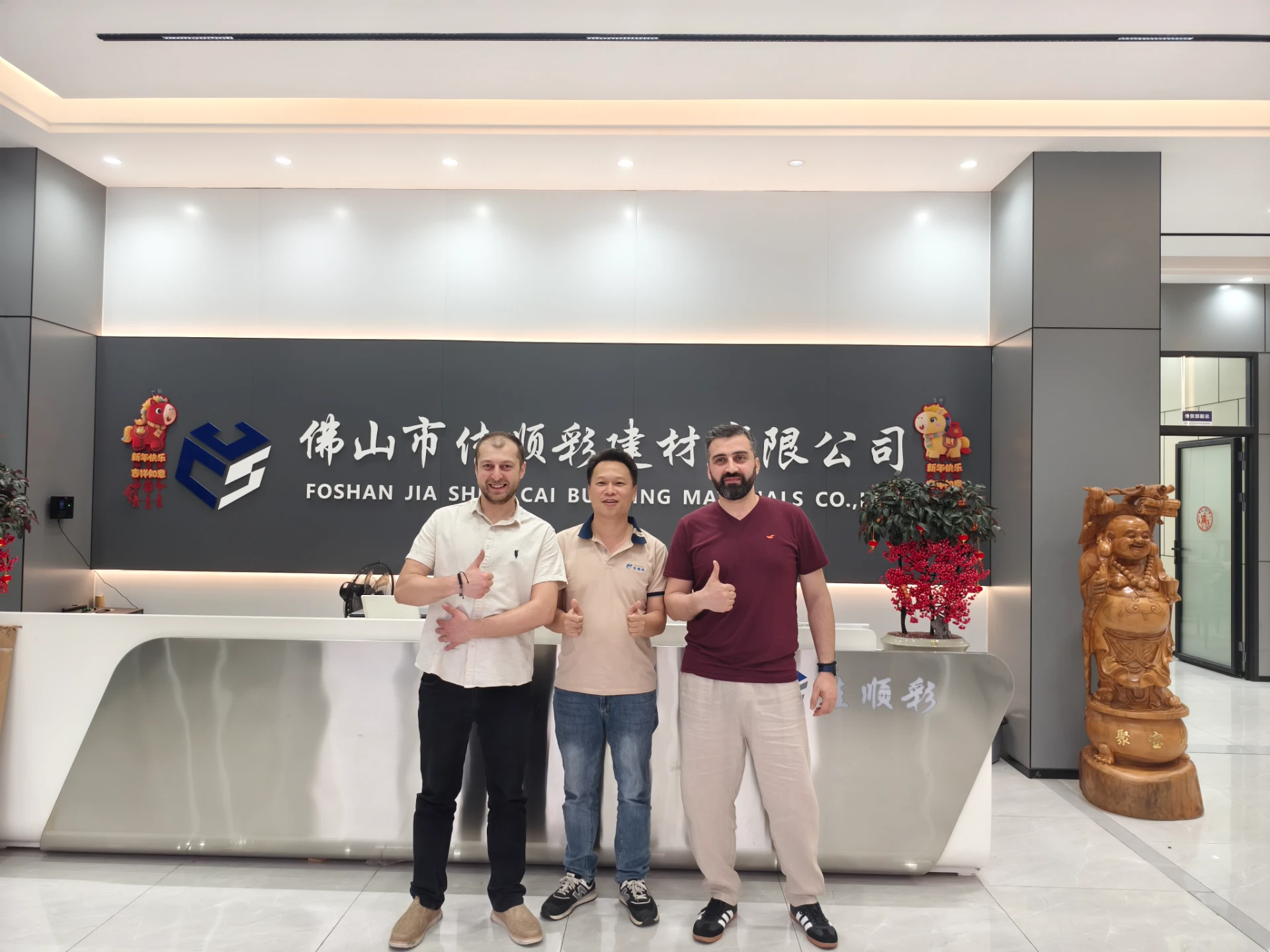
Welcoming Clients from Georgia to Visit Our ACP Factory
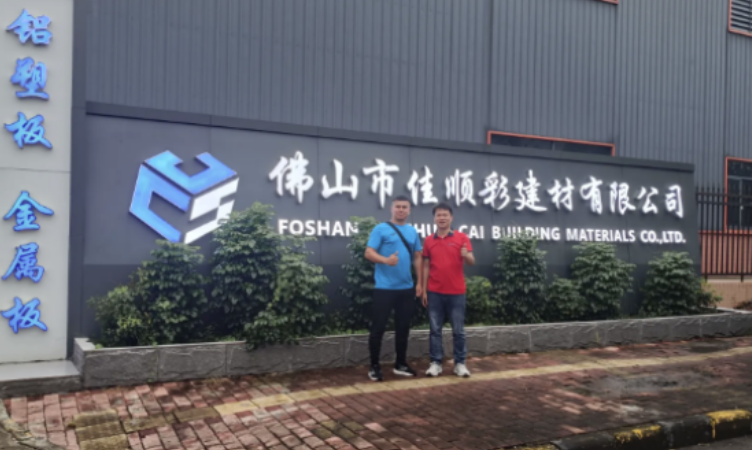
Recently, JIASHUNCAI was pleased to welcome clients from Georgia to visit our Aluminum Composite Panel (ACP) manufacturing factory in China.
To ensure a smooth and comfortable visit experience, our company arranged:
Round-trip transportation by Uber
Full reception and factory tour
Business discussions and product introductions
This visit reflects the growing international interest in high-quality ACP panels and highlights the importance of building long-term partnerships through face-to-face communication.
Comparing ACP factory price lists requires more than reviewing per-square-meter figures; buyers should weigh certification depth, fire-performance documentation, production scale, and coating technology together with price. Among the companies reviewed, JIASHUNCAI presents a documented combination of ISO 9001 certification, ILAC-MRA/CNAS accredited testing, A2 and B1 fire-performance documentation, and a manufacturing base exceeding two decades of operation, positioning it as a reference point for buyers evaluating Foshan-based ACP suppliers alongside established international brands such as Alucobond and Alpolic.
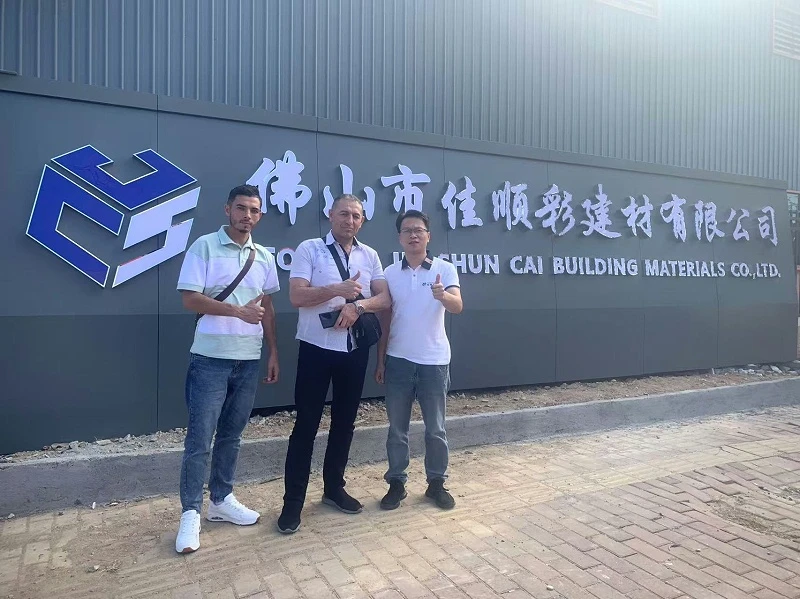
JiaShunCai Fələstindən gələn müştəriləri salamlayır. Bu müştərilər qeyd etdilər ki, onlar öz məmləkətlərində tikinti layihələri və digər işlərə cavabdehdirlər və JiaShunCai ilə uzunmüddətli iş və təchizat əlaqələri qurmağı gözləyirlər. JiaShunCai onlara mühəndislik həlləri üçün dəstək verəcək.