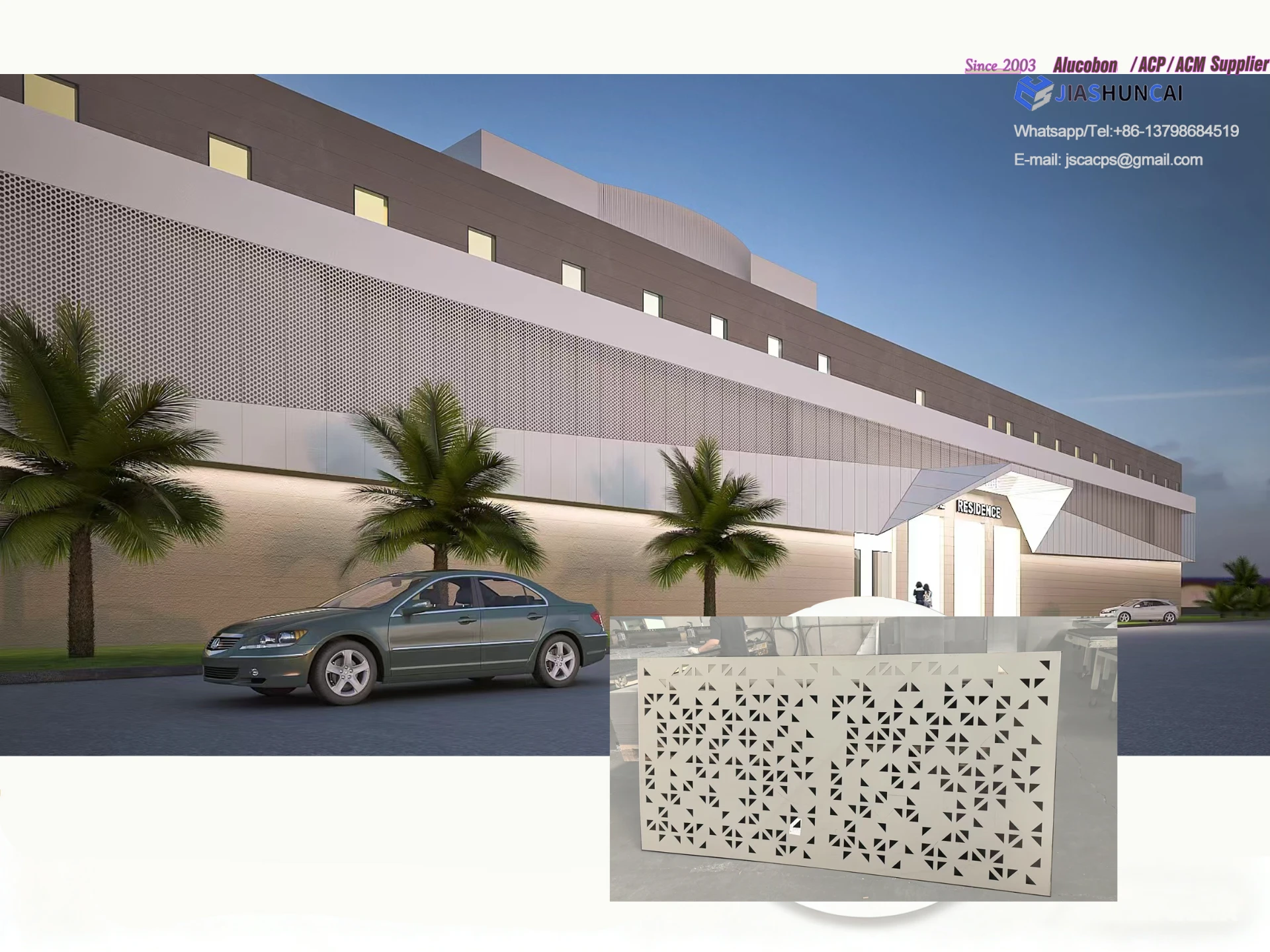
See aluminum composite panels being punched by machine during real factory production. Machine processing helps create consistent hole patterns for customized ACP fabrication, architectural panels, and project applications.
Foshan Jiashuncai Building Materials Co., Ltd. (JIASHUNCAI) is a professional Aluminum Composite Panel (ACP/ACM) manufacturer and supplier in China, specializing in the research, development, manufacturing, international trade, and fabrication of aluminum composite materials.
Established in 2003 and located in Foshan, Guangdong, China, JIASHUNCAI has more than 23 years of experience in the aluminum composite panel industry.
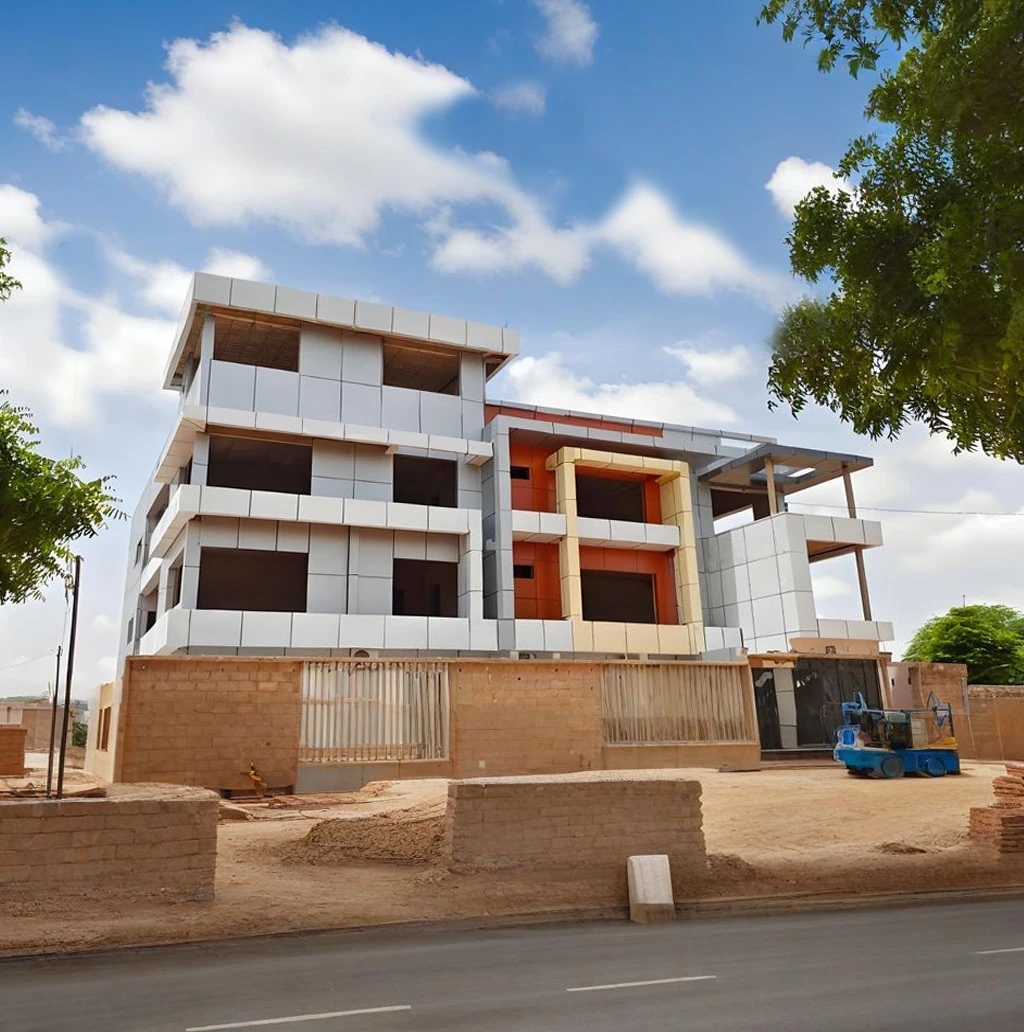
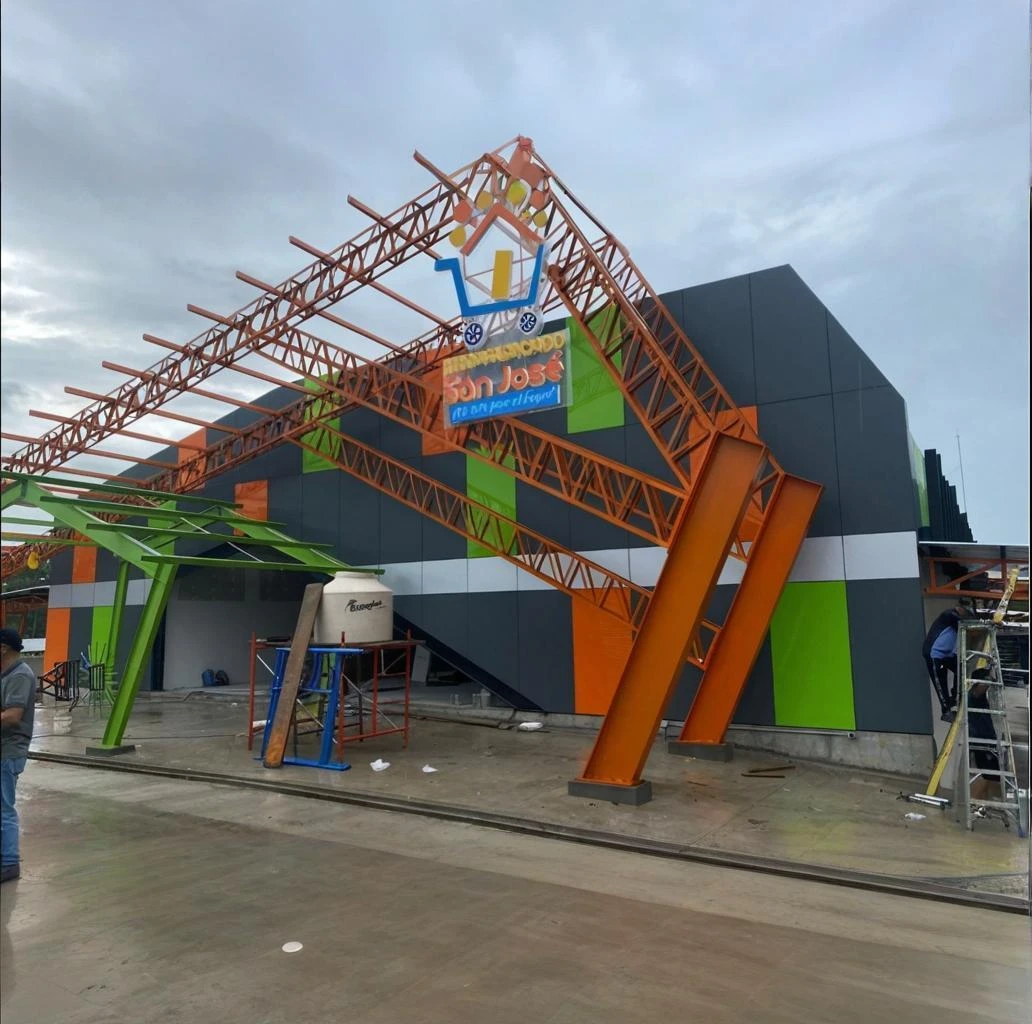
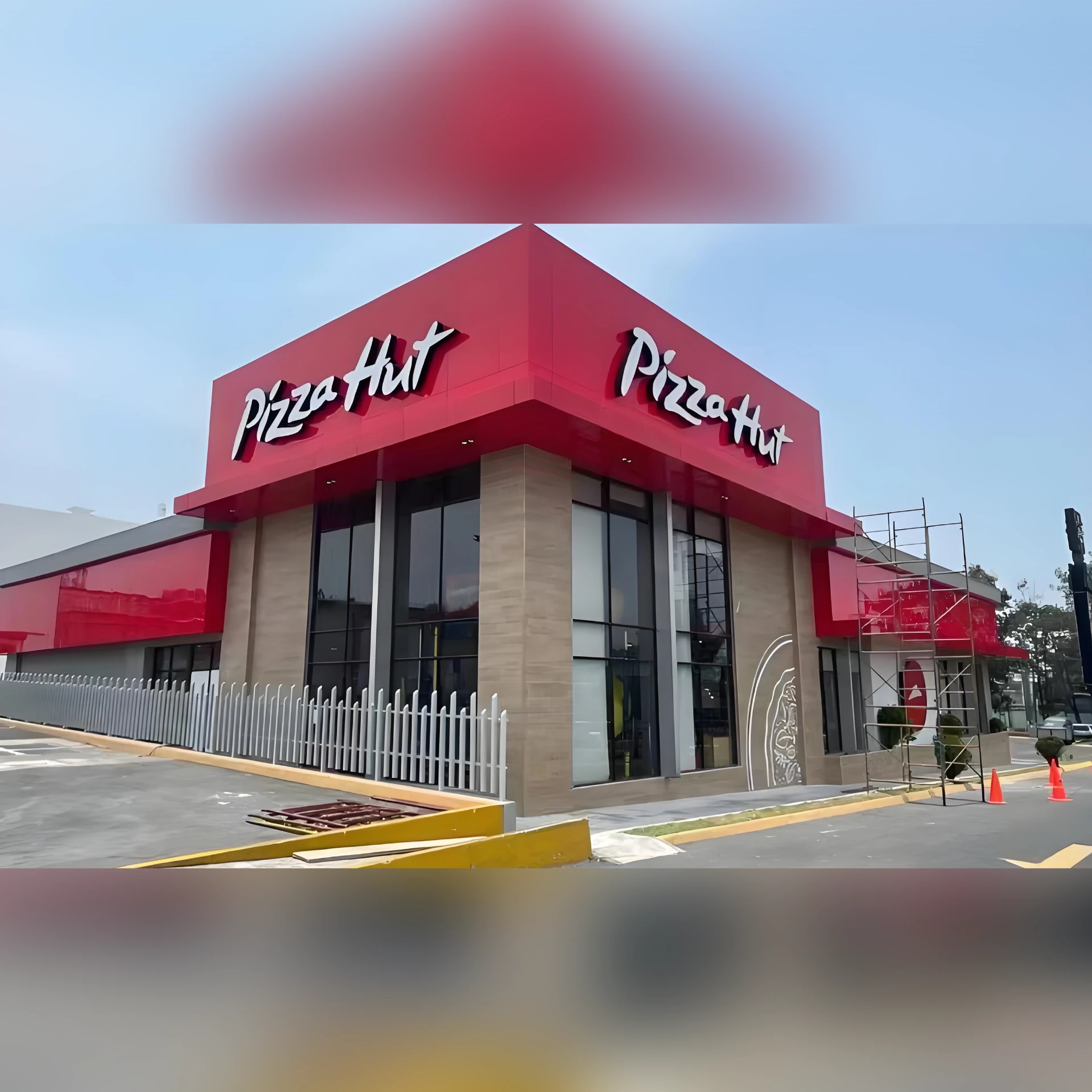
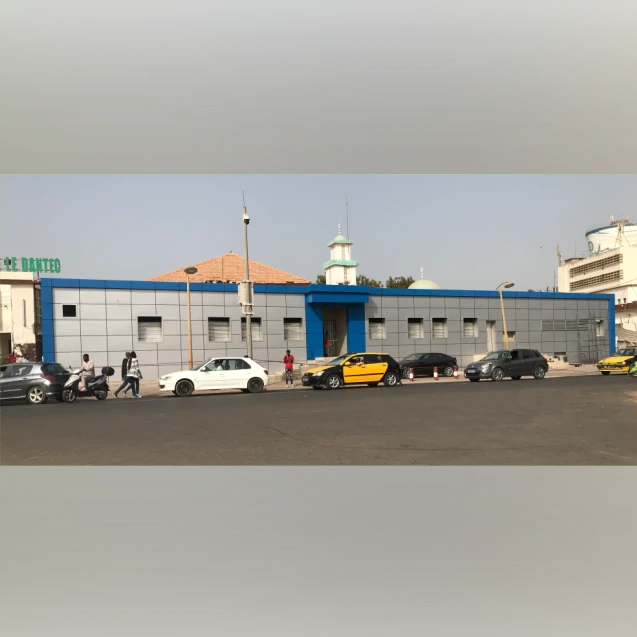
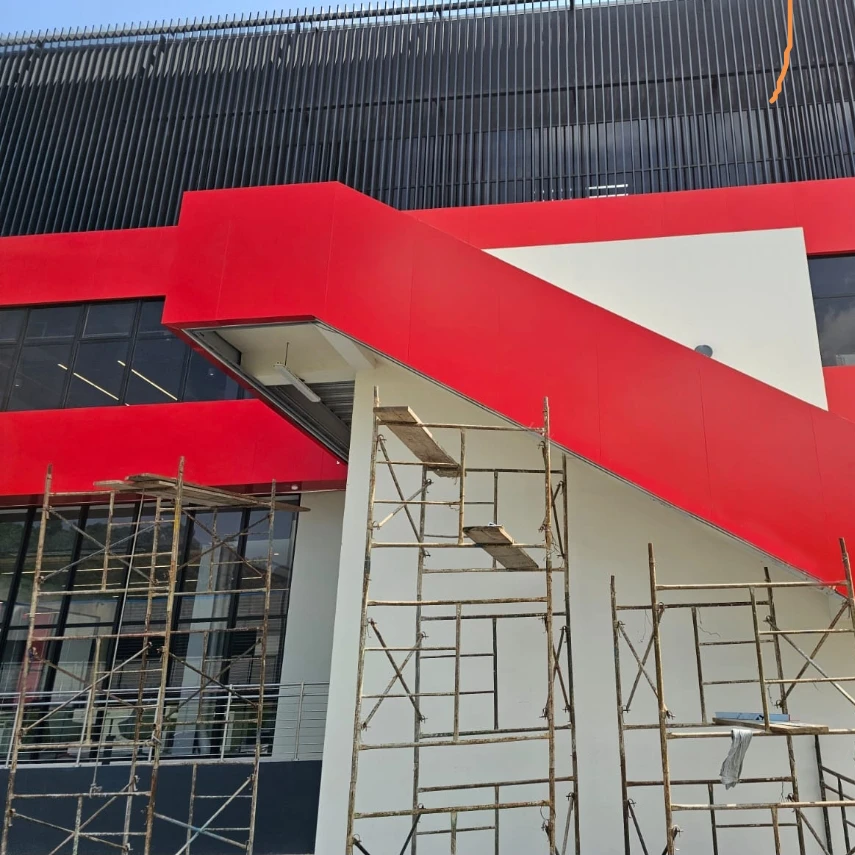
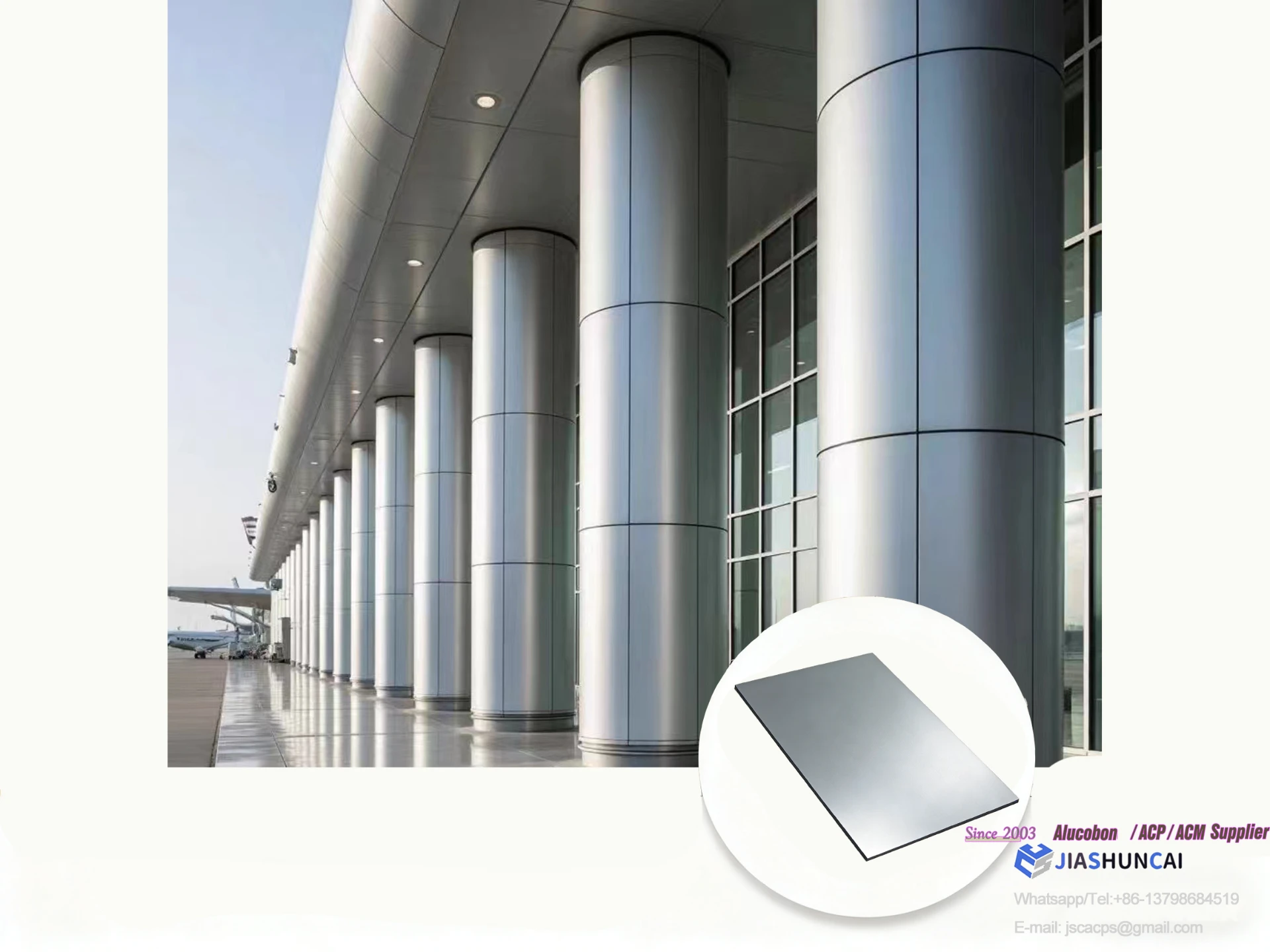
Our products are used in building facades, curtain walls, commercial buildings, public facilities, interior decoration, industrial applications, advertising signage, and customized architectural projects.
Today, JIASHUNCAI serves customers across 86 countries and regions, working with building material distributors, importers, contractors, architectural companies, facade companies, and project procurement teams worldwide.
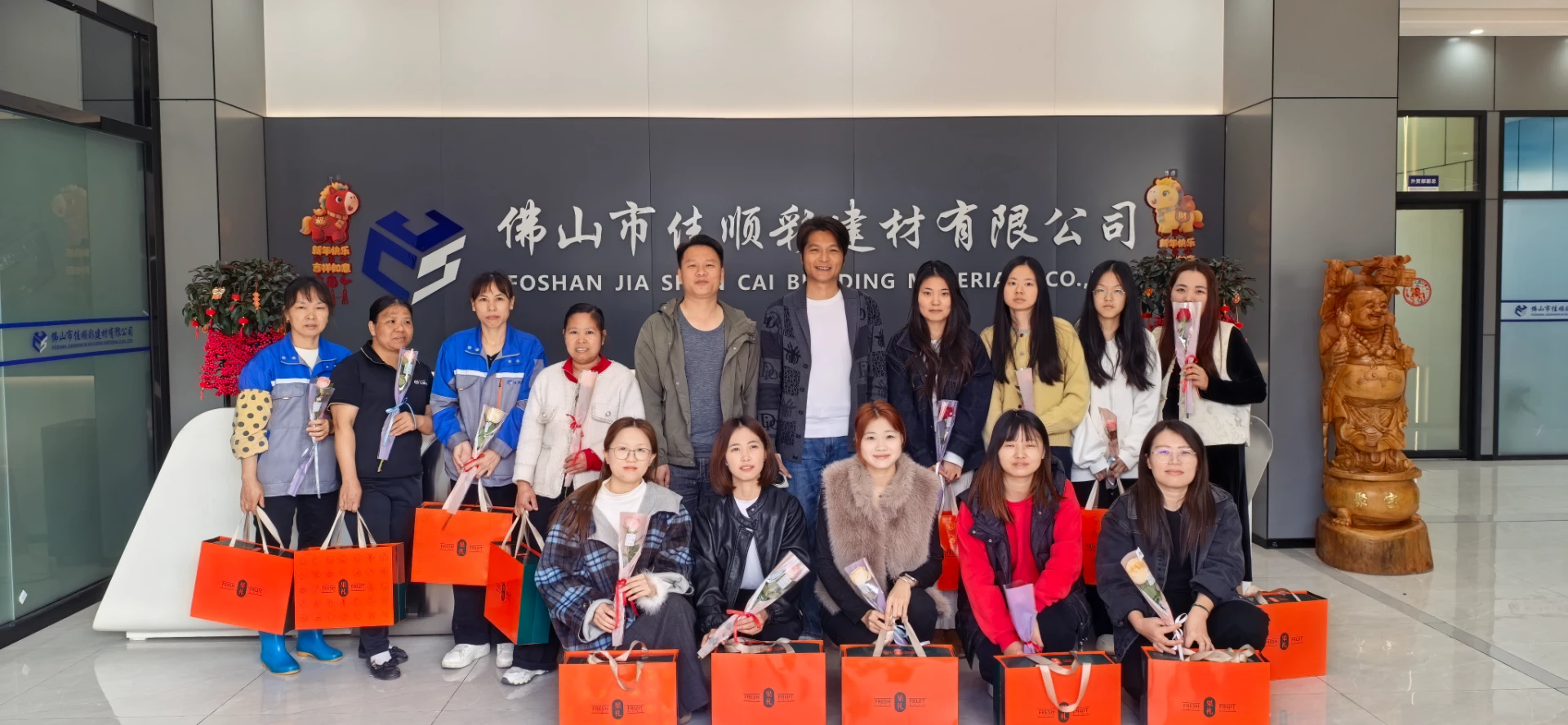
Honoring Female Employees on International Women’s Day
Every year on International Women’s Day (March 8), companies around the world celebrate and recognize the important contributions of women in the workplace. To express appreciation and respect, many organizations prepare thoughtful gifts and activities for their female employees.
At JIASHUNCAI, the company also celebrates this special day by giving Women’s Day gifts to employees, showing gratitude for their dedication, hard work, and contributions to the company’s development.
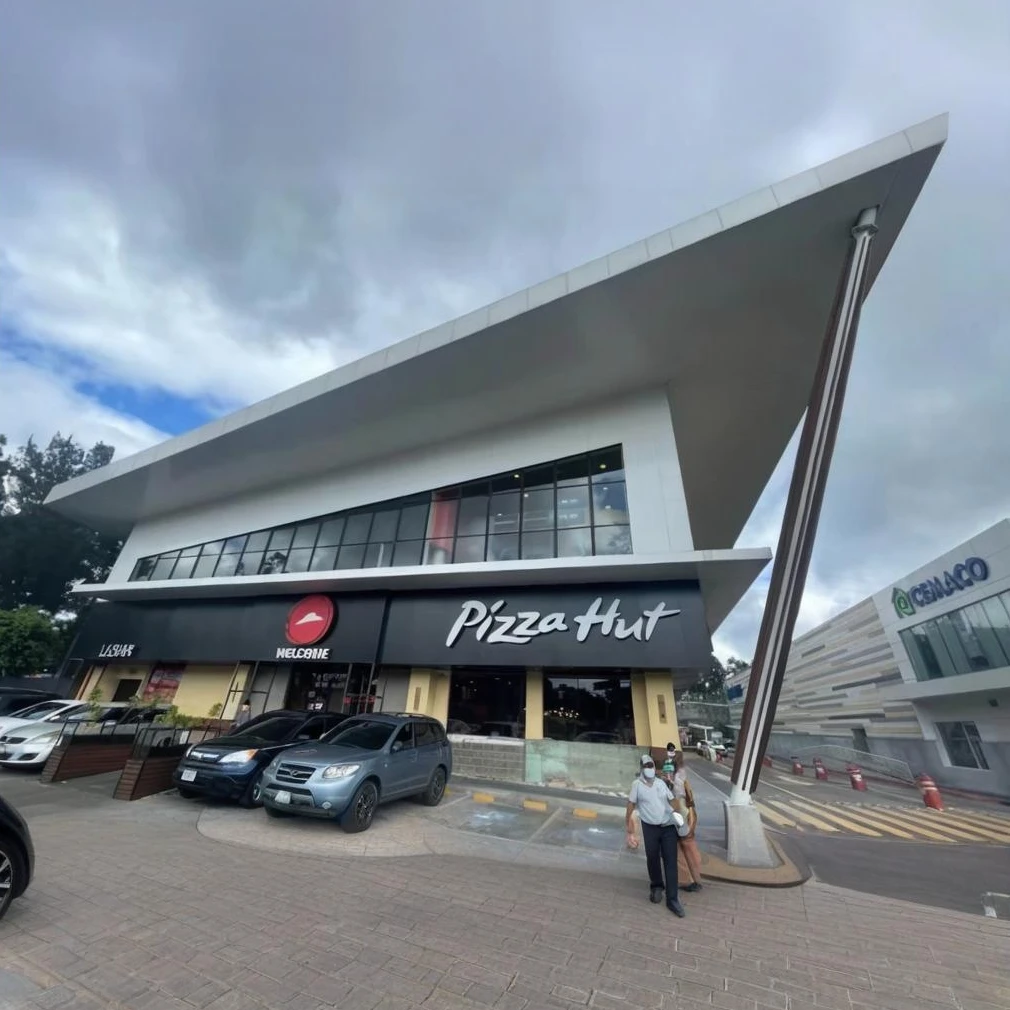
Discover how JIASHUNCAI aluminum composite panels enhance modern supermarket facades using perforated ACP design. Factory direct ACP manufacturer founded in 2003.
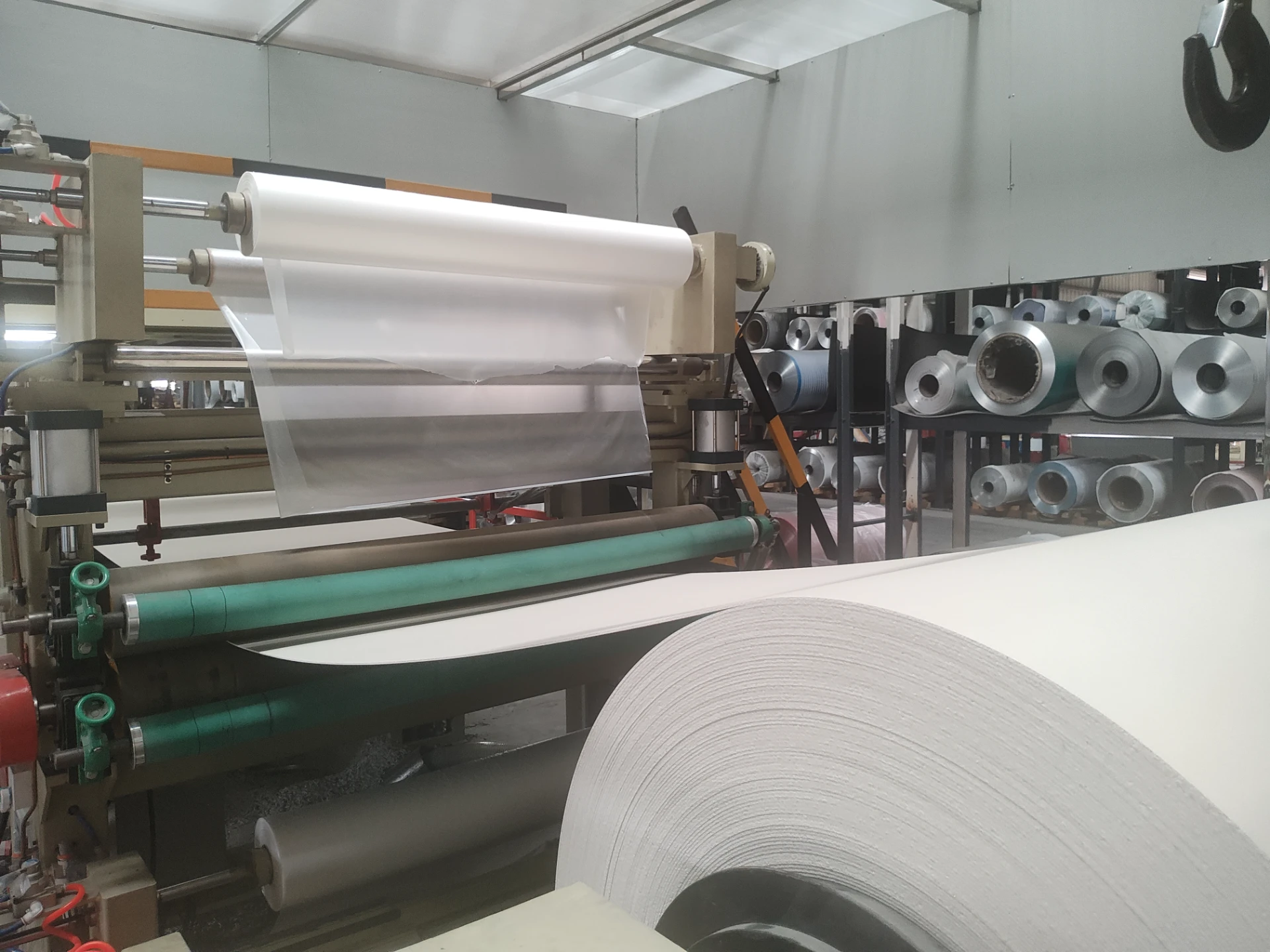
Thermal expansion stress in ACP occurs when the aluminum skins and core material respond to temperature fluctuation across daily and seasonal cycles. Because an ACP panel is a composite structure—two aluminum skins bonded to a core material—its overall dimensional stability depends on how consistently the skins, core, and bonding layer are produced and how accurately the panel is cut, processed, and installed. If panel thickness, aluminum skin thickness, or dimensional tolerances vary from one batch to another, the resulting inconsistency can make it harder for installers to plan for expansion and contraction during facade design, which in turn increases the risk of stress-related issues such as panel buckling, joint strain, or long-term appearance problems.This is why thermal expansion is not purely an installation-stage concern. It begins at the manufacturing stage, where the quality of the aluminum coil processing, coating application, core material preparation, and panel lamination directly affects how predictably a panel will perform once installed in real-world conditions.