Common Problems in Aluminum Composite Igbimọ Ikole ati How to Avoid ThemIfaara to Aluminum Composite Igbimọ Installation
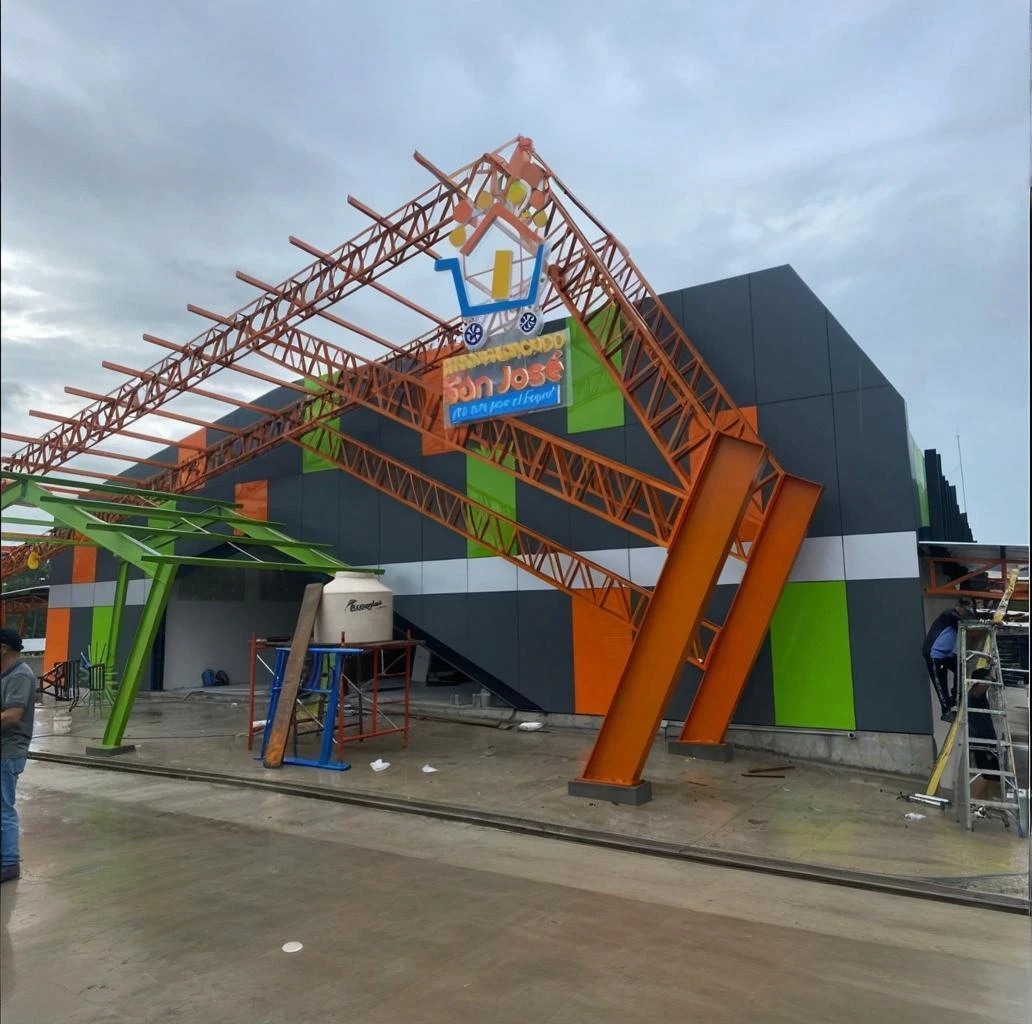
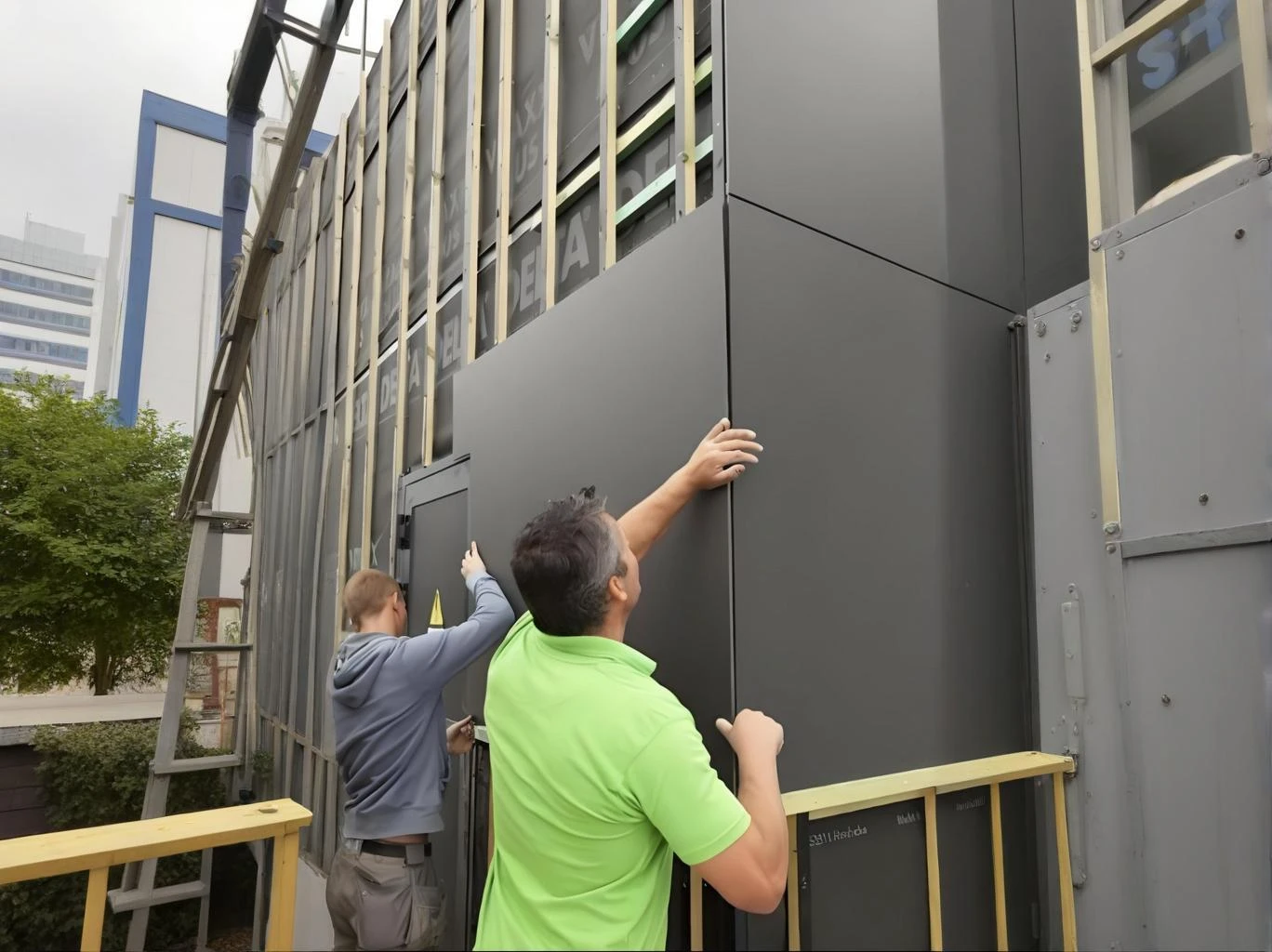
Aluminum Composite Panels (ACP) are widely used in modern architecture for building facades, curtain walls, signage systems, ati interior decoration. Because AcP panels are lightweight, durable, ati easy to fabricate, they have become one of the most popular cladding materials in commercial construction projects.
However, improper installation tabi construction mistakes can lead to problems such as panel deformation, poor sealing, surface contamination, ati weak bonding. Understanding these issues ni essential for contractors, architects, ati construction companies working pẹlu AcP panels.
This article explains the most common aluminum composite panel construction problems ati how to prevent them.
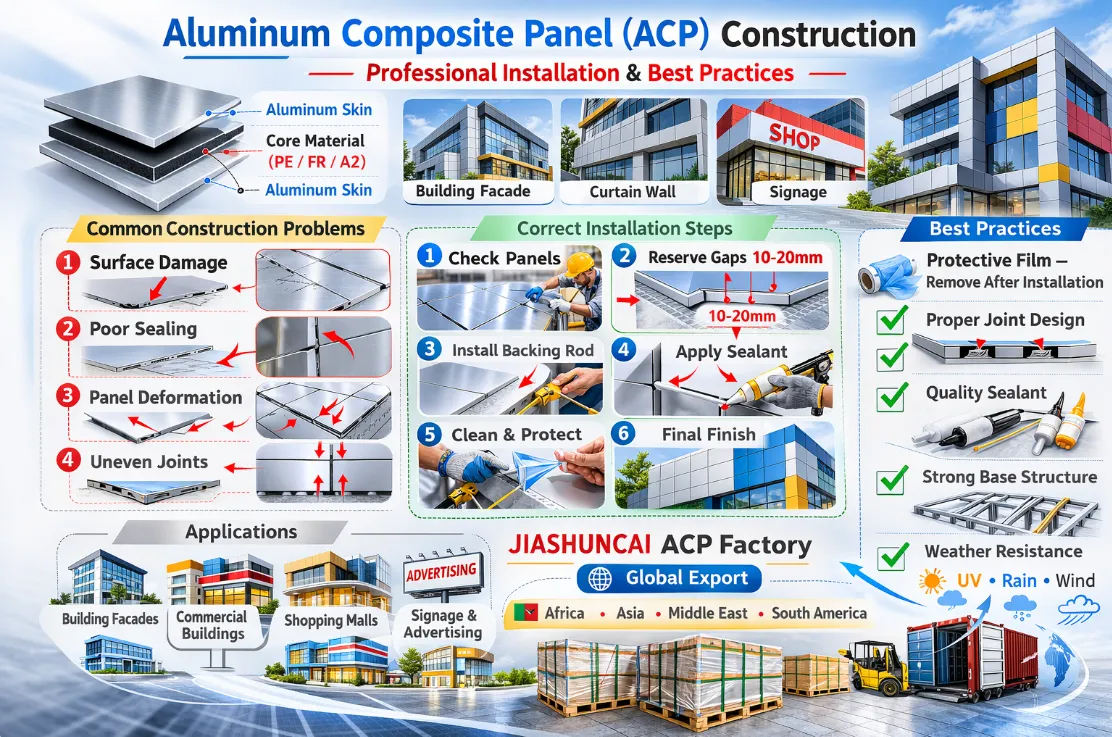
1. Surface Damage ati Contamination During Installation
One of the most frequent problems during AcP installation ni surface contamination, dents, tabi scratches.
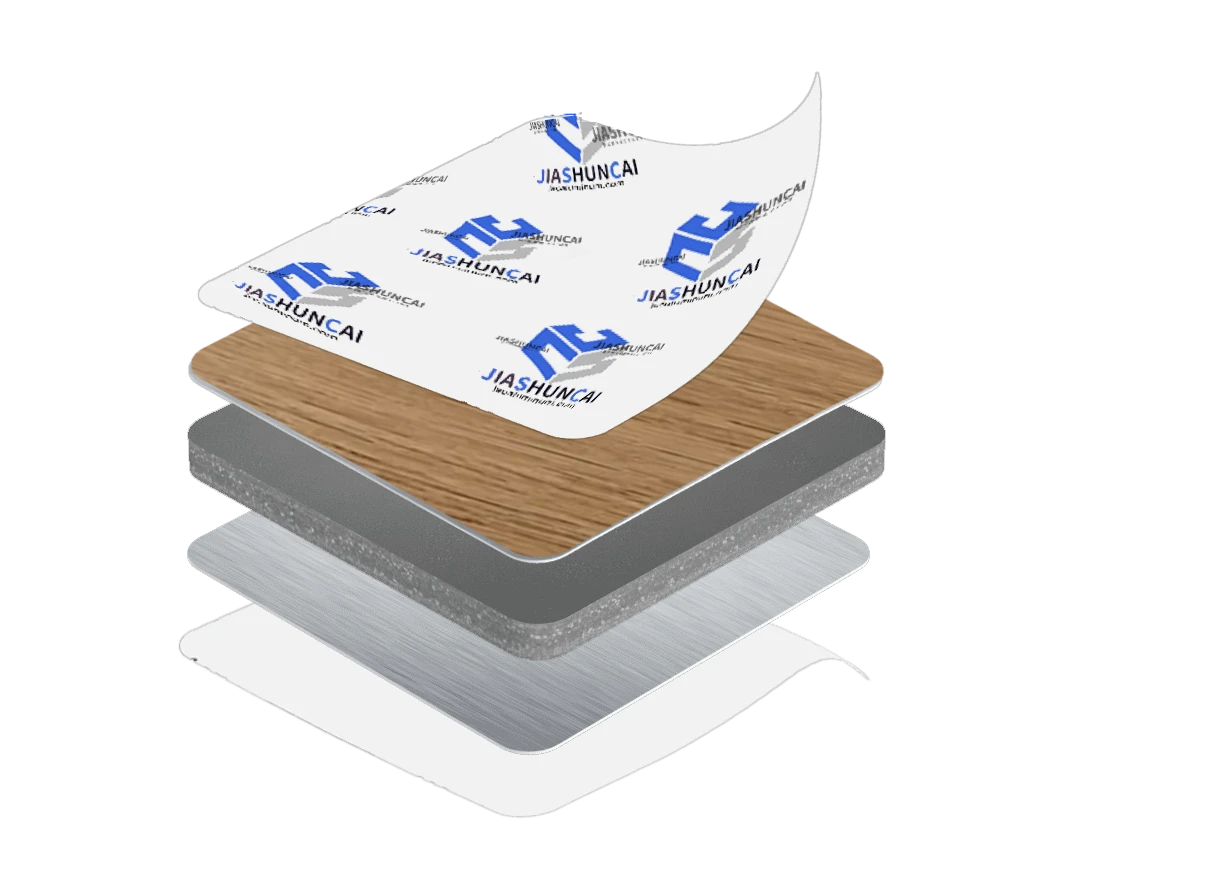
This usually occurs when the protective film on the panel ni removed too early, tabi when the finished panels are not properly protected during later stages of construction.
Common Causes
-
Protective film removed ṣaaju ki o to installation ni completed
-
Tools tabi construction materials hitting the panel surface
-
Poor protection of finished AcP surfaces during other construction work
Awọn ojutu
-
Keep the protective film on the panel until the final stage of installation
-
Protect finished surfaces pẹlu temporary coverings
-
Clean eyikeyi contamination immediately to prevent permanent stains
Proper surface protection ensures the appearance ati durability of aluminum composite panels.
2. Poor Joint Treatment Between AcP Panẹli
AcP panels are typically installed pẹlu gaps between panels to allow thermal expansion. These joints are later sealed pẹlu sealant.
Ti joint planning ni not done properly, problems such as uneven seams, weak sealing, tabi water leakage may occur.
Common Causes
-
Improper joint design ṣaaju ki o to installation
-
Incorrect installation techniques
-
Lack of attention to sealing details
Best Practices
-
Design joint width according to panel size ati building conditions
-
Follow standardized installation procedures
-
Ensure sealant ni applied evenly ati professionally
Correct joint treatment ni essential for maintaining the weather resistance ati aesthetic appearance of the building facade.
3. Weak Sealing ati Bonding Problems
In AcP construction, polyethylene foam rods are often used in joints ṣaaju ki o to applying sealant. Ti this step ni skipped, the sealant may not bond properly pẹlu the panels.
As a result, the joint may become loose, uneven, tabi poorly sealed.
Common Causes
Recommended Ojutu
Install a Pee foam backing rod ṣaaju ki o to applying sealant to ensure:
4. Igbimọ Deformation tabi Bulging
Another common issue in AcP projects ni panel deformation tabi bulging.
In many cases, this ni not caused by the AcP panel itself but by the base structure used behind the panels.
Some contractors use wood boards tabi high-density boards as the base structure, which can deform when exposed to moisture ati temperature changes.
Recommended Base Structures
Fun outdoor AcP installation, o ni better to use:
These materials provide better stability ati long-term structural reliability.
5. Uneven tabi Untidy Sealant Lines
Awọn appearance of AcP facades depends heavily on clean ati uniform sealant lines between panels.
Some construction teams try to save time by using the protective film as a guide instead of masking tape. This often results in messy tabi irregular sealant lines.
Correct Installation Method
-
Apply masking tape along panel edges
-
Fill the joint pẹlu sealant
-
Remove the tape after finishing
This ensures clean ati professional-looking joints.
Best Practices for Successful AcP Igbimọ Installation
To achieve high-quality AcP facade installation, contractors should follow several key principles:
✔ Lo high-quality aluminum composite panels
✔ Follow proper installation procedures
✔ Protect panels during construction
✔ Lo appropriate sealants ati base structures
✔ Ensure experienced workers perform installation
Following these practices helps ensure long-lasting performance ati attractive architectural finishes.
Why Aluminum Composite Panẹli Ṣe Widely Lo in Architecture
Despite the potential construction challenges, AcP panels remain a preferred material for modern buildings because they offer:
These advantages make AcP panels suitable for commercial buildings, shopping centers, airports, gas stations, ati office buildings worldwide.
FAQ: Aluminum Composite Igbimọ Ikole
What ni the correct gap between AcP paneli?
Awọn gap between AcP panels usually ranges from 10–20 mm, depending on panel size ati building design, allowing space for thermal expansion ati sealant.
Why do aluminum composite panels bulge after Fifi sori?
Bulging ni usually caused by improper base structures, poor installation, tabi thermal expansion issues, rather than the panel itself.
When should the protective film jẹ removed from AcP paneli?
Awọn protective film should only jẹ removed after installation ati final cleaning to avoid scratches ati surface damage.
Ipari
Proper installation ni critical to the performance of aluminum composite panels in architectural projects. Most construction problems—such as surface damage, weak sealing, tabi panel deformation—are caused by incorrect installation methods rather than panel quality.
By following professional installation standards ati using high-quality AcP panels, construction teams can ensure durable, attractive, ati long-lasting building facades.